How to Set Up Easy-to-Clean Outdoor Sensory Play for Kids
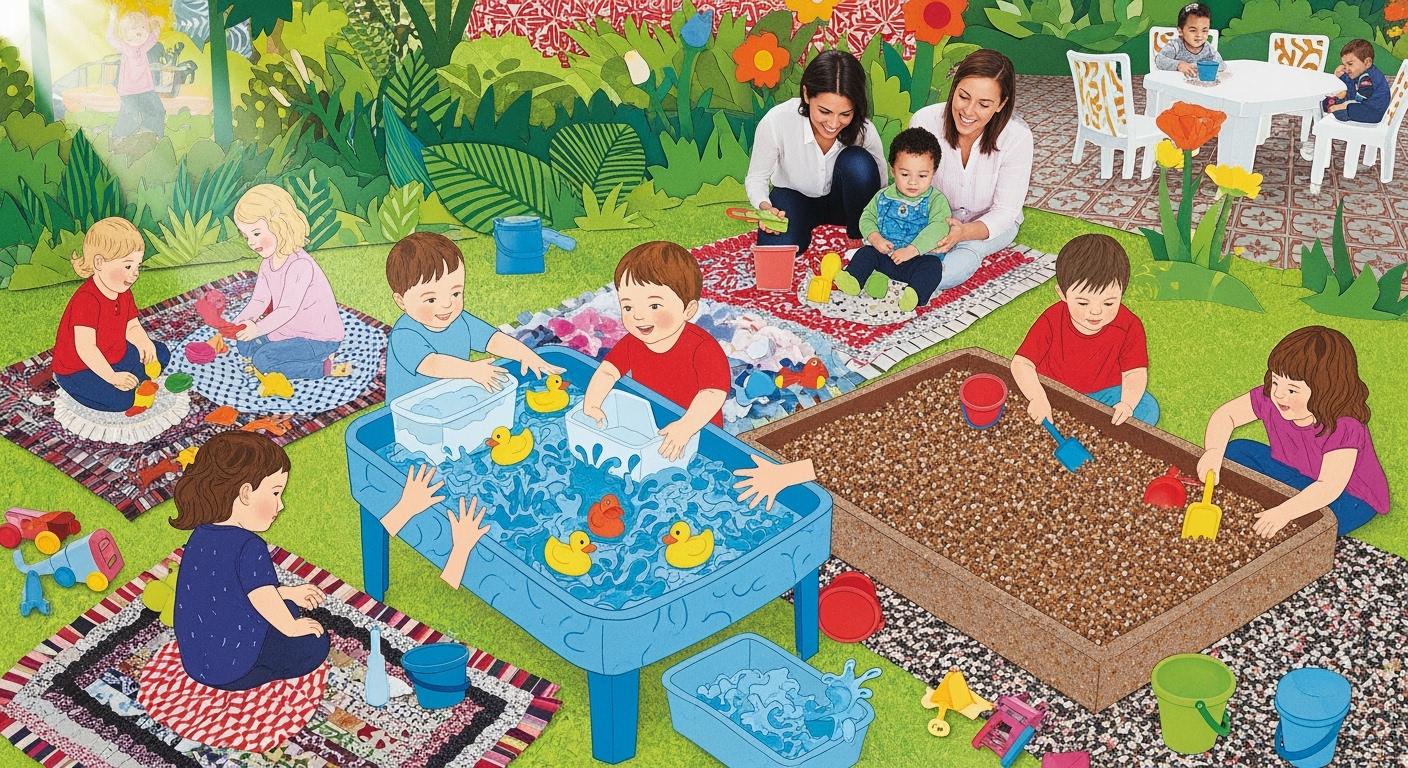
You can make outdoor sensory play simple, even if you feel short on time or supplies. Try water play with a few toys, scoop oats in a bin, or just explore nature with your child. Sensory play can feel fun and stress-free when you pick the right setup.
Key Takeaways
Outdoor sensory play makes your child happy and confident. It helps them explore and be creative.
Pick safe and simple things for sensory play. Use water bins, natural items, and safe toys.
Get ready for fast cleanup. Use tarps and mats you can wash. Show your child how to help clean up after playing.
Benefits of Outdoor Sensory Play
Why Outdoor Sensory Play Matters
You may ask why outdoor sensory play is important. Playing outside gives your child more than just fun. It helps your child grow in many ways. Look at this table to see how outdoor play helps your child:
Benefit Type | Description |
|---|---|
Cognitive and Academic | Helps your child think, learn STEM, and solve problems. |
Physical Health and Well-Being | Makes your child stronger, keeps them healthy, and lowers stress. |
Social and Emotional Growth | Teaches teamwork, risk-taking, and helps your child bounce back. |
Supporting Diverse Learners | Helps kids pay attention and process senses, especially with ADHD. |
Outdoor play helps your child focus and feel happier. Kids who play outside pay attention better and feel good. Your child may feel calm after being in nature.
Tip: Outdoor play lets your child move, explore, and use their senses. This play can help your child be creative and feel confident.
Easy Cleanup for Parents
You might worry about messes, but cleaning up outside is easy. Grass, patios, and sandboxes handle spills better than carpets. You can shake out blankets, hose tables, or let the sun dry water.
Here are reasons why cleaning up outside is easier:
Nature takes care of most messes.
You can rinse toys and surfaces with water.
You do not have to worry about stains.
With outdoor sensory play, you can relax more and watch your child learn and grow.
Setting Up Easy-to-Clean Sensory Play Outdoors
Choosing Materials for Outdoor Sensory Play
You want outdoor sensory play to be safe and easy. Pick things that are simple to clean outside. Choose items you can rinse or shake off. Avoid things that stain or stick. Try water bins, birdseed bins, large pompoms, muffin tins, tongs, and garden sensory bins. These give your child many ways to play and learn with nature.
Safety is very important. Check that all materials are right for your child’s age. Stay close when your child uses small items like pompoms or tongs. Here is a table to help you pick safe and easy-to-clean materials:
Safety Guideline | Description |
|---|---|
Age-appropriate materials | Use non-toxic materials that do not pose choking hazards, especially for toddlers. |
Allergy considerations | Be aware of allergies and avoid common allergens in edible sensory play. |
Constant supervision | Always supervise sensory play to facilitate learning and address safety issues. |
Clear clean-up protocols | Establish routines for cleanup and teach children to assist, ensuring hygiene and safety. |
Think about the environment too. Pick natural things like sticks, leaves, pine cones, and stones. These break down fast and are good for the earth. Try to use recycled or non-toxic products when you can. This keeps your child and the planet safe.
Nature Sensory Bin and Basket Ideas
Nature sensory bins and baskets bring the outdoors to your child. Collect natural things on a walk or scavenger hunt. Let your child pick up rocks, shells, bark, moss, or cinnamon sticks. These are great for a nature sensory bin or basket.
Here are some ideas for your next nature sensory bin or basket:
Sand, dirt, or soil
Rocks, stones, pebbles, and natural gemstones
Bird feathers, shells, and driftwood
Bare branches, sticks, twigs, and bark
Fresh or preserved leaves, moss, and flowers
Herbs, cinnamon sticks, pine cones, nuts, and seeds (like acorns or sweetgum balls)
Fruits and vegetables (remove them if they start to perish)
Turn a walk into a scavenger hunt. Ask your child to find things for their bin or basket. This makes outdoor sensory play feel like a game. Use muffin tins to sort and show off the treasures. Add tongs for more fine motor practice, but watch your child closely.
Want more ideas? Go on a scavenger hunt in your yard or park. Gather items and make a themed nature sensory bin. For example, make a “forest floor” bin with leaves, twigs, and pine cones. Or try a “beach day” basket with sand, shells, and driftwood. These activities help your child explore, play, and learn outside.
Water and Sand Table Setup
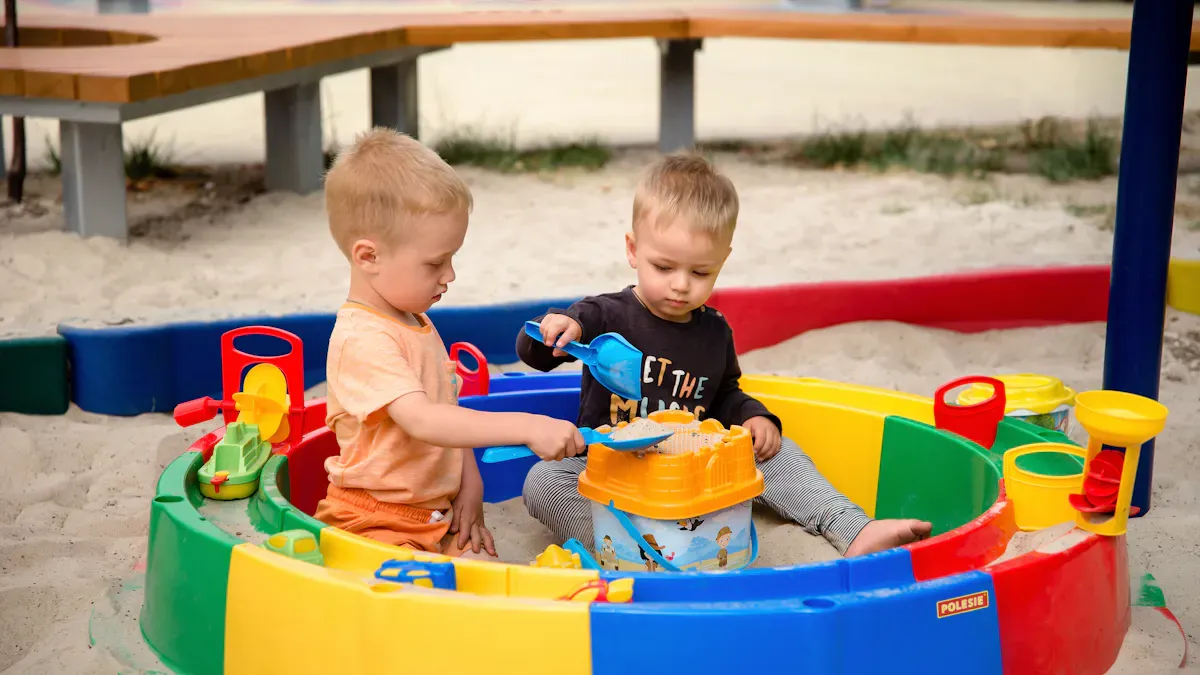
A water table or sand table is a classic outdoor play idea. You can make your own with a big clear bin or buy one. Put the table on flat ground outside. Use furniture and mats that can get wet and are easy to clean.
Here is how to set up your water or sand table:
Pick a shady spot near water.
Put a washable mat or tarp under the table.
Fill the table with water, sand, or both. Add scoops, cups, and watering cans.
Add food coloring for more fun.
Keep towels and a rinsing station nearby.
Store materials in waterproof containers. This keeps things neat and ready for next time. Change your cleanup routine for outdoor play. Use wet rags, a hose, or a bucket of warm water to clean up. For places kids touch a lot, use a gentle cleaner like Puracy Surface Cleaner or mild dish soap. A soft brush or microfiber cloth works well.
Here is a table with best practices for water and sand tables:
Best Practice | Description |
|---|---|
Outdoor-Friendly Furniture | Use weather-resistant furniture that is easy to clean, such as plastic tables and washable mats. |
Weather-Resistant Storage | Utilize waterproof containers to protect materials and keep them organized and accessible. |
Adapted Routines for Cleanup | Tailor cleanup routines for outdoor settings, including wet rags and rinsing stations. |
Always watch your child during water play. Stay close, especially with younger kids. Use bigger toys for toddlers so they do not choke.
Quick Cleanup Tips
Cleanup can be fast and easy if you plan ahead. Set up your play space before you start. Use tarps, shower curtains, or washable mats to protect the ground. Dress your child in play clothes or a smock.
Follow these steps for easy cleanup:
Set up your play space and gather materials first.
Put down coverings to protect the ground.
Make sure your child wears the right clothes.
Talk to families about allergies before using new things.
Offer different textures for your child to explore.
Use sensory bins to keep play contained.
Teach your child to help clean up. Use pictures if needed.
Rinse toys and surfaces with water or wipe with a damp cloth.
Take care of nature. Leave things as you found them and do not take too much from one place.
For cleaning, use mild dish soap, white vinegar, or baking soda with warm water. A garden hose can help rinse big items. Always check local health and safety rules, especially when using water.
Outdoor sensory play can be simple and fun. With a little planning, you can enjoy learning and playing outside with your child. Try a scavenger hunt, set up a nature sensory bin, or play at a water table. You will make memories and help your child grow, all while keeping cleanup easy.
You can make outdoor sensory play fun and simple with some planning. Try different ways to set up play and see what your family likes. Planning ahead helps everyone feel calm and happy.
Sensory play helps lower stress and makes kids feel good.
Playing outside can make kids feel happier and more confident.
Kids learn to control themselves better and act out less.
Benefit | Description |
|---|---|
Enhanced Motor Skills | Climbing on logs and stones helps kids move and balance. |
Social Interaction | Playing outside helps kids work together and talk to each other. |
Creativity | Loose parts let kids use their imagination and solve problems. |
Cognitive Development | Different textures help kids think and use their senses. |
Environmental Awareness | Wildlife gardens teach kids about nature and how things live together. |
Responsibility Skills | Taking care of plants helps kids learn to be responsible and care for nature. |
You can have easy, fun playtime and see your child learn new things. Planning ahead makes outdoor sensory play easy and enjoyable for everyone.
FAQ
What if my child puts sensory materials in their mouth?
Stay close and watch your child. Use large, non-toxic items. Skip small parts like beads or seeds for toddlers.
How do I clean up after messy outdoor play?
Use a hose or bucket of water. Shake out mats and rinse toys. Let the sun dry everything. Cleanup goes fast outside!
Can I do sensory play if I have a small yard or balcony?
Yes! Try a small bin or basket. Use a tray on a table. Even a tiny space works for outdoor sensory play.
See Also
Innovative Strategies to Promote Learning Through Sensory Mats
Utilizing Messy Play Trays for Engaging Sensory Experiences
Creating a Sensory Gym Tailored for Kids on the Spectrum
A Comprehensive Resource for Sensory Play in Early Education

