How to Create Simple Sensory Activities for Kindergarteners
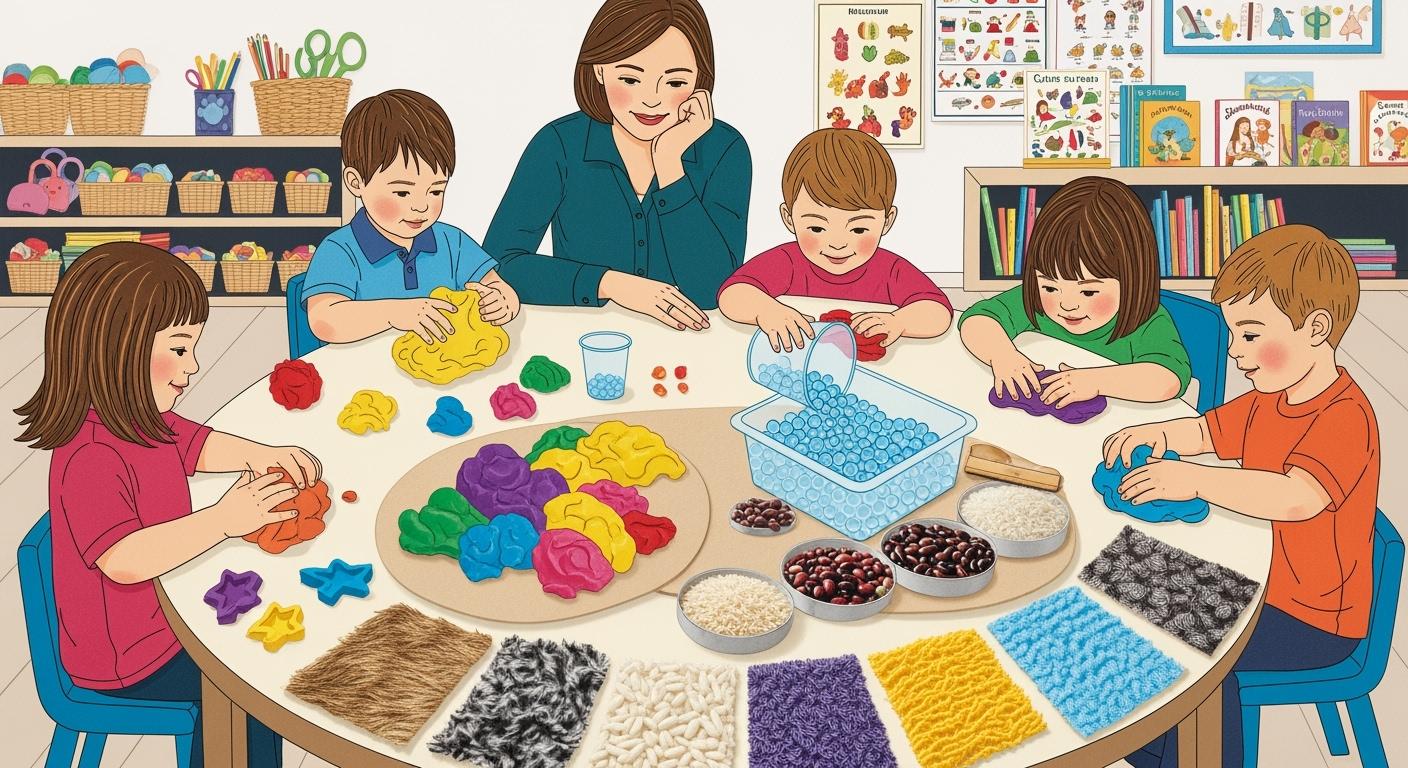
You can make sensory activities for kindergarteners very fast. These activities let your child use touch, sight, sound, smell, and taste. Studies show sensory activities help kids grow and learn. You can use things like rice, colored paper, or beans. Most sensory activities take 10 minutes or less to get ready. See the table below for some research facts.
Source | Findings |
|---|---|
Autism Research Journal | ASI is an evidence-based practice for kids with autism ages 4-12 years old. |
American Journal of Occupational Therapy | There is good proof for using ASI in a review. |
Korean Meta-Analysis | Sensory integration intervention worked well in 24 studies. |
Sensory activities for kindergarteners work with any schedule. You get useful ideas and easy ways to clean up. Sensory activities for kindergarteners make learning enjoyable.
Key Takeaways
Sensory activities help kids learn and grow. They use touch, sight, sound, smell, and taste.
You can make fun sensory activities fast. Use things like rice, beans, or colored paper. Most activities take less than 10 minutes to set up.
Visual activities like sorting colors and using a light table help hand-eye coordination. They also build logical thinking skills.
Tactile play, like making playdough or using sensory bins, helps fine motor skills. It also lets kids be creative.
Smell and taste activities let kids try new foods. These activities help them feel brave about new things.
Visual Sensory Activities for Kindergarteners
Visual sensory activities let kids use their eyes to learn. You can set up these activities fast. Use things you already have at home. These activities help with hand-eye coordination. They also help with logical thinking and early math skills. Here are some fun ideas you can try today.
Color Sorting
Get colored paper, buttons, or blocks for this activity. Ask your child to sort the items by color. This game helps your child learn to group things visually. It also builds logical thinking skills. Make it harder by adding more colors. You can also ask your child to sort by size or shape. If your child is younger, use just two colors. For older kids, add patterns or shades.
Tip: Use muffin tins or ice cube trays. These help keep colors apart and make cleanup easy.
Light Table Fun
A light table makes any day feel like a science adventure. If you do not have a light table, use a flashlight under a clear plastic bin. Add sensory materials like colored plastic shapes, tissue paper, or leaves. Your child can see how light goes through different objects. This activity helps with art and science skills. Try using new surfaces or objects to keep it interesting.
Light tables help kids explore with their eyes. They build knowledge through hands-on sensory play.
DIY Kaleidoscope
Make a simple kaleidoscope with a cardboard tube, shiny paper, and beads. Tape one end with clear plastic. Add beads and cover the other end. When your child looks through the tube and turns it, they see new patterns and colors. This activity gives your child new sensory experiences. It also helps with visual tracking skills.
Activity | Adaptation | Description |
|---|---|---|
Kaleidoscope | N/A | Shows changing patterns for visual stimulation. |
Sensory Bottle | Use calming objects | Watching glitter and beads move helps kids focus and calm down. |
Coloring Books | Use high contrast designs | Bright colors and designs give better visual input. |
You can use glitter, beads, or small toys in a DIY sensory bottle. Watching objects move in the liquid can help your child feel calm and focus.
Visual sensory activities give kids important experiences. These activities help the brain organize information. They build strong pathways for future learning.
Tactile DIY Sensory Activities
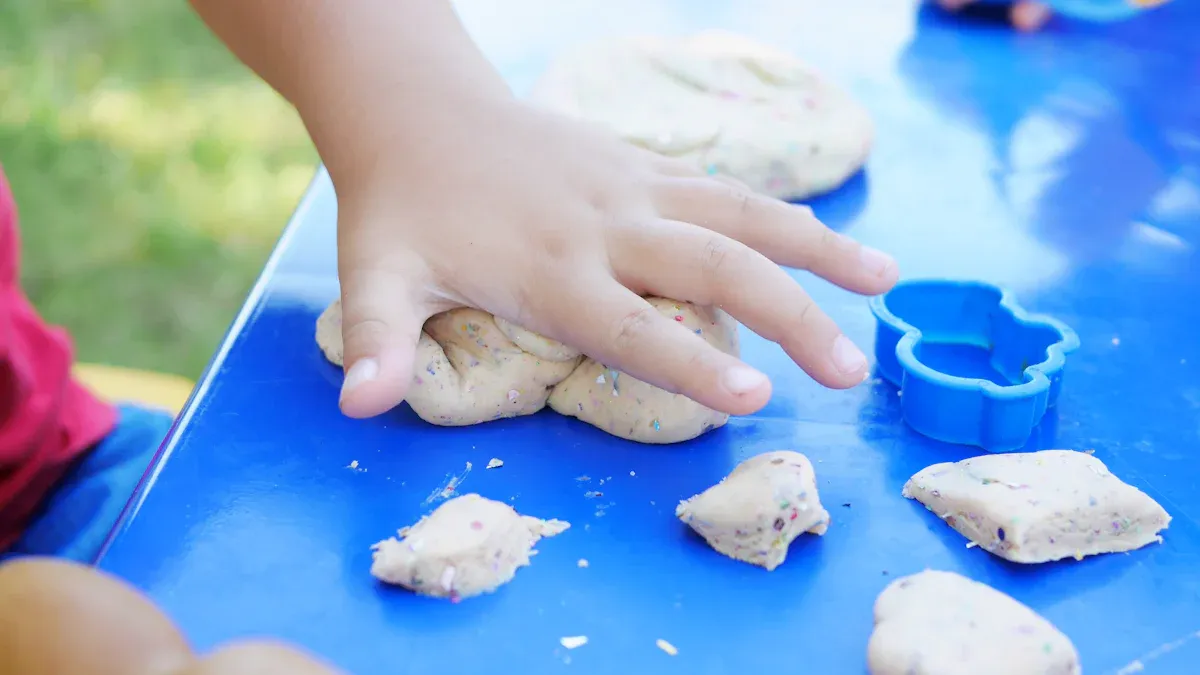
Tactile play helps your child learn by touching things. You can set up these activities in a few minutes. Use items you already have at home. These hands-on activities help build fine motor skills. They also boost creativity and teach about textures.
Homemade Playdough
You do not need special supplies for playdough. Mix flour, salt, water, and oil in a bowl. Add food coloring to make it more fun. Knead the dough until it feels soft. Your child can squish, roll, and shape the dough.
Playdough helps your child use their fingers and hands. It builds finger strength and hand coordination.
You can add scents or glitter for extra fun.
Try cookie cutters, plastic knives, or rolling pins as tools.
Tip: Keep homemade playdough in a sealed container. This keeps it fresh for weeks.
Sensory Bins with Rice or Beans
Sensory bins are popular in homes and classrooms. Fill a plastic tub with dry rice or beans. Add scoops, cups, and small toys. Let your child dig, pour, and find hidden objects. Change the theme by adding new items or colors.
Base Material Used | |
|---|---|
Colored Hay Sensory Bin | Colored hay |
Dyed Water Swamp Sensory Bin | Colored water |
Snow Dough Arctic Circle Sensory Bin | Snow dough |
Letter Sensory Bin | Letters |
Dirt Monster Truck Sensory Bin | Dirt |
Split Pea Sensory Bin | Split peas |
Sand Dough Beach Sensory Bin | Sand |
Purple Waterbead Sensory Bin | Water beads |
Jello Iceberg Sensory Bin | Jello |
You can make themed sensory bins for any season. Use white beans and red pom-poms for Valentine’s Day. Try sand and seashells for a beach bin. These activities help your child use both hands. This improves coordination and stability.
Sensory bins let your child pour, scoop, and mix. These actions help build fine motor skills and hand awareness.
Kids love to feel different textures, like smooth beans or squishy water beads.
Note: Always watch your child during sensory play. Use safe materials and check for allergies first.
Texture Collage
A texture collage is a fun way to explore touch. Gather fabric scraps, foil, sandpaper, cotton balls, and buttons. Give your child cardboard and glue. Let them stick the items on the board to make a collage.
Your child learns about rough, smooth, bumpy, and soft textures.
This activity builds hand strength and sparks creativity.
Talk about each material and ask how it feels.
Safety Guideline | Description |
|---|---|
Age-appropriate materials | Use safe materials for your child's age. |
Constant supervision | Always watch your child to prevent accidents. |
Awareness of allergies | Check for allergies before using food or natural materials. |
Proper cleaning protocols | Clean and sanitize items often to keep play safe. |
Tactile diy sensory activities do more than entertain. They help your child build skills for writing and drawing. You help your child learn by touch, which makes lessons stick.
Sensory play uses many senses and helps practice hand grips.
Mixing, pouring, and feeling new textures connect movement with sight.
Try new sensory materials each week to keep things fun!
Auditory Sensory Activities for Kindergarteners
Auditory sensory activities let your child learn about sound. You can use things from home to set up these activities. Playing with sound helps your child listen and pay attention. These activities help your child with language and memory skills. They also help your child focus better.
DIY Shakers
You can make shakers with empty bottles or plastic eggs. Fill them with rice, beans, or beads. Tape the lids so nothing spills out. Let your child shake each one and hear the sounds. Try using different shapes and sizes for the containers. This helps your child hear loud and soft sounds. You can also make a bell parade or a kazoo hunt for more fun.
Tip: Ask your child to guess what is inside each shaker by listening. This game helps your child match sounds and pay attention.
Listening Walks
Take your child outside for a walk to listen. Walk slowly and stop often to hear new sounds. Ask your child, “What do you hear?” You might hear birds, cars, or leaves moving. Record some sounds and play them back later. Try to name each sound and where it comes from. These walks help your child focus on important sounds. They also help your child feel calm and learn social skills.
Use headphones or earplugs if your child feels too much noise.
Try nature sounds apps or white noise machines for more options.
Sound Matching
Sound matching games are simple to do. Fill small containers with coins, buttons, or paper clips. Shake each one and ask your child to match the sounds. You can play Sound Bingo or a Sound Scavenger Hunt. These games help your child notice patterns in words and say them better.
Best Practice | Description |
|---|---|
Watch for signs like covering ears or running away. Stop or change the activity if needed. | |
Use Movement Breaks | Let your child jump or rock to calm down during play. |
Choose Quieter Options | Use foam blocks instead of wooden ones to lower noise. |
Engage in Sound Games | Play Sound Bingo or scavenger hunts for fun and learning. |
Music activities help your child remember words and sounds. Singing and rhythm games make learning new words easier. Sensory play with sound gives your child new ways to learn and grow.
Smell and Taste Sensory Play
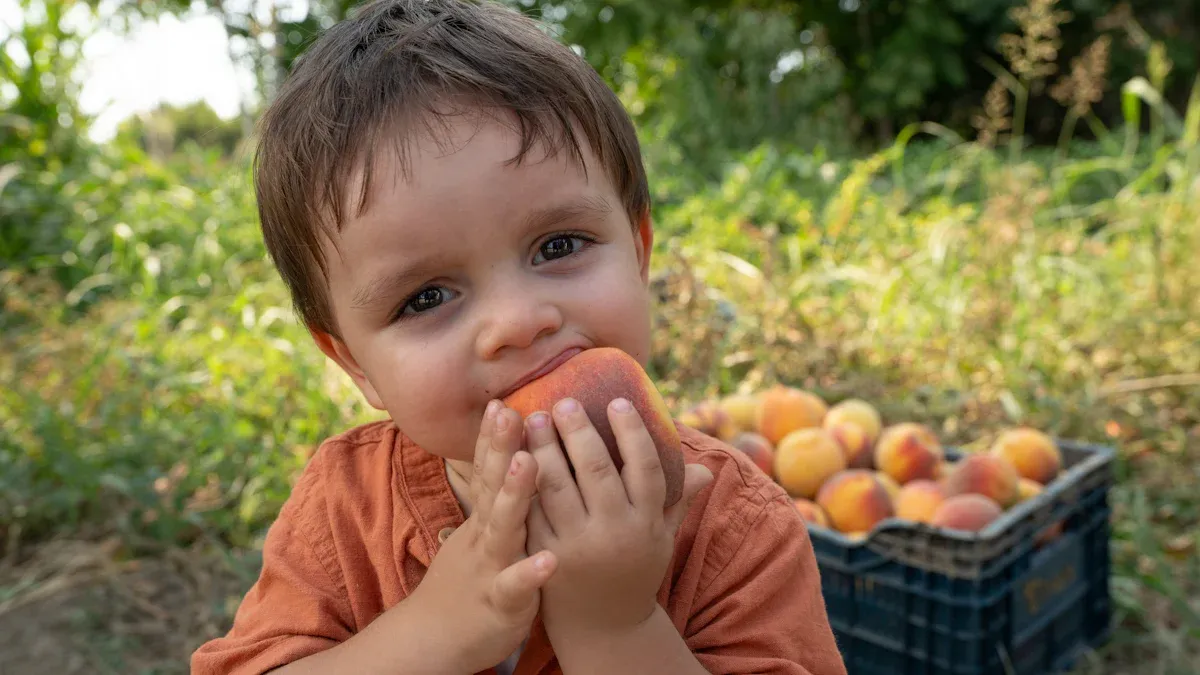
Exploring smell and taste can turn any day into a fun adventure for your kindergartener. You can set up these activities in just a few minutes, using things you probably have in your kitchen or garden. Smell and taste play helps your child get comfortable with new foods and builds important sensory skills. Kids who explore with their senses often feel more confident trying new things.
Here’s what research says about sensory play with smell and taste:
Study Focus | Findings |
|---|---|
Sensory Exploratory Behaviors | Children exposed to sensory properties of foods (appearance, texture, aroma) were more likely to try new foods. |
Age Group | Toddlers (12-36 months) engaged more with unfamiliar foods after sensory activities. |
Comparison | Preschoolers in sensory play tasks with fruits and vegetables tasted more than those in non-food tasks. |
You can boost your child’s learning by combining touch, taste, and smell. This hands-on approach helps your child think in new ways and sort information better.
Scented Playdough
Make playdough even more exciting by adding scents. Try mixing in vanilla extract, lemon zest, or a sprinkle of cinnamon. Your child can squish, roll, and sniff the dough. This activity helps your child connect smells with memories and words. Scented playdough also supports sensory integration, especially for kids who need extra help with processing smells and tastes.
Tip: Store scented playdough in airtight containers to keep the smells fresh.
Smell Jars
Fill small jars or containers with safe, strong-smelling items. Good choices include mint leaves, lavender, orange peels, or dry tea bags. Let your child guess each scent with their eyes closed. Smell jars encourage curiosity and help your child learn to describe what they notice. The sense of smell links closely to memory, so these activities can make learning stick.
Safe ingredients for smell jars include: lemon, mint, lavender, vanilla, hot chocolate mix, and grated soap.
Simple Taste Tests
Set up a taste test with small bites of fruit, cheese, or cereal. Ask your child to describe each flavor—sweet, sour, salty, or bitter. You can use chocolate cereal, orange slices, or even a tiny bit of cinnamon toast. Taste tests help your child feel brave about trying new foods and teach them to talk about what they like.
Note: Always check for allergies before starting. Wash hands before and after tasting. Read labels and keep snacks simple and safe.
Safety First!
Choose snacks like fresh fruits and veggies.
Read labels for hidden allergens.
Teach your child not to share food.
Wash hands before and after.
Know where emergency medications are.
Smell and taste sensory play gives your child a chance to explore, learn, and have fun—all at the same time!
Multi-Sensory Play and Practical Tips
Sensory Obstacle Course
You can make a sensory obstacle course very quickly. Use pillows, chairs, and blankets to build tunnels and paths. Add spots where kids jump, crawl, or balance. Put in easy tasks like stringing beads or pouring rice. These activities give kids many sensory experiences at once. They use touch, movement, and sound together. Obstacle courses help kids know their bodies better. They also help with planning how to move. You can change the course for any child. Try adding a swing for more movement or a taste test for extra fun.
Sensory Type | Activity Description |
|---|---|
Proprioceptive | Crawling under tables or carrying weighted objects for body awareness |
Vestibular | Using a small indoor swing or rolling on a yoga ball |
Tactile | Walking barefoot on different textures like towels or bubble wrap |
Creating a Sensory Table or Area
A sensory table or corner gives kids a special place to play. You do not need a lot of space. Start with a small bin or tray on a low table. Let your child help choose the tools and materials. Soft lights make the area calm and nice. Offer many textures like sand, water, or fabric pieces. Add quiet spots with pillows or headphones for breaks.
Tip: Let your child help set up the area. This makes them feel happy and ready to explore.
Sensory Tool | Benefit for Students |
|---|---|
Reduces distractions and helps kids focus | |
Weighted blankets or lap pads | Calms and grounds children during sensory play |
Soft lighting | Creates a soothing space for sensory experiences |
Adapting and Managing Mess
You can keep sensory play easy and clean with some tricks. Use fillers like pompoms or crumpled paper for less mess. Put a small bin inside a big one to catch spills. Lay a shower curtain or old sheet under the play area. Move messy play outside if you can. Always have washcloths and water close for fast clean-up. Ask your child to help clean up. This teaches them to be responsible and keeps things neat.
Note: Use only a thin layer of sensory material. This makes cleaning up faster and easier.
Sensory play helps kids be creative and use their hands better. Kids learn to solve problems and remember steps. They also use their hands in new ways. See the table below for more benefits:
Benefit | Description |
|---|---|
Activities like playdough and stringing beads build small muscle control | |
Dexterity | Pouring sand or water improves hand-eye coordination and finger strength |
Creativity | Sensory play sparks critical thinking and memory for future learning |
You can change sensory play for every child. Try musical instruments for sound, scent jars for smell, or taste tests for flavor. Sensory play brings happiness, learning, and new ideas every day.
Including sensory play in your daily routine helps your child a lot. Sensory play makes kids more creative and helps them learn new skills. It also helps children handle their feelings better. Here are some long-term benefits:
Developmental Aspect | Benefits |
|---|---|
Cognitive Skills | Better problem-solving and language |
Motor Skills | Stronger hands and coordination |
Emotional Regulation | Calmer moods and more confidence |
Social Skills | Teamwork and sharing |
You do not need special supplies for sensory play. You can use things you already have at home. Try to do sensory play every day. Wash the car together, blow bubbles, or set up a simple obstacle course. Sensory play works for all families and any budget. You help your child learn, grow, and have fun. Make sensory play your favorite way to enjoy easy learning!
FAQ
What if my child does not like getting messy?
You can use dry materials like pom-poms, pasta, or fabric scraps. Try water play with a towel nearby. Let your child watch first. Some kids need time to feel comfortable.
How do I clean up sensory activities quickly?
Lay a plastic tablecloth or old sheet under the play area. Use bins with lids for fast storage. Ask your child to help clean up. Keep wipes or a small broom nearby.
Can I do sensory play with more than one child?
Yes! Give each child their own space and tools. Set clear rules for sharing. Use larger bins or trays if needed. Group activities can build teamwork and social skills.
What if my child puts things in their mouth?
Choose only edible or taste-safe materials. Supervise closely. Avoid small items that could cause choking. You can use cooked pasta, cereal, or yogurt for safe sensory play.
How often should I do sensory activities?
Try to include sensory play every day. Even five minutes helps. You can switch activities often. Sensory play fits into busy schedules and helps your child learn in fun ways.
See Also
10 Engaging Sensory Experiences for Young Learners
Crafting Exciting Holiday Sensory Experiences for Students
A Comprehensive Resource for Sensory Play Strategies
