Simple Gross Motor Activities Every Kid Will Love
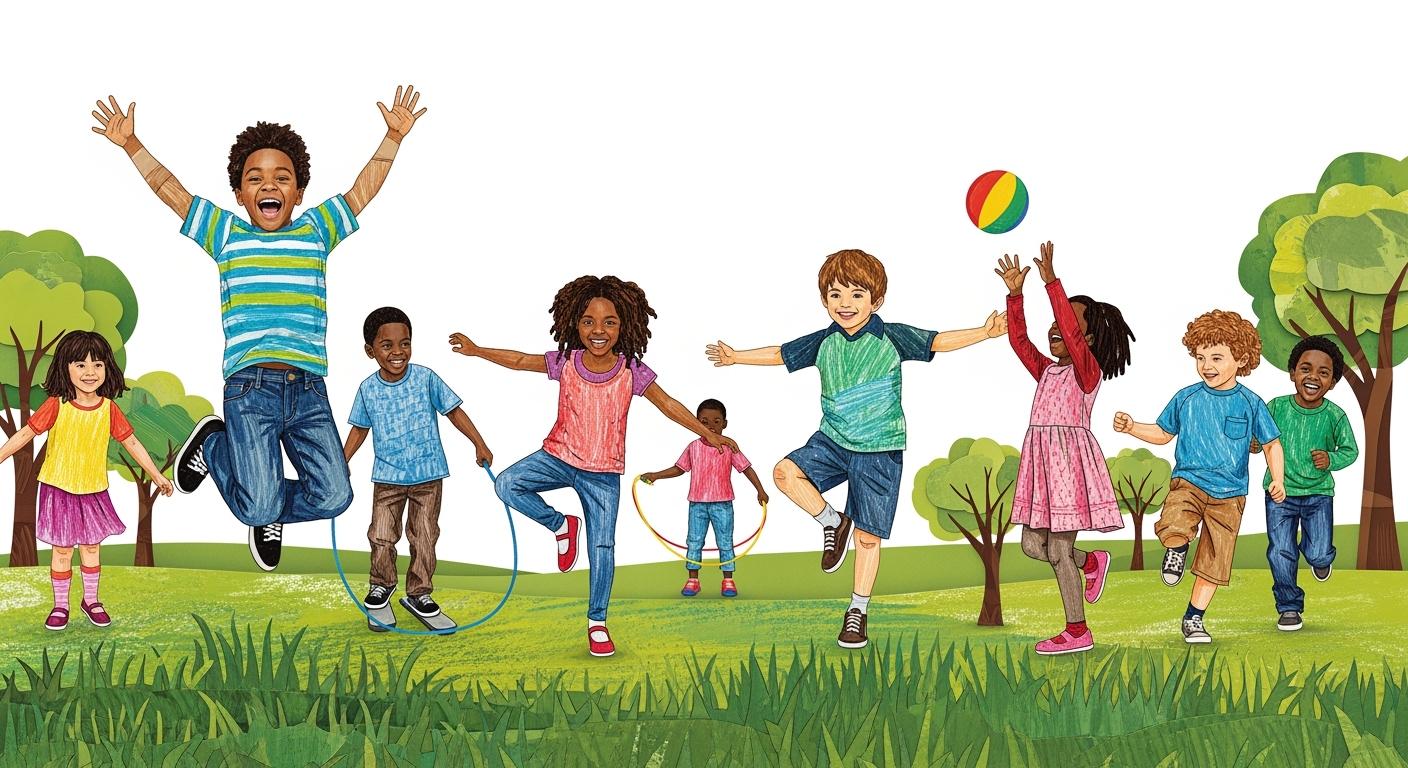
You want your kids to be active and have fun. These activities help them feel good about themselves. Gross motor activities let children feel proud when they jump or climb. These moments help them grow and become more independent. You can add play to your day easily. You can use indoor ideas for busy weeks. You can also use quick movement breaks.
Key Takeaways
Let your kids take charge during playtime. This helps them feel confident and independent.
Add short movement breaks during the day. Quick activities help kids pay attention and stay healthy.
Use things you have at home for indoor fun. Items like pillows or painter's tape can make cool challenges.
Why Gross Motor Activities Matter
Confidence and Independence
You want your kids to feel proud of what they can do. When you encourage gross motor activities, you help them build confidence and independence. Every time your children master a new skill—like hopping on one foot or climbing stairs—they feel a sense of achievement. This boost in self-esteem makes them eager to try new things. If your kids struggle with physical tasks, they might feel frustrated. But as their gross motor skills improve, you’ll notice them becoming more willing to join in and play.
Tip: Let your kids lead the way during play. When they choose the activity, they feel more in control and independent.
You’ll see these changes in daily life, too. Strong gross motor skills help your children dress themselves, carry their backpack, and move around with confidence. These small wins add up and support early childhood development.
Healthy Growth for Kids
Gross motor activities do more than just keep your kids busy. They support healthy growth and early childhood development in many ways. Take a look at how these activities help:
Benefit | Description |
|---|---|
Physical Strength | Builds muscle and improves posture. |
Coordination | Sharpens hand-eye coordination and body awareness. |
Emotional Balance | Helps your kids manage feelings and stay calm. |
Social Confidence | Makes it easier to join group play and make friends. |
Academic Success | Leads to better focus and learning in school. |
Independence | Boosts self-esteem by helping with daily tasks. |
When your kids move, jump, and climb, they build strong gross motor skills. These skills are key for early childhood development. Regular movement also helps with brain growth and sets the stage for lifelong health. You don’t need fancy equipment—indoor activities and outdoor play both work. Just keep it fun and let your kids explore!
Indoor Gross Motor Activities
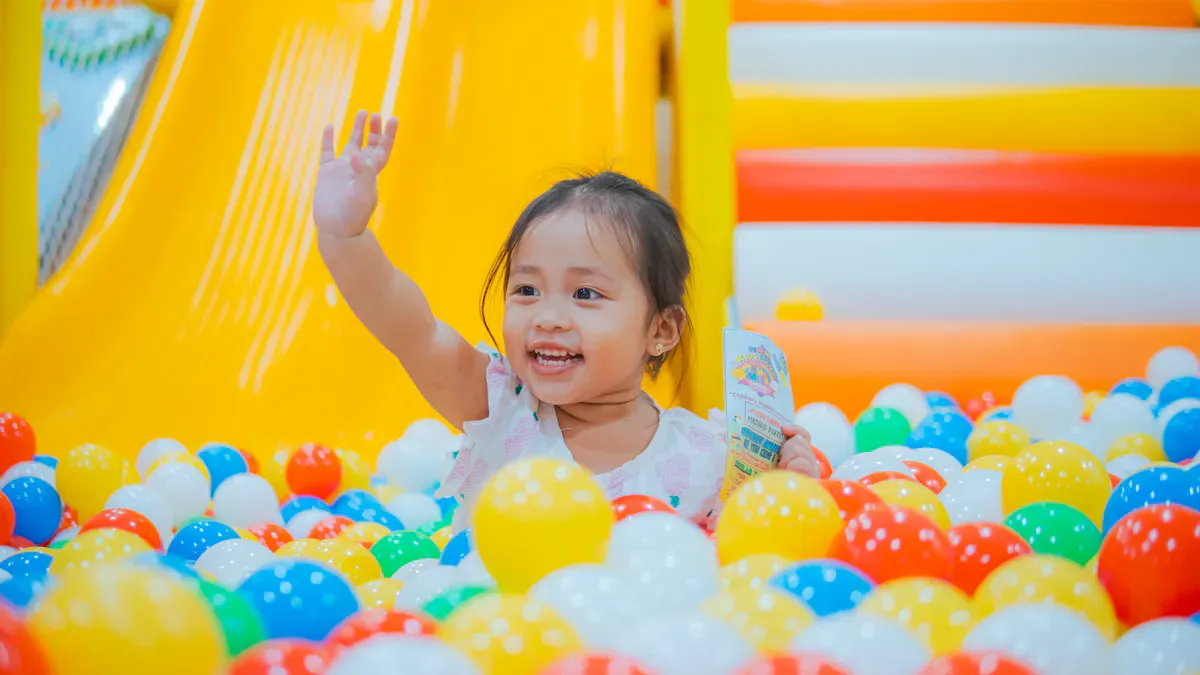
You don’t need a gym or fancy equipment to get your kids moving. Indoor gross motor activities turn your living room into a playground. These activities use things you already have at home. You can adapt them for small spaces or different ages. Let’s look at some favorites that make indoor play exciting and help with gross motor skills development.
Painter’s Tape Games
Painter’s tape is a game-changer for indoor gross motor activities. You can stick it on the floor to create lines, shapes, or even a hopscotch grid. Kids love to jump, balance, and follow the paths you design. Try making a zigzag road or a balance beam. You can also set up a “Tape Olympics” with different challenges like hopping, tiptoeing, or walking backward.
Tip: Use bright colors to make the tape stand out. Let your children help design the course for extra fun.
If you have a small space, lay down short lines or shapes. Younger kids can practice simple jumps, while older children can try more complex patterns. These indoor activities boost coordination and keep everyone active.
Pillow Obstacle Course
Pillow obstacle courses are a classic for indoor gross motor activities. Grab pillows, cushions, and blankets to build a safe circuit. Kids can walk, crawl, or jump from one pillow to another. This activity improves balance and coordination. When children move across soft surfaces, they get proprioceptive input, which helps with body awareness and motor planning.
Walk on pillows to test balance.
Crawl through a tunnel made from chairs and blankets.
Step over or around obstacles for a new challenge.
If your space is small, use fewer pillows and keep the course tight. For older kids, add tasks like carrying a stuffed animal or hopping on one foot. These indoor activities support gross motor skills and make movement part of your day.
Adaptation for Small Spaces | |
|---|---|
Obstacle Course | Use pillows, cushions, chairs, and blankets to create a circuit in the living room. |
Balance Beam | Create a visible line on the floor using painter’s tape or masking tape. |
Play Tunnel | Transform a large cardboard box into a tunnel for crawling and exploration. |
Indoor Snowball Fight
Bring winter fun inside with an indoor snowball fight. Use soft items like balled-up socks or plush toys. This is one of the most popular indoor gross motor activities for kids under age 10. Children can throw, dodge, and run around safely. You can set up teams or play one-on-one.
Note: Clear breakables out of the way before you start. Set boundaries to keep the play safe.
This activity works well in small spaces. Use a hallway or a corner of the living room. For younger children, focus on gentle tossing. Older kids can try aiming at targets or playing timed rounds. Indoor snowball fights help with gross motor skills and give everyone a chance to laugh and move.
Animal Walks
Animal walks are a hit for indoor gross motor activities. Kids love pretending to be animals. You can call out different walks and watch them move across the room. Try crab walks, frog jumps, or turtle crawls. These movements strengthen core muscles and improve coordination.
Crab Walk: Sit down, lift your hips, and walk on hands and feet.
Turtle Crawl: Get into a pushup position and move side to side.
Frog Jump: Squat down and leap forward.
You can race across the room or set up a course. In small spaces, have kids walk back and forth or around furniture. Animal walks support gross motor skills development and keep indoor activities fresh and fun.
Balloon Volleyball
Balloon volleyball is perfect for indoor gross motor activities. Blow up a balloon and use your hands to keep it off the ground. You can play over a couch, a string, or just in open space. This game encourages hand-eye coordination and arm strength. Kids learn to track the balloon and react quickly.
Balloon volleyball works in any room. For small spaces, use a single balloon and set a limit on how many hits before it touches the ground. Younger children can play sitting down, while older kids can stand or jump. This indoor activity brings lots of laughs and helps with gross motor skills.
Try keeping score or playing music for extra excitement.
Indoor gross motor activities make movement easy and enjoyable. You can use these ideas on rainy days, after school, or anytime your kids need to burn energy. Each activity supports development and brings more play into your home.
Outdoor Kids Activities
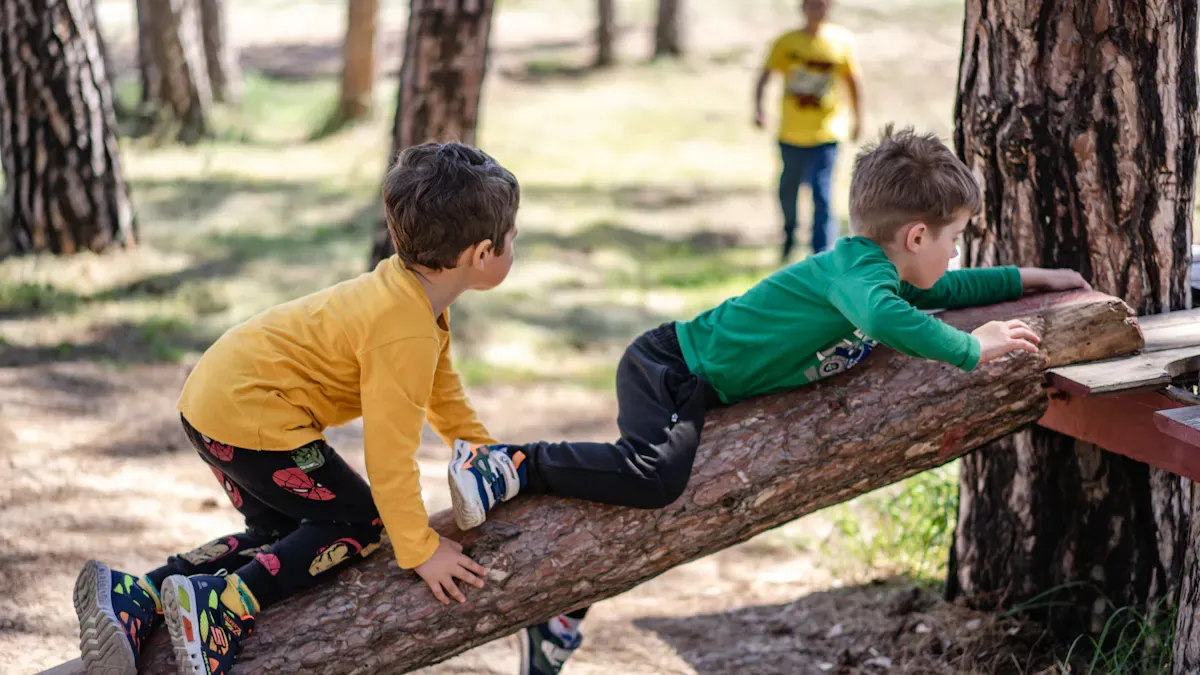
Going outside lets your kids move and have fun. They can explore new places and play games. Outdoor play helps kids build gross motor skills. It also boosts their confidence and helps them make friends. You can try these activities in your backyard, at the park, or on the sidewalk. Let’s see some easy ways to add outdoor activities to your daily routine.
Hopscotch and Chalk Games
Hopscotch is a classic game that kids always enjoy. You only need chalk and a flat spot. Draw numbered squares on the ground. Show your kids how to hop from one square to another. This game helps kids learn numbers and follow rules. Jumping builds balance, coordination, and spatial awareness.
Chalk games are more than just hopscotch. You can make obstacle courses or draw shapes to jump between. Try making a treasure map with chalk. These games help kids solve problems and think creatively. Children use their eyes, ears, and bodies as they play. They see numbers, say them, and move in rhythm. This movement helps both their bodies and brains grow.
Tip: If you live in a city, play chalk games on the sidewalk or in a safe courtyard. You can also go to parks for more space.
Hula Hooping
Hula hooping adds energy and laughter to outdoor play. Kids love spinning the hoop around their waist, arms, or legs. This activity makes their core muscles stronger and improves coordination. You can have contests to see who spins the hoop the longest. Try new tricks together for extra fun.
Hula hoops work well in small yards, driveways, or playgrounds. Kids can practice alone or play with friends. Hula hooping helps gross motor skills and keeps everyone active.
Simon Says
Simon Says is a fun game for groups. You can play it almost anywhere outside. One person gives commands, and others follow only if they hear “Simon Says.” This game teaches kids to listen and pay attention. They also learn to move quickly.
Simon Says builds social skills, too. Kids learn to take turns and share. They work together and practice winning and losing. This helps them handle emotions and bounce back from mistakes. Outdoor play makes the game more exciting. Kids get space to jump, run, and stretch.
Encourages teamwork and cooperation
Boosts communication skills
Helps kids solve conflicts and see different views
Monkey Bars and Climbing
Monkey bars and climbing structures help kids get strong and confident. You can find them at parks or playgrounds. Kids use their arms, shoulders, and core muscles to swing from bar to bar. Climbing builds balance, coordination, and motor planning.
Here’s how monkey bars help kids grow:
Benefit | Description |
|---|---|
Grip Strength | Hanging from bars works grip and forearm muscles. |
Muscle Activation | Pulling up uses biceps and shoulders. |
Core Engagement | Using the core keeps the body steady and balanced. |
Climbing teaches kids to take risks and solve problems. They learn to trust their bodies and try new things. Outdoor play on monkey bars builds gross motor skills and endurance.
Ball Play
Ball play gives many choices for outdoor fun. Kids can kick, throw, catch, or roll a ball almost anywhere. Try games like soccer, catch, or “Watch Your Back Tag.” These games help kids build coordination, timing, and teamwork.
Here are some ball games and what they teach:
Game | Skills Developed |
|---|---|
Watch Your Back Tag | Resilience, confidence, engagement after mistakes |
Double Dutch | Awareness of others, timing, coordination, flexibility in roles |
Ball play gets kids moving in different ways. They run, jump, and change direction. These movements help gross motor skills and make outdoor play exciting.
Note: You don’t need special equipment. Use any ball you have at home or go to a park for more space.
Outdoor kids activities let your children explore, learn, and grow. You can use these ideas in parks, backyards, or sidewalks. If you live in a city, try nature scavenger hunts or join a community garden. Outdoor play helps kids build confidence, make friends, and enjoy healthy movement every day.
Making Play Part of Every Day
Quick Movement Breaks
You can add movement with short breaks. Kids need 60 minutes of activity daily. You do not need to do it all at once. Small bursts of exercise help kids focus and stay healthy. Try animal walks, jumping jacks, or quick dances. Turn screen breaks into chances to move. These activities boost gross motor skills and keep kids energized.
Tip: Set a timer every hour. Remind your family to get up and move.
Family Play Challenges
Family play challenges make gross motor activities fun for everyone. Try a new challenge each week. These games help kids build skills and grow. Here are some ideas you can do together:
Activity Type | Description |
|---|---|
Play tag, hopscotch, or freeze dance for running and balance. | |
Obstacle Courses | Use cones or hoops in the yard for crawling and jumping. |
Relay Races | Carry objects or race to boost coordination. |
Playground Equipment | Climb, swing, or slide to use large muscle groups. |
Indoor Obstacle Courses | Use cushions and chairs for jumping and balancing. |
Movement Games | Try Simon Says or animal walks for listening and action. |
Dance Challenges | Copy dance moves for rhythm and fun. |
Ball Games | Throw or catch softballs to improve hand-eye coordination. |
Adapting Activities for Any Space
You can make play work in any home. Move furniture to open up space. Use rugs or mats for safe landings. Try tape lines for balance paths. Make tunnels with blankets and chairs. Keep balls, cushions, and beanbags nearby for quick activities. Always check the floor for safety. These changes help kids practice gross motor skills and stay healthy, even in small apartments.
Benefits of Gross Motor Play
Physical Health
Gross motor activities help your kids get stronger. These activities are important for healthy growth in preschool years. Kids move and play, which helps them stay healthy for life. Jumping, running, and climbing make their heart, lungs, and muscles stronger. You will notice their bones get stronger and their bodies become more flexible. Moving every day helps their core, legs, and arms. It also helps them stand up straight and feel good.
Builds muscle and helps kids grow strong
Makes heart and lungs work better
Helps kids stretch and stand tall
Starts healthy habits that last a lifetime
Active play keeps your kids happy and full of energy.
Social Skills
Gross motor play helps your kids in other ways too. Playing outside with friends teaches them to wait their turn and use social language. These times help your kids feel confident and make new friends. Group play lets kids practice sharing and listening. They learn to solve problems and work together.
Helps kids take turns and work as a team
Teaches how to talk and listen to others
Makes kids feel good in groups
Family Bonding
Playing together makes family time special. When you join your kids in gross motor activities, you make memories and grow closer. Family games and movement challenges bring everyone together. You laugh, cheer, and help each other. These moments show your kids they are loved and important.
Benefit | How It Helps Your Family |
|---|---|
Shared Play | Builds trust and brings you closer |
Teamwork | Teaches support and encouragement |
Joyful Moments | Makes memories that last |
Gross motor skills help your kids grow in many ways. You help them stay healthy, feel confident, and connect with others when you add movement to your daily routine.
You can add gross motor activities to your day with easy changes. Try these ideas with your kids:
Make obstacle courses.
Ride scooters or bikes.
Play Simon Says.
Have ball games.
Keep a ball nearby. Make an active area at home. Turn chores into games. Adding movement helps your kids build gross motor skills and confidence. Kids get better at making friends, moving, and thinking. Small changes can make a big difference. Make play fun for your family every day!
Long-term Outcome | Description |
|---|---|
Gross motor development in early childhood predicts cognitive performance in later childhood. | |
Social Adaptability | High levels of gross motor ability enhance social adaptability and psychological health. |
Fundamental Movement Skills | Early motor skills support the learning of specialized sports skills and promote lifelong activity. |
FAQ
How often should my child do gross motor activities?
You can aim for at least 60 minutes of active play each day. Short bursts work well. Let your child move whenever possible.
What if I have limited space at home?
Try moving furniture or using painter’s tape for small games. Even a hallway or a cleared corner can become a fun play zone.
Can older kids enjoy these activities too?
Absolutely! You can add challenges, keep score, or invite friends. Older kids love obstacle courses, ball games, and family competitions.
See Also
Comprehensive Insights on Top Gross Motor Skill Toys
An Extensive Overview of Montessori Toys for Motor Skills
Ten Engaging Sensory Experiences for Preschool Learning
Best Ten Clean Sensory Activities for Nurseries This Year
The Role of Sensory Toys in Enhancing Motor Skills for Autistic Children

