15 Easy and Fun STEM Ideas for Preschool Classrooms
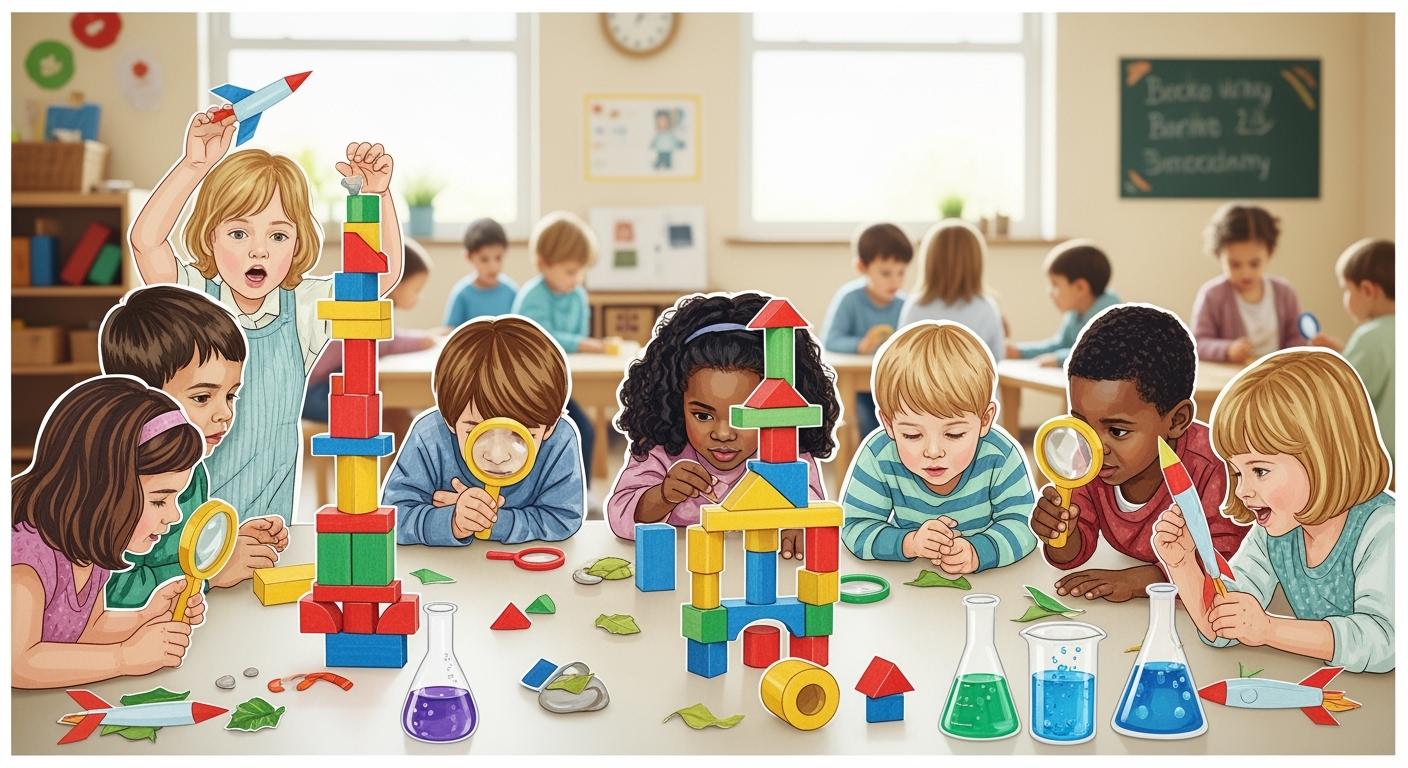
You want easy STEM ideas for preschool that make kids excited and curious. When you use hands-on learning and play-based STEM activities, you help students build strong math and science skills. Most preschool classrooms already support STEM education. About 95% offer time for math, and almost 97% include science learning. With playful learning and hands-on experiments, students learn problem-solving, creativity, and confidence. You can find STEM activities for preschoolers indoors and outdoors that keep students interested. Teachers like how these fun STEM activities fit into any preschool STEM plan. They use STEM resources like Anatomy Model Toy, Math Link Cubes, Plant Maze Science Kit, Solar System Teaching Aids, and Insert Viewer Box. Play and STEM challenges work together, making STEM preschool activities fun for everyone. Try interactive STEM activities and fun STEM activities that help students work together and learn early. Simple STEM activities give every student a chance to do well.
Key Takeaways
Hands-on STEM activities make preschoolers curious and excited. These activities help them learn math and science skills.
Engineering challenges like building block towers and stacking cups teach teamwork. They also help students solve problems and be creative.
Simple science experiments, like sink or float and mixing colors, help students ask questions. They let students explore science ideas in a fun way.
Outdoor STEM activities, such as nature scavenger hunts and planting seeds, help students connect with nature. These activities improve how students observe things.
Using technology and coding with story sequencing cards and floor tape mazes helps students think logically. These activities also help young learners be creative.
Engineering Challenges
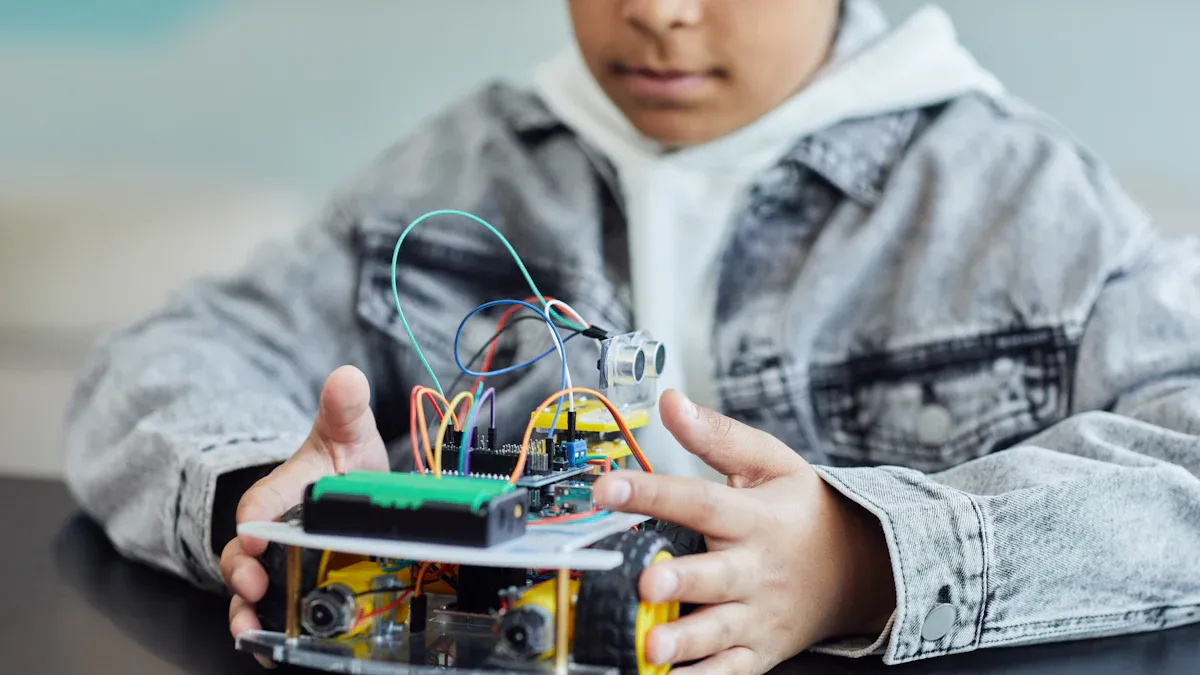
Engineering challenges make your classroom exciting and full of discovery. Students get to build, test, and solve problems with things you use every day. These preschool stem activities help students get curious and learn skills they will use later in life. You can do these stem activities inside or outside, and they fit into any classroom schedule. Let’s look at some favorite stem activities for preschoolers that use teamwork and hands-on learning.
Tip: Pick open-ended materials for these stem activities. Use blocks, cups, popsicle sticks, straws, and LEGO bricks. These let students try new ideas and build in different ways. Mix old and new materials to keep things interesting and fun.
Block Towers
Block towers are a favorite in stem education. Students stack, balance, and design tall buildings. This helps them learn about space and planning. Some studies say building with blocks helps kids see forms, but not always with seeing shapes in their minds. As students get older, they get better at turning shapes in their heads. Block towers are a good stem project for the long term.
Students learn about balance and how to keep things steady.
They practice being patient and working with others.
You can ask, “How high can you build before it falls?” or “What shapes make your tower stronger?”
Note: Block towers are great as building block challenges. Use wooden blocks, foam blocks, or even old boxes as stem resources.
Cup Stacking
Cup stacking uses plastic cups for a fun engineering challenge. Students stack and unstack cups to make pyramids, walls, or other shapes. This helps with fine motor skills and hand-eye coordination.
Cup stacking makes hand and finger muscles stronger, which helps with writing and cutting.
Students get better at holding and moving things.
The activity helps both hands work together, building coordination.
You can make cup stacking a friendly contest or a group stem activity. Ask students to guess how many cups they can stack before it falls. This playful way keeps everyone interested.
Popsicle Stick Bridges
Popsicle stick bridges let students act like real engineers. They design and build bridges using only sticks and glue. This stem activity teaches about shapes, strength, and how to follow the engineering design process.
Learning Outcome | Description |
|---|---|
Explain the strength of a triangle | Students find out triangles make bridges stronger and more stable. |
Understand shape deformation | Students see how shapes change under pressure and what keeps them strong. |
Follow engineering design process | Students plan, build, test, and improve their bridges step by step. |
You can ask students to build a bridge that holds a toy car or a pile of books. Ask, “What happens if you use more sticks?” or “How can you make your bridge stronger?” These stem activities help students think in new ways and solve problems.
Straw Houses
Straw houses are a fun way to learn about building and design. Students use straws and connectors to make houses, towers, or anything they want. This activity helps students try out shapes and learn about keeping things steady.
Remind students to keep their buildings dry, because water can make them weak.
Always watch students to keep them safe, since straws can catch fire.
Help students connect straws tightly so their houses stay up.
You can ask, “What shapes help your house stand up?” or “How can you make your roof stronger?” These questions help students think like engineers.
LEGO Ramp Races
LEGO ramp races mix building, movement, and friendly contests. Students build ramps with blocks and race cars down them. This hands-on activity teaches basic physics ideas in a fun way.
Students try out gravity, friction, and inertia.
They see how ramp height or surface changes the speed of their cars.
You can ask students to guess which car will go fastest and why.
Engineering Challenge | Skills Fostered |
|---|---|
Building a boat that floats | Problem-solving, trying new things |
Creating a bridge from blocks | Balance, stability, planning |
Designing a simple ramp | Learning about motion and gravity |
Sorting and graphing objects | Early data skills and sorting |
These stem activities for preschoolers help students feel confident and curious. You can use them every day or as special stem project ideas. Teachers like how these preschool stem activities use simple materials and build teamwork. When you use hands-on learning, you help students get a strong start in stem.
Recommended Materials for Engineering Challenges:
Different sizes, shapes, and cultures for everyone
Old and new items to spark curiosity
You can find most of these materials in your classroom or at home. With some imagination, every student can be an engineer. These stem activities make learning fun and important for all.
Science Experiments
Science experiments make your classroom fun and interesting. You can use simple things and curiosity to teach big ideas. These activities help students ask questions and try out their thoughts. Students get to see real science happen right in front of them. Let’s look at some favorite stem activities for preschoolers. These activities help students discover new things and enjoy stem.
Sink or Float
You only need a tub of water and some objects for this experiment. Sink or float lets students guess, test, and watch what happens in water. This activity teaches about density and buoyancy in a playful way.
Students guess if things will sink or float. They like to see if they are right.
You can use plastic spoons, rocks, sponges, or toy blocks.
Students notice lighter things or things with more surface area often float. Heavier or denser things usually sink.
Try changing an object’s shape, like making foil into a ball or flattening it. Students see that shape matters too.
This experiment helps students learn to predict and sort things. They get curious and want to test more items. You help them see science in daily life, like why boats float but rocks sink. Sink or float is a great stem resource.
Tip: Ask questions like, “What do you think will happen?” or “Why did that float?” This keeps students thinking and talking.
Color Mixing
Color mixing is a fun stem activity that feels magical. You can use water, food coloring, and clear cups to show how colors mix. This hands-on experiment helps students be creative and think hard.
Students pour colored water into cups and mix them to see new colors.
They learn about primary and secondary colors by doing it themselves.
This activity helps students be creative and notice color changes.
Students build fine motor skills by using droppers or stirring sticks.
Students work together, share ideas, and learn from each other.
Color mixing also helps students with feelings and social skills. They make choices and express themselves, which builds independence. You can use this activity in art, science, or even outside.
Note: Color mixing helps students understand color theory and problem-solving. It’s an easy way to add stem education to your classroom.
Baking Soda Volcano
Baking soda volcanoes turn your classroom into a science lab. Students love the fizz and eruption. You get to teach about chemical reactions in a safe way. This experiment uses things you already have and fits well with stem project ideas.
Step | What to Do |
|---|---|
1 | Fill a plastic cup about two-thirds with water. |
2 | Add baking soda, a squirt of dish soap, and a few drops of tempera paint. |
3 | Put the cup inside play dough or sand to make a volcano shape. |
4 | Stir the mix, then pour in vinegar and watch it erupt! |
Students see bubbles and foam when baking soda and vinegar mix. You can talk about chemical reactions. Students ask questions, guess what will happen, and think about what they see. This experiment helps students use logic and be creative.
Try this: Let students pick different colors or add small toys to the volcano. You can repeat the experiment and change one thing to see what happens.
Magnetic Table
A magnetic table makes learning hands-on and exciting. You can set up a table with magnets, metal things, and non-metal items. Students test what sticks and what does not, learning about magnetism.
Curriculum Component | Description | Effectiveness |
|---|---|---|
Duration | Students show a big jump in understanding magnetism | |
Methodology | Hands-on play, group work, and clear instructions | Very effective for teaching magnetism |
Students move magnets, pick up paper clips, and try to push or pull magnets. They notice patterns and ask questions. You can help them sort things into “magnetic” and “not magnetic” groups. This activity supports stem by letting students experiment and work together.
Teacher Tip: Change the objects on your magnetic table to keep students interested. Use things from home or the classroom for variety.
Why Science Experiments Matter
Science experiments are more than just fun. They help students build real skills. Research shows students who do stem activities get better at scientific thinking, logic, and solving problems. Students learn by asking questions, testing ideas, and thinking about results. These activities help students become confident and love to explore.
Aspect | Description |
|---|---|
Study Focus | Helping children ages 5-9 learn scientific thinking through stem labs |
Duration | 240 weeks (September 2018 - April 2023) |
Participants | 72 children from local schools and community groups |
Findings | STEM activities help students think better about science. Free play helps students make and test ideas about their world. |
You can see the good results every day. Students get excited, work together, and ask deeper questions. You help them build a strong start for future stem education.
Remember: Preschool stem activities do not have to be hard. Simple, hands-on experiments make students curious and help them remember what they learn.
Here are more science stem activities you can try:
Ocean in a bottle (shows density)
Rain cloud in a jar (shows precipitation)
Dry tissue in water (shows air pressure)
Thunderstorm formation (shows convection)
Dissolve objects (shows solubility)
Leak-proof bag (shows polymers)
These stem activities for preschoolers use simple materials and help students think like scientists. You can use them in any classroom or at home. With the right stem resources, you make science fun and important for all students.
Nature and Outdoor STEM Activities
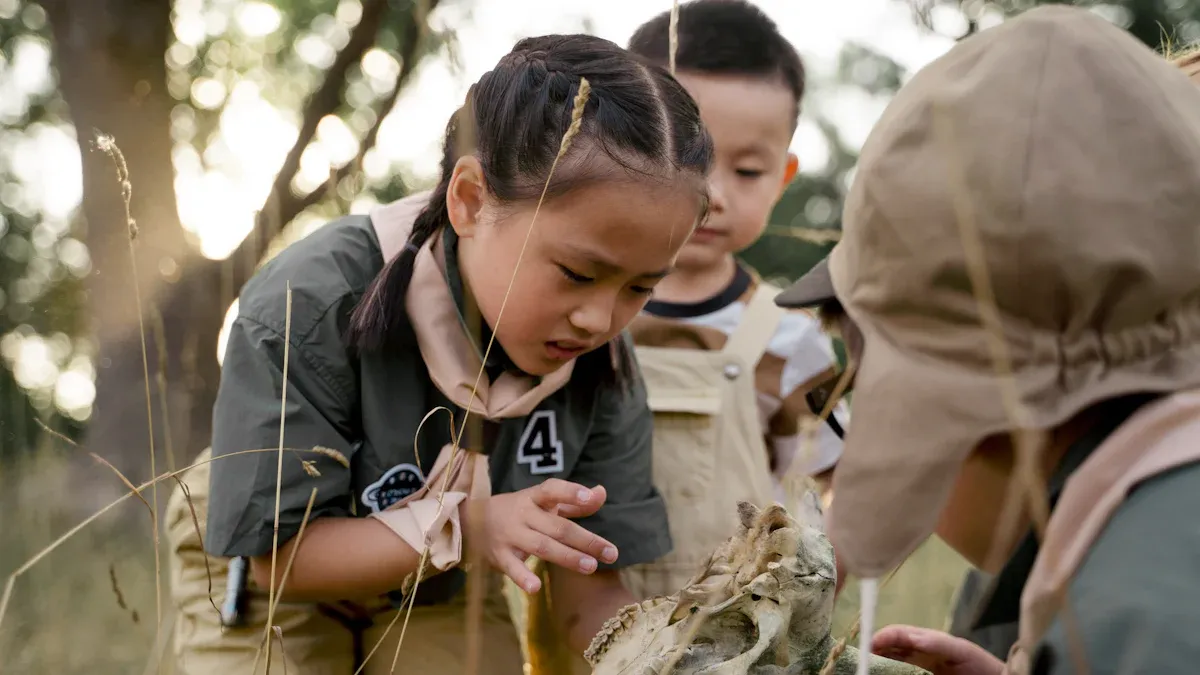
Going outside makes STEM activities more exciting. Students connect with nature and learn new things. Outdoor STEM activities help students watch, explore, and measure. Students get excited when they can move and discover.
Nature Scavenger Hunt
A nature scavenger hunt turns a walk into an adventure. You give students a list of things to find, like a red leaf or a butterfly. Students look for items, share facts, and ask questions. This activity helps students notice and sort things. Students start to pay more attention to what is around them. They also think more about the environment.
Scavenger hunts help students notice things and learn in a fun way.
Kids learn by exploring and become more aware of their world.
Being in nature helps students think better and care about the earth.
Tip: Go back to the same place after a few weeks. Students can see what has changed and practice measuring.
Planting Seeds
Planting seeds is a classic STEM activity. You help students dig, plant, and water seeds. Students learn about science and how plants grow. They find out how much water plants need and what roots do. Students ask questions and guess what will happen. This hands-on activity helps students learn more about plants and nature.
Students watch plants change, write down what they see, and share with others. Students talk about their gardens at home and feel closer to family. Farm schools show that planting seeds helps students love nature and learn early.
Weather Charting
Weather charting mixes science and math. You help students track the weather with drawings or simple charts. Students see patterns, measure rain, and talk about temperature. This activity helps students learn to measure and see how weather changes things.
Block Quote: “Active outdoor learning captures attention and increases interest in STEM topics.”
Benefit Type | Description |
|---|---|
Hands-on Learning | Doing STEM in nature makes ideas easier to understand. |
Critical Thinking | Nature makes students solve problems and test ideas. |
Collaboration | Working together outside helps students talk and work as a team. |
Engagement | Outdoor learning keeps students interested in STEM. |
Health Benefits | Fresh air and moving help students focus and learn better. |
Real-world Applications | Outdoor activities show how STEM is used in real life. |
Outdoor play makes STEM learning real and fun. Students grow smarter, learn to work with others, and develop new skills. Teachers see students do better when they mix STEM with nature.
Math and Measurement Fun
Math can be fun when you use hands-on activities. You can turn daily moments into learning time. These math stem activities help students learn numbers and patterns. Students also get to explore shapes. Here are three easy ways to make math exciting.
Counting Objects
You can count anything with students. Try blocks, buttons, rocks, or feathers. Counting helps students link number words to real things. Line up rocks from big to small. Count straws when making necklaces. Students like counting during snack time. Ask, “How many pretzels do you have?” or “Can you count your blocks?”
Evidence Type | Description |
|---|---|
Counting Skills | Learning to count helps students get better at math. Kids use counting to figure out sets of things. |
Cardinal Counting | Students match each number word to each item. This shows they know what numbers mean. |
Sensitivity to Counting Principles | Preschoolers notice when counting rules are broken. This means they understand counting is exact. |
Students show number sense when solving problems. They compare groups and think about amounts. Counting with friends or teachers helps them learn more. Studies show early counting leads to better math skills later.
Shape Sorting
Shape sorting is a classic stem activity. Give students different shapes to sort. They can sort by shape, size, or color. This game helps students see differences. Students start with shapes, then sort by size or color as they grow.
Shape sorting helps students learn about shape, size, and color.
Sorting helps students get ready for harder math, like counting and patterns.
Students build thinking skills when they sort and organize.
Use blocks, buttons, or leaves for sorting. Sorting fits well with play and keeps students interested.
Bead Patterns
Bead patterns mix creativity and math. Give students beads and string. Ask them to make repeating patterns, like red-blue-red-blue. Students can also make their own designs. They practice sequencing and symmetry. Students solve problems as they work.
Benefit | Description |
|---|---|
Fine Motor Skills | Students get better at using their fingers with beads. This helps them move their hands well. |
Pattern Recognition | Bead activities help students spot and make patterns. Patterns are important for math. |
Creativity | Students show creativity by picking colors and designs. |
Problem-Solving | Students figure out how to make patterns. This builds problem-solving skills. |
Spatial Reasoning | Bead crafts help students picture how beads fit together. |
Bead crafts help students think and see how patterns work. You can use buttons, pasta, or natural things for variety. These stem activities make math fun and important.
Tip: Try measurement tools with students. Compare how many cubes long things are. Order water bottles from tallest to shortest. These hands-on activities help students see math in daily life.
Technology and Coding for Preschoolers
You can use technology and coding in your classroom with easy tools and imagination. Preschool stem activities like these help students learn logic and problem-solving early. You do not need screens or expensive gadgets. You only need some creative ideas and a playful attitude.
Story Sequencing Cards
Story sequencing cards make stories into a hands-on stem activity. You give students cards that show parts of a story. They put the cards in order and talk about what happens first, next, and last. This helps students see how events are connected.
Evidence | Explanation |
|---|---|
Remembering the order of events in a story is a basic logic skill. | This skill is important for reading, solving problems, and planning. |
Logical thinking often needs understanding cause and effect. | Sequencing helps kids see how one thing leads to another, which helps them plan and make choices. |
Kids learn to see how stories move from start to finish. | This helps them remember what happened and understand why things happen in stories. |
You can ask, “What happened first?” or “What could happen next?” Students enjoy retelling stories and making up their own. This activity helps all students build strong thinking skills.
Floor Tape Mazes
Floor tape mazes turn your classroom into a big puzzle. You use colored tape to make paths on the floor. Students move toys or themselves through the maze, following directions and solving problems.
Mazes help students solve problems and think logically.
Playing maze games builds memory and thinking skills.
Planning moves and changing direction helps students make quick decisions.
Students learn to plan their moves and change direction if they get stuck. You can make the maze harder by adding more turns or obstacles. This stem activity gets students moving and thinking at the same time.
Spinning Art Machine
A spinning art machine mixes technology and creativity. You can use a salad spinner or a small motor to spin paper and paint. Students drop paint on the paper and watch the colors swirl and mix. This activity shows how machines can help make art.
Students see how speed and movement change their designs. They try different colors and amounts of paint. Teachers can ask, “What happens if you spin faster?” or “How do the colors mix?” This is a fun way to connect stem and play.
Try these other technology and coding activities:
Code a Friend: Give step-by-step instructions to a partner.
Origami Without Instructions: Fold paper by following or making up directions.
Treasure Obstacle Course: Write instructions to help friends find hidden treasure.
These stem activities help students learn to think like coders and engineers. You give them ways to explore, create, and solve problems. Every student can join in and have fun with technology, even in preschool.
Engaging STEM Activities for Preschoolers
Inquiry-Based STEM Ideas
You can make students curious with STEM ideas that mix science, technology, engineering, and math. When you put these subjects together, students get more excited and creative. Try activities where students ask questions, test their ideas, and solve problems as a group. For example, set up a building area with blocks, measuring tapes, and magnets. Students can build a bridge, check if it holds weight, and see if magnets stick to it. This kind of play lets students use many skills at the same time.
Mixing creativity with STEM helps students stay interested and solve problems.
Students from all backgrounds enjoy thinking in new ways when you combine subjects.
International studies show that students use ideas from many STEM fields when they work together and think creatively.
You can ask open-ended questions like, “What do you notice?” or “How can you make it stronger?” These questions help students think deeper and share their ideas.
Indoor and Outdoor STEM Activities
You can use STEM ideas for preschool inside or outside. Try a weather station indoors with charts and thermometers. Then go outside to measure rain or watch clouds. Students like moving between spaces and seeing how STEM connects to real life.
Tip: Use visual schedules so students know what comes next. This helps everyone feel safe and ready to learn.
Here are some ways to keep STEM activities safe and fun:
Strategy | Description |
|---|---|
Clear Expectations | Set simple rules so students know how to use materials and work together. |
Consistent Routines | Keep a regular schedule for STEM time. This helps students feel calm and focused. |
Positive Reinforcement | Praise students when they share, clean up, or try something new. |
Give students classroom jobs, like handing out materials or cleaning up.
Watch students closely, especially with small parts or outdoor tools.
Redirect students if they get off track, and always join in the fun.
When you use these strategies, you help students explore STEM safely. Teachers see that students learn more when they feel supported and know what to do. With the right STEM ideas for preschool, you can make every day an adventure in learning.
Tips for Preschool STEM Activities
STEM in Circle Time
Circle time gives you a great chance to bring STEM into your daily routine. You can start with a simple question or a quick experiment. Ask students to guess how many blocks fit in a basket or what happens if you mix two colors. Use songs or stories that talk about science or numbers. Students love sharing their ideas and watching what happens next. You can use this time to spark curiosity and get everyone thinking together.
Tip: Try a “question of the day” about nature or building. Let students share their answers and talk about their thinking.
Safety and Materials
Safety matters when you do STEM activities. You need to check materials before students use them. Choose items that are big enough so students cannot swallow them. Keep sharp tools away from little hands. You can set up a table with safe materials like blocks, cups, and magnets. Remind students to clean up after they finish. You help students learn responsibility and keep the classroom safe.
Material Type | Safe for Students? | Notes |
|---|---|---|
Wooden blocks | Yes | Easy to stack and sort |
Plastic cups | Yes | Good for building |
Magnets | Yes | Supervised use only |
Small beads | No | Choking hazard |
Encouraging Questions
You help students learn more when you encourage questions. Ask open-ended questions like, “What do you notice?” or “How did you build that?” Give students time to think and answer. You can let students test their ideas and see what works. When students ask questions, they feel confident and want to explore more. You show students that it is okay to make mistakes and try again.
Listen to students and repeat their questions.
Celebrate when students find new answers.
Use play to help students test ideas and learn from each other.
You make STEM fun and meaningful when you support curiosity and safe exploration. Students grow as thinkers and problem solvers every day.
You can make a big difference when you bring STEM activities into your classroom. Students love to explore, ask questions, and try new things. When students work together, they build curiosity and strong problem-solving skills. Start with a few ideas and watch your students grow. You will see students learn through play and discover how much fun STEM can be. Every student can succeed with these easy activities.
FAQ
What if my classroom has limited STEM materials?
You can use things like cups, blocks, or spoons. Ask students to bring safe things from home. Try using recycled items for activities. You do not need special supplies to make students curious.
How do I keep preschoolers engaged during STEM activities?
Let students move around and play. Change up the activities often. Ask questions to help them think. Celebrate when they discover something new. Keep each session short and exciting.
Can I do STEM activities outside?
Yes! Nature gives you many chances to learn. Try scavenger hunts, weather charts, or planting seeds. Outdoor STEM lets students watch, measure, and connect with nature.
How do I manage safety during hands-on STEM projects?
Set simple rules before starting. Watch students closely, especially with small pieces. Use a table for safe items. Remind everyone to clean up after each activity.
What if students ask questions I cannot answer?
That is okay! Say, “Let’s find out together.” Use books or try easy experiments. Let students share their ideas too. Learning together helps everyone feel confident and curious.
See Also
10 Engaging Sensory Experiences for Preschool Learning Adventures
Best 10 Clean Sensory Activities for Nurseries This Year
10 Highly Recommended STEM Toys That Spark Learning Fun
