Easy Activities to Strengthen Sensory Motor Skills in Children
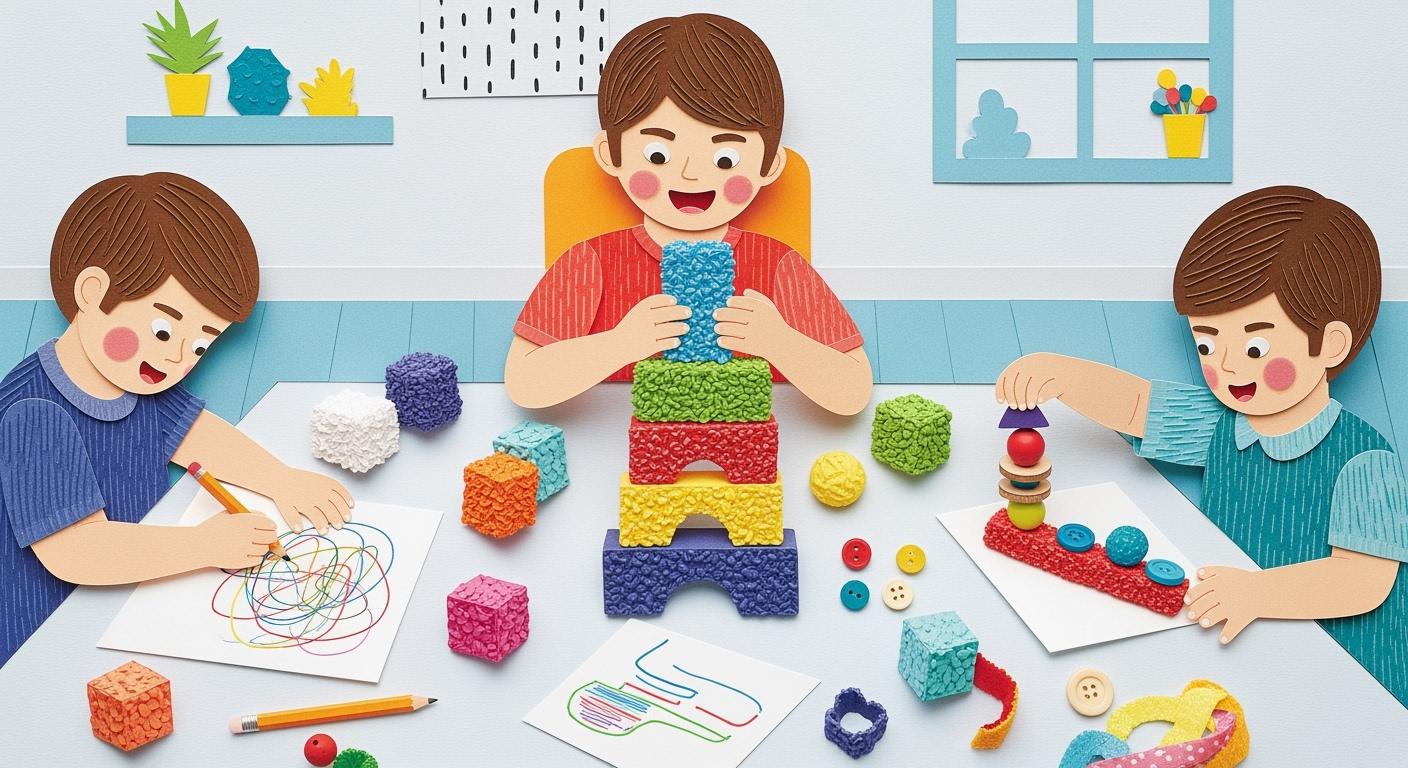
You can help kids build sensory motor skills with easy activities at home. Many kids have trouble with balance, coordination, or how things feel. Simple activities like using Star Shape Stepping Stones, walking on a Wood Balance Beam, crawling through a 4 Way Pop Up Tunnel, or squeezing a Half Massage Yoga Ball help kids practice and get better.
Being sensitive to loud sounds
Not liking how things feel
Liking certain clothes only
Having trouble with bright lights or crowds
Making your home sensory-friendly means you listen to your child’s needs. Give praise for every try, be patient, and let kids explore slowly. Try new things and see your child get stronger every day.
Key Takeaways
Have your child do sensory motor activities every day. Try jumping, crawling, and playing with toys that feel different. These help improve balance and coordination.
Make your home sensory-friendly. Be patient and let your child explore. Cheer for every small win to help your child feel confident.
Add fun games like Simon Says and obstacle courses. These games make moving fun and help build gross motor skills.
Make your own sensory bins with different materials. This helps your child touch and feel new things. It also helps fine motor skills grow.
Let your child do daily routines by themselves. They can dress themselves and help with meals. This helps them become more independent.
Sensory Motor Skills in Children
What Are Sensory Motor Skills?
You may wonder what sensory motor skills are. These skills help kids use their senses and bodies together. Kids use them when they jump, draw, or get dressed. Sensory motor skills help children notice things they see, hear, touch, and feel. Then, they turn that information into movement. Sensory processing is how the brain sorts and reacts to all this input.
Pediatric therapists talk about three main parts of sensory motor skills. Here is a simple table that shows what each part does:
Component Type | Description |
|---|---|
Gross Motor Skills | Uses big muscles in arms and legs for walking and running. |
Fine Motor Skills | Uses small muscles in hands and wrists for writing and cutting. |
Adaptive Behavior | Includes self-help skills for Activities of Daily Living (ADLs). |
Kids build these skills by doing daily activities and playing. Sensory experiences like touching different textures or moving in new ways help the brain grow. You might see your child reach new milestones as they explore.
Why They Matter
Sensory motor skills are important for learning and growing. When kids practice sensory activities, they get better at using their bodies. This helps them learn in school, make friends, and feel good about themselves.
Look at how sensory motor skills connect to learning and social life:
Evidence Type | Findings |
|---|---|
Motor Skills and Cognitive Development | Motor skills in early childhood help with learning and later academic success. |
Motor Skills and Social Skills | Good motor skills help kids interact with others and build social skills. |
Executive Function Gains | Movement activities can improve executive function, which is important for school. |
Mobility and Social Interaction | Moving well helps kids join social activities and grow emotionally. |
You help your child’s brain and senses every time you encourage new sensory activities. Practicing sensory motor skills supports learning and builds confidence. It also helps kids handle daily challenges. Try to notice the small steps your child takes. Celebrate every new skill. Remember, sensory processing is a journey for both of you.
Repetitive Play for Motor Skills
Classic Games for Coordination
Classic games help kids build gross motor skills. Hopscotch and Simon Says are fun ways to move. These games let kids try new movements. Kids practice jumping, running, and balancing. Therapists suggest hopping on one foot or catching a ball. You can make a simple obstacle course at home. Kids enjoy repeating these big movements. Simon Says helps kids follow directions and move their bodies. Hopscotch is good for playing inside or outside. It helps kids get better at gross motor skills while having fun.
Tip: Change the games sometimes. Add new rules or use different things to keep kids interested.
Movement Routines at Home
You can make movement routines at home for kids. Start with yoga, animal walks, or dance moves. These routines help kids know their bodies and move better. Kids like acting like animals, crawling like bears, or hopping like frogs. Simon Says helps kids follow steps and copy movements. Drawing, coloring, and Play-Doh help fine motor skills. You can mix these with balance exercises. Throwing balls, threading beads, and cutting with scissors help kids get better. Dance and obstacle courses build gross motor skills and help kids know where they are in space. Doing these activities every day helps kids practice and get stronger.
Note: Keep routines easy and do them often. Kids learn best when they play and practice big movements many times.
Sensory Play Activities
Tactile Play Ideas
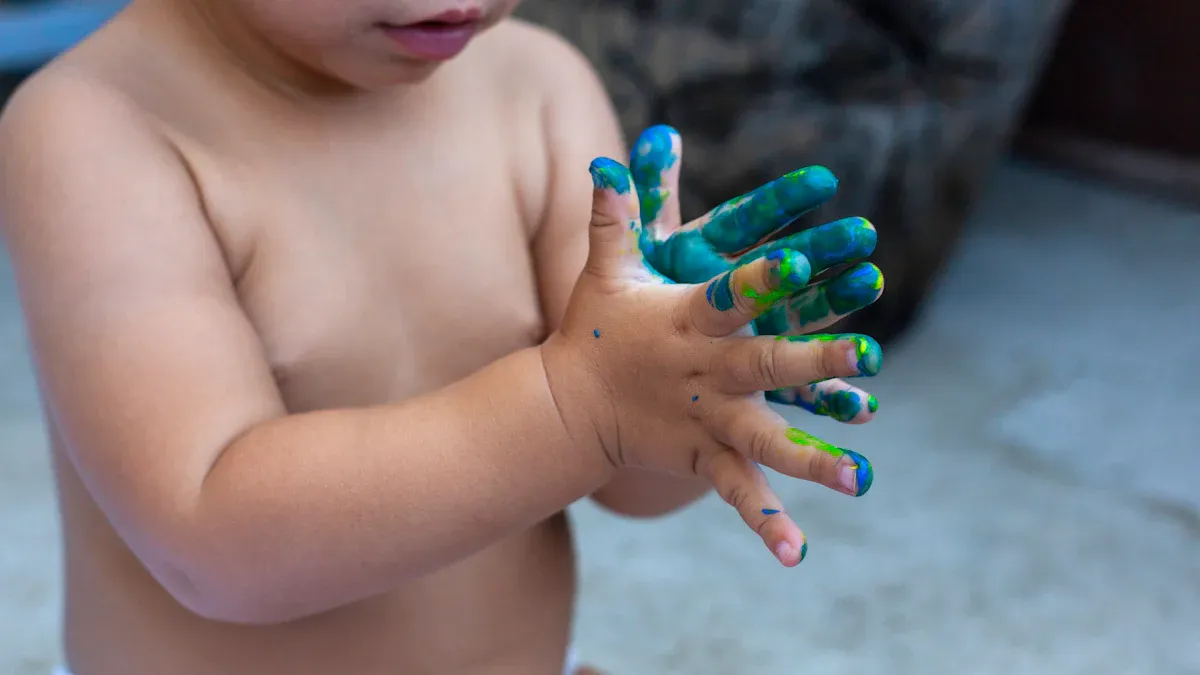
You can help your child’s sensory motor skills with hands-on play. Sensory play lets kids feel many textures and temperatures. Kids can touch things that are rough, smooth, warm, or cool. Try activities like playing with water, sand, slime, or playdough. These help your child learn about the world by touching. Kids like to squish, squeeze, and shape different materials. These activities show kids how things feel and help fine motor skills grow.
Here’s a quick look at some sensory play options:
Activity Type | Description |
|---|---|
Tactile Play | Kids use their hands to explore objects. They learn about textures, temperature, vibrations, and pressure. |
Activities | Water, sand, slime, playdough, or textured objects are great for sensory play. |
You can also try proprioceptive play at home. Kids can push heavy things or carry weighted items. They can also use resistance bands to move. These activities help kids know where their body is and how it moves. Sensory play like this builds confidence and helps motor skills get better.
DIY Sensory Bins
DIY sensory bins are simple to make and give lots of fun. Fill a bin with rice, beans, pasta, or small toys. Kids can scoop, pour, and dig in the bin. Sensory bins help kids calm down and avoid meltdowns. They let kids use many senses at once. Kids practice fine motor skills by writing, shaping, and sorting things.
Tip: Let your child pick what goes in the bin. This makes sensory play more fun and special.
Sensory bins help kids play alone or with others. Kids learn to talk, share, and take turns. These activities help picky eaters try new textures. Touching different things can make kids less worried and build sensory motor skills. You can use sensory bins for quiet time or group play. Sensory play like this helps your child grow and makes learning fun.
Fine Motor Skill Builders
Crafts and Art Projects
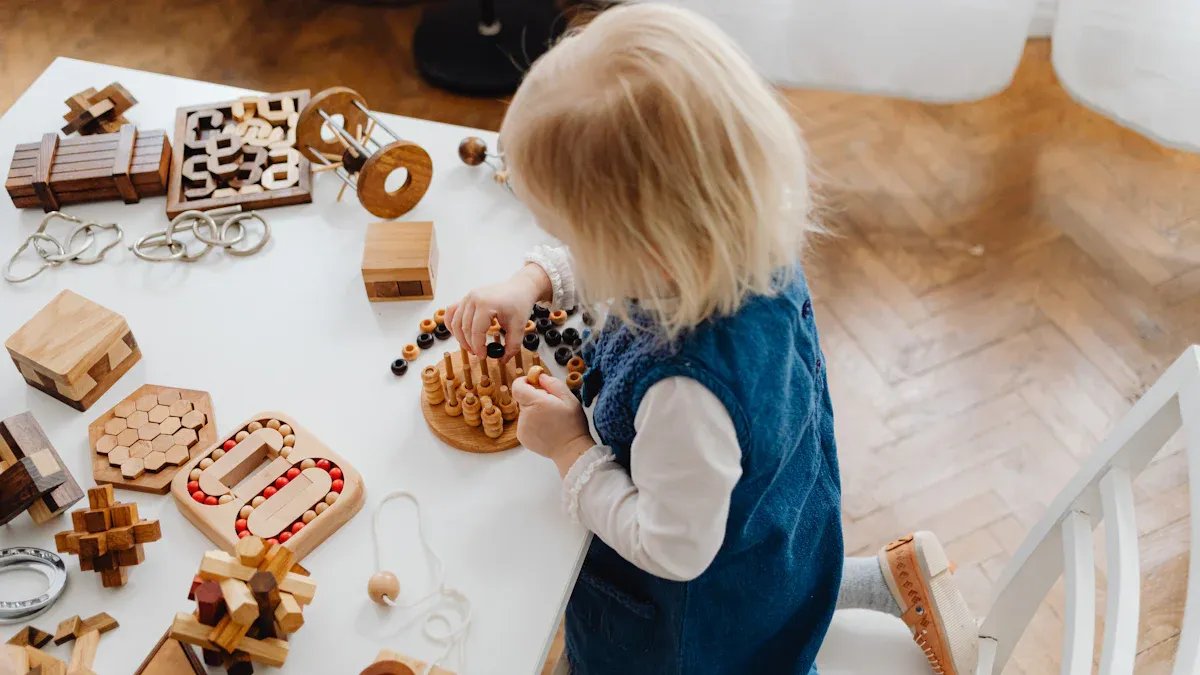
You can help kids build fine motor skills with crafts. These activities let kids practice using their hands and eyes together. Giving kids art supplies helps them get better at small movements. Kids can use scissors, playdough, or stickers. Each project lets kids try new hand actions and makes their fine motor skills stronger.
Craft Activity | Benefits |
|---|---|
Helps kids learn to hold and move scissors. It also helps them use both hands together and see what they are doing. | |
Molding Playdough | Makes hand muscles stronger by squishing, rolling, and shaping playdough. |
Sticker Activities | Helps kids pinch and place stickers. This builds finger strength and helps them match what they see with how they move. |
Kids can also build with blocks or do puzzles. These activities help kids get better at gripping and moving things. Playing with playdough makes fingers stronger and more flexible. Art and crafts help kids be careful and creative. Puzzles help kids learn about space and control their hands.
Tip: Let kids pick their own art supplies. This makes activities more fun and helps kids feel good about their choices.
Hand Strength Activities
Hand strength activities help kids get ready for school and daily life. Kids can squeeze stress balls, tear paper, or thread beads. These activities help kids build grip and coordination. Moving their whole body, like crawling or climbing, also helps make hands stronger.
Activity Type | Contribution to Fine Motor Skills |
|---|---|
Hand Strengthening Activities | Help kids get better at gripping, moving, and using their hands for school and daily tasks. |
Large Body Movements | Make hands stronger and help kids do things on their own at school and play. |
Self-Care Tasks | Help kids work on weak hands and control, which is important for daily routines. |
Fine motor skills are important for kids as they grow. These skills help kids learn and do everyday things. Kids use fine motor skills to write, get dressed, and eat. Getting better at these skills helps kids feel proud and grow.
Note: Practice hand strength activities often. You will see kids get better at using their hands and eyes together every day.
Heavy Work Activities for Children
Heavy work activities let kids move, push, pull, and lift things. These actions help the proprioceptive system know where the body is. When you add heavy work to your child’s day, you help them build strong sensory motor skills. These activities also help kids feel calm. Many kids like heavy work because it feels good and makes their bodies work hard.
Outdoor Chores and Nature Play
You can make outdoor chores into fun heavy work. Kids can shovel snow, rake leaves, or pick up sticks in the yard. These jobs use big muscles and give strong input to the proprioceptive system. Carrying a bucket of water or stacking firewood gives deep pressure. This helps kids feel steady and safe.
Nature play is another way to add heavy work. Let your child explore parks, trails, or creeks. Ask them to climb trees, dig in dirt, or build forts with branches. These activities help kids use their bodies in new ways. They also build important skills. You can make a safe outdoor space for your child to play and move.
Here are some ideas for outdoor heavy work:
Shoveling snow or dirt
Raking leaves into piles
Picking up and carrying sticks or rocks
Stacking firewood or garden tools
Digging holes for planting
Carrying buckets of water or sand
Tip: Ask your child to help with outdoor chores. Praise their effort and let them rest when they need to.
Heavy work in nature does more than build muscles. It helps kids pay attention, calm down, and use their senses. Moving heavy things or playing outside gives strong proprioceptive input. This helps the proprioceptive system work better. It is important for kids who need extra sensory support. Heavy work can also help kids make friends and join group activities.
Obstacle Courses and Climbing
Obstacle courses are a fun way to add heavy work at home or outside. You can set up a course with cones, tunnels, and balance beams. Ask your child to crawl through tunnels, climb over cushions, or jump from spot to spot. These actions challenge the proprioceptive system. They help kids learn about their bodies.
Climbing is another great heavy work activity. Kids can climb ladders, monkey bars, or trees. When they pull up or swing across bars, they use many muscles. They get strong proprioceptive feedback. Climbing also gives vestibular input, which helps with balance and movement.
Try these ideas for obstacle courses and climbing:
Crawl through pop-up tunnels or under tables
Climb up ladders or playground equipment
Jump over pillows or small hurdles
Push heavy boxes from one place to another
Swing on monkey bars or ropes
Balance on beams or logs
Obstacle courses and climbing help kids build coordination, balance, and strength. These heavy work activities also help with sensory integration. They give deep pressure and movement input. When kids finish heavy work, they learn to plan movements and feel more confident. The proprioceptive system gets stronger. Kids can handle daily challenges more easily.
Note: Change the course often to keep it fun. Let your child help make new challenges and celebrate their progress.
Heavy work is not just exercise. It helps kids control feelings, focus, and feel calm. The proprioceptive and vestibular systems both get stronger with heavy work. Deep pressure from these activities can help kids who feel overwhelmed or restless. When you add heavy work to your child’s routine, you help their sensory motor skills grow.
Heavy Work Activity | Sensory Benefit | Motor Skill Gained |
|---|---|---|
Shoveling snow | Deep pressure, proprioceptive input | Arm and core strength |
Raking leaves | Proprioceptive feedback | Coordination, endurance |
Crawling through tunnels | Proprioceptive and vestibular input | Body awareness, flexibility |
Climbing trees | Proprioceptive and vestibular input | Balance, risk assessment |
Stacking firewood | Deep pressure, proprioceptive input | Following directions, strength |
Heavy work helps kids feel safe in their bodies. The proprioceptive system gets the input it needs. Kids can focus, learn, and play with more confidence. Try adding heavy work every day and watch your child’s sensory motor skills grow.
Food Exploration for Sensory Development
Trying New Tastes and Textures
Food exploration helps your child learn new things. When kids touch, smell, and taste foods, they build sensory motor skills. Some kids feel nervous about new foods. This is normal. Exploring helps them get used to new tastes and textures.
Touching and tasting foods helps kids try new things.
Kids who play with food are more likely to eat it.
Toddlers who join in food activities often touch and taste new foods.
Preschoolers who explore food taste more fruits and veggies than others.
Exploring is important for learning. As kids get older, they may explore less, but they accept more foods. Early exploration helps kids eat better later.
Here’s a quick look at how early tasting and touching shapes sensory skills:
Evidence | Description |
|---|---|
Sensitive Period | Early infancy is a key time for food texture exploration. Waiting too long to try solids can lead to aversions. |
Feeding Difficulties | Introducing lumpy foods after 10 months can cause more feeding problems. |
Dietary Variety | Longer breastfeeding links to more variety and acceptance of textures. |
Trying different textures helps kids accept new foods. Early exploration shapes what kids like and builds sensory skills.
Fun with Food Prep
You can make food prep a fun activity. Let kids help with easy kitchen jobs. These tasks build sensory skills and help kids feel proud.
Activity Name | Description | Materials Needed | Speech and Language Focus |
|---|---|---|---|
Rainbow Spaghetti Play | Explore colors and textures with dyed spaghetti. | Cooked spaghetti, food coloring, bowls. | Use words like 'slippery' and 'wiggly'. |
Textured Playdough Creation | Make playdough with added textures for exploration. | Flour, salt, water, oil, add-ins. | Describe textures: 'bumpy', 'smooth'. |
Scented Herb Sensory Jars | Smell jars of herbs and spices for olfactory exploration. | Small jars, herbs, spices. | Expand words: 'minty', 'earthy'. |
Crunchy and Smooth Texture Exploration | Compare food textures by tasting and touching. | Crackers, bananas, yogurt, bowls. | Practice 'crunchy vs. smooth'. |
Ice Cream in a Bag | Make ice cream and explore cold sensations. | Ziplock bags, milk, sugar, ice, salt. | Use action words: 'shake', 'freeze'. |
Tip: Let your child lead the activity. Ask questions like, “How does this feel?” or “What does it smell like?” This helps build language and sensory skills.
You can make food exploration part of every day. Try new activities often. Celebrate each small step your child takes. Exploring food in the kitchen helps kids grow, learn, and enjoy food together.
Pediatric Motor Skills and Core Strength
Building core strength helps kids improve motor skills. When kids get stronger in their core, they balance better. They sit up straighter and focus longer on tasks. Kids with strong core muscles move with more confidence. They feel steady and do not get tired as quickly. Motor skills get better when kids feel strong and less worn out.
Therapy Ball Exercises
Therapy ball exercises are fun and help build core strength. You can use a therapy ball for easy activities at home. Kids enjoy rolling, bouncing, and balancing on the ball. These exercises make playtime exciting and help with balance. Therapy ball activities make core muscles stronger. Strong core muscles help kids stay steady. Kids practice coordination by trying to balance and reach. Using the ball helps kids sit upright and focus. Rolling or bouncing gives sensory input for balance and awareness. Deep pressure from the ball helps kids feel calm and process senses.
Therapy ball activities build core muscles for stability.
Kids practice coordination by balancing and moving.
The ball helps kids control posture and focus.
Rolling and bouncing give sensory input for balance.
Deep pressure from the ball helps kids feel calm.
Tip: Sit on the ball together and bounce or roll gently. Ask your child to reach for toys or stretch arms. This keeps play fun and builds motor skills.
Tummy Time and Early Activities
Tummy time is important for young kids and babies. You can start with simple activities to make tummy time fun. Early activities help build core strength and reach new milestones. Chest-to-chest and belly-to-belly play help bonding and visual skills. Mirror play makes kids lift their heads and explore. High contrast cards help kids track with their eyes and build neck strength. Sitting with your child’s chest against your legs gives support and a good view. Siblings can join in and make coordination practice fun. Rolling and baby airplane games build skills and confidence. Outdoor tummy time gives new sights and sensory experiences.
Chest-to-chest play helps bonding and visual skills.
Mirror play makes kids lift their heads and explore.
High contrast cards help visual tracking and neck strength.
Sitting with your child’s chest against your legs gives support.
Siblings make activities fun and help coordination.
Rolling and baby airplane games build skills and confidence.
Outdoor tummy time gives new sensory experiences.
Note: Keep tummy time short and positive. Celebrate every effort and let kids explore at their own pace. These activities help build core strength and motor skills.
Kids who do therapy ball exercises and tummy time have better posture. They last longer and focus more. You help them grow stronger and feel more confident every day.
Encouraging Independence in Daily Routines
Helping kids become independent can seem hard at first. You can make it easy and fun with simple steps. Be patient, give help, and praise their efforts. This makes kids feel proud when they do things on their own. Every small thing they try is important. You can turn daily tasks into ways to build confidence. Use creative ideas and encourage your child.
Self-Dressing and Personal Care
Letting kids dress themselves helps them become more independent. When kids put on their own clothes, they practice important skills. Buttoning shirts and zipping jackets use fine motor skills. Pulling on socks makes hands stronger. Start with easy things, like taking off clothes. Move to harder things later. Doing things in the same order helps kids remember what to do next. Picture charts can show each step and help kids follow along.
Try these ways to make self-dressing fun:
Make a game out of getting dressed, like racing to put on socks.
Sing songs or say rhymes for each step.
Let kids pick their own clothes to practice making choices.
Tip: Celebrate every try, even if it is not perfect. Praising kids helps them feel good and want to keep trying.
Mealtime and Cleanup
Mealtime and cleaning up are good times to practice being independent. Kids can pour drinks, use forks and spoons, and wipe the table. Let them drink from a regular cup and sit where they feel comfortable. Keep meals short and calm so kids do not get stressed. Before eating, try a quick sensory warm-up, like squeezing a ball or stretching arms.
Here are some ways to help kids be independent at meals and cleanup:
Activity | How It Builds Independence and Skills |
|---|---|
Pouring water | Helps hand control and builds confidence |
Using a regular cup | Improves coordination and self-feeding |
Wiping the table | Teaches responsibility and planning |
Cleaning up dishes | Builds routine and helps kids do things alone |
You can use checklists or hand signals to show what to do next. Make cleaning up fun by playing music or using a timer.
Note: Doing the same routines and using playful activities helps kids feel safe and happy about being independent every day.
Making Activities Part of Everyday Life
Consistency and Motivation
You can add sensory motor activities to your daily life. Doing these activities every day gives kids more practice. When you keep a routine, kids feel safe and know what will happen. This can lead to fewer meltdowns and more happy moments. Parents who use these ideas at home see their kids get better at handling feelings and feeling confident. A set routine helps kids get the support they need to grow.
Here are some ways to keep activities regular and fun:
Pick a set time for sensory motor activities, like after breakfast or before bed.
Use things like picture schedules or checklists to help kids remember what to do next.
Celebrate small successes with praise or a sticker chart.
Change activities sometimes to keep them fun, but keep the routine the same.
Using these ideas every day helps kids build skills for life. Therapists have seen kids get better at balance, coordination, and moving with practice. Sensory integration also helps kids pay attention, remember things, and solve problems.
Adapting for Different Ages
You can change activities to fit your child’s age and skills. Younger kids like playful things like crawling through tunnels or animal walks. These activities give proprioceptive input and help motor skills grow. Finger painting lets kids feel different textures and practice using their eyes and hands together. Jumping and balloon tapping are good for balance and coordination.
Older kids can try things like obstacle courses or balance games. As kids get bigger, you can add team sports or theater to help with social and emotional skills. These activities help kids work with others and feel proud of what they can do.
Age Group | Recommended Strategies |
|---|---|
Toddlers | Crawling, animal walks, finger painting |
Preschoolers | Jumping, balloon tapping, simple obstacle courses |
Elementary | Balance games, team sports, theater arts |
Try new activities and watch your child’s skills improve. You can change activities as your child grows and gets stronger.
You can help kids build sensory motor skills with easy activities. Try swinging, jumping, and doing puzzles at home. These activities help with balance and coordination. They also make hand-eye skills better. Playing in groups helps kids learn to work with others. It also teaches them to care about friends. You can use checklists or apps to see how your child is doing. Celebrate every small win your child has. Be patient and do these activities often. Kids will feel more confident and have fun learning new things together.
FAQ
How often should you do sensory motor activities with your children?
You can try sensory motor activities every day. Short sessions work best. Children build skills faster when you keep routines regular. You will see progress as your child practices and explores new movements.
What if your child does not like certain activities?
You can offer choices and let your child pick. Some children need time to get used to new activities. Praise every effort. If your child feels uncomfortable, try different skills or change the activity.
Can sensory motor skills improve at home?
Yes, you can help your child grow these skills at home. Simple activities like crawling, jumping, or playing with textured toys make a big difference. Children learn best when you keep things fun and relaxed.
How do you know which activities are right for your child?
You can watch how your child reacts. Some children enjoy messy play, while others like movement. Try different activities and see which skills your child likes. You can ask your child for ideas, too.
What are signs your child needs extra support with sensory motor skills?
You may notice your child avoids certain textures or has trouble with balance. Children who struggle with daily activities or seem frustrated may need extra help. You can talk to a therapist if you have concerns.
See Also
The Role of Sensory Toys in Enhancing Motor Skills
Ten Engaging Sensory Activities for Young Children’s Learning
Comprehensive Reviews of Top Toys for Gross Motor Skills
Best Sensory Strategies for Kids' Heavy Work Activities in 2025
