10 Creative Sensory Room Ideas for a Calmer Home
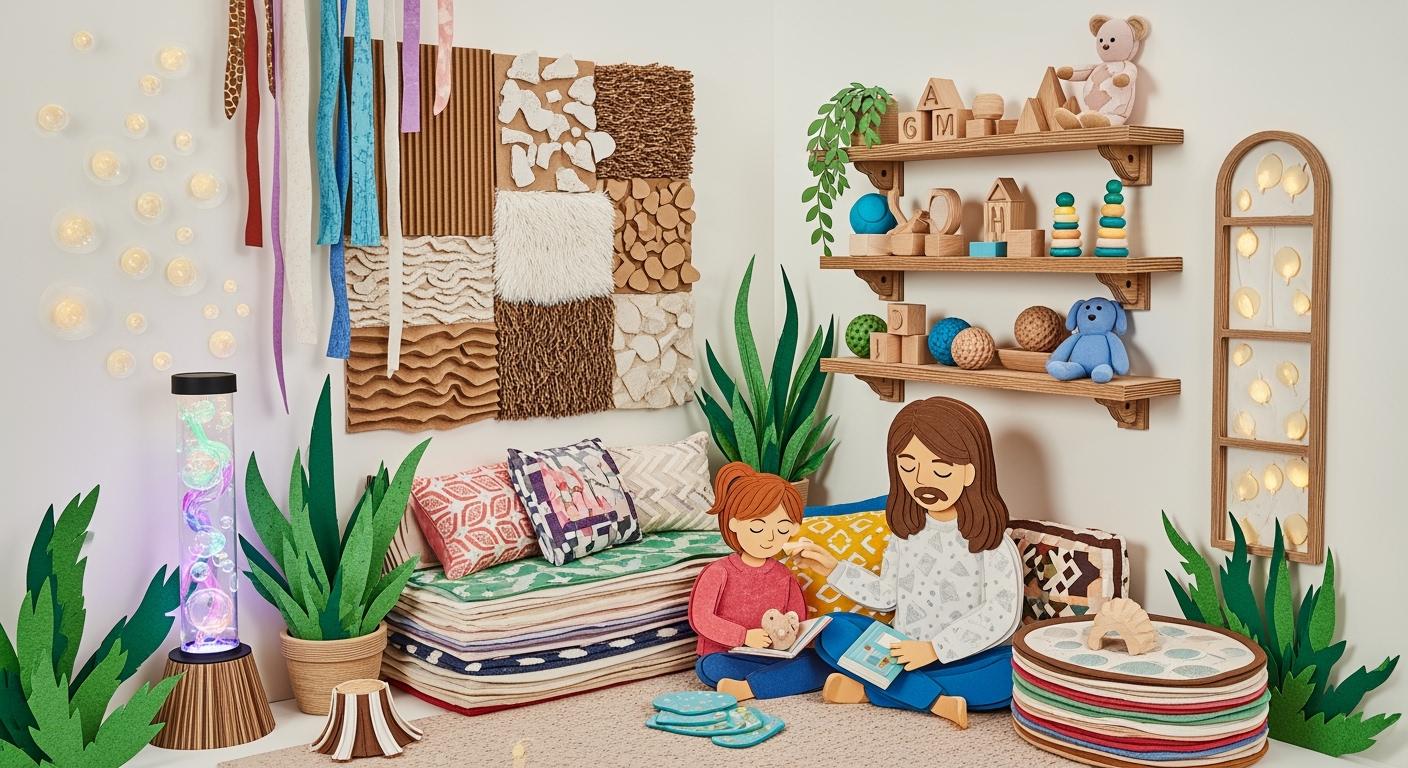
Are you searching for sensory room ideas to make your home calm and quiet? You can make a sensory room for autism or for anyone who needs a peaceful spot. A sensory room is a place where you can relax, rest, and feel calm. You may want a calming corner with weighted items, a wall with interactive light therapy, or a station for touching different things. These ideas work in small rooms, large spaces, and with any budget. Think about which sensory room ideas will make your home quieter and more sensory-friendly.
Calming Corner with Weighted Items
Interactive Light Therapy Wall
Tactile Exploration Station
Movement and Vestibular Zone
Sound and Music Sanctuary
Aromatherapy and Scent Station
Projection and Visual Stimulation Hub
Tip: Try out different sensory room features to see which quiet ideas help you feel calm. Choose what works best for your home and how you live.
Key Takeaways
A sensory room is a quiet place to relax and feel calm. It helps people who need a peaceful space to rest.
Add things like weighted blankets, soft lights, and touchable toys. These items help make your sensory room special and useful.
Try out different things in your sensory room. See what helps you and your family the most. Change things as your needs change.
Use things you already have at home to make your sensory room. This saves money and keeps the room safe and cozy.
Combine things you can see, hear, and touch in the room. This makes the room more relaxing and fits what each person likes.
Sensory Room Basics
What Is a Sensory Room
A sensory room is a special place you make for your senses. You put things inside that help you feel safe and calm. Many families use a calming sensory room for kids or adults who get upset by loud sounds, bright lights, or busy places. You can set up a calming sensory room in a big space, a small corner, or even a closet.
You might ask what you need for a sensory room. Occupational therapy rules say there are a few important parts:
Description | |
|---|---|
Sensory Equipment | Weighted blankets, fidget toys, and tools like light projectors |
Design Elements | Calming colors, soft textures, and sound insulation for a peaceful feel |
Purpose | Helps reduce sensory overload and supports sensory regulation |
You can pick what works best for your calming sensory room. Some people like soft lights and quiet music. Others want comfy bean bags or mats with different textures. The main goal is to make a calm place where you can rest and feel better.
Benefits of Creating a Sensory Room
Making a sensory room at home gives you a safe spot to relax. You can use it when you feel worried, stressed, or just need a break. Studies show that a calming sensory room can help lower stress and make you feel better, especially if you have sensory processing challenges or autism.
Here are some good things you might notice with a sensory room:
You feel more calm and less stressed.
You can focus better and handle strong feelings.
You may do fewer repeated actions.
You might have more fun with your family.
There are different kinds of calming sensory rooms. Some are active and help you move around. Others are quiet and peaceful. You can even mix both types to fit your needs.
Room Type | Stimulus Level | Suitable For | |
|---|---|---|---|
Active | High | Sensory seekers | Movement and coordination |
Calming | Low | Sensory avoiders | Relaxation and regulation |
Hybrid | Moderate | Mixed needs | Flexible engagement |
Tip: You do not need fancy things to make a sensory room. Start with a few calm items and add more as you find out what helps you most.
Multi-Texture Cozy Corner
Fabrics and Materials for Comfort
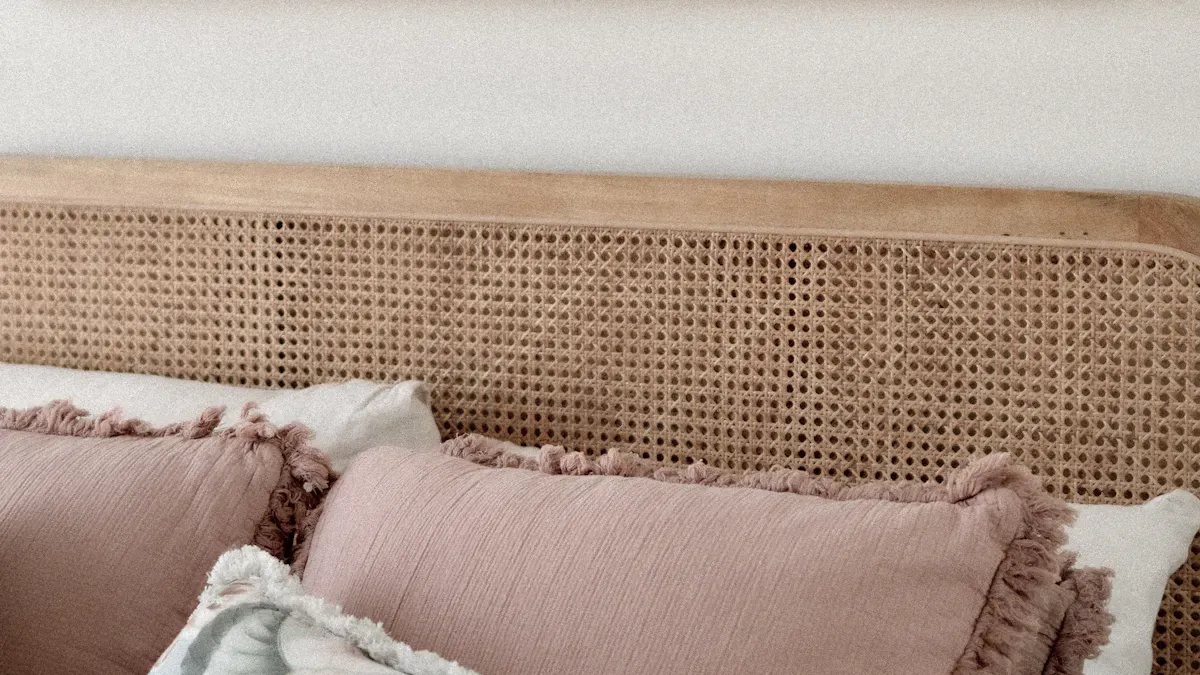
You want your multi-texture cozy corner to feel like a soft hug. Start with layers of different fabrics and materials. Try a mix of plush cushions, weighted blankets, and bean bags. These give you comfort and help you feel safe. Soft rugs or puzzle playmats make the floor gentle under your feet. You can even add textured floor tiles for extra sensory fun.
Here’s a quick look at some top picks for your sensory room:
Recommended Textures/Items | Description |
|---|---|
Weighted blankets or lap pads | Comfort and a sense of security |
Bean bags and soft cushions | Soft seating options |
Soft flooring like rugs | Comfort underfoot |
Puzzle playmats & textured tiles | Tactile exploration |
Plush cushions | Extra softness and support |
Soft throw blanket | Warmth and coziness |
You might also want to add a soft ottoman made from teddy or corduroy fabric. Place a basket of books nearby, or keep a bin of kinetic sand or soft fabric scraps for hands-on play. Small natural items like pinecones or seashells can add a gentle, earthy touch.
Personalizing Your Cozy Corner
Personalizing a quiet room makes it feel special. You can fill your multi-texture cozy corner with things you love. Maybe you want plushies, stuffed animals, or your favorite fidget toys. Visual timers help you know when it’s time to rest or play. Some people like privacy covers or a small tent to make the space feel private.
Try these ideas to make your sensory room corner unique:
Add a favorite book or two for calm reading time.
Use a soft throw blanket for extra warmth.
Place a visual timer nearby to help you relax.
Choose colors and patterns that make you smile.
Bring in a few tactile toys or fidgets for busy hands.
You get to decide what feels best. Change things up as you grow or as your needs change. Your multi-texture cozy corner can be a peaceful spot for anyone in your home.
Calming Lighting Gradients

Lighting can change the whole mood of your sensory room. You want the space to feel calm and safe, not too bright or busy. The right visuals help you relax and enjoy your time there.
Soft Lighting Options
Soft lighting works best for a calming sensory room. You can use warm light tones to make the space feel cozy and reduce stress. Try layering different lights to create depth and softness. This makes the room feel gentle and welcoming.
Here are some lighting options you might like:
Glow sticks: These give off a gentle glow and add fun visuals.
Fiber optic lights: These create soft, moving visuals that can help you focus or relax.
Bubble lamps: These offer soothing movement and soft lighting at the same time.
You can also use string lights or small lamps with dim bulbs. These choices keep the room from feeling harsh or overwhelming. Soft, low lighting helps you feel calm and safe. Warm colors in your lights can make the space feel more intimate and peaceful.
Tip: Layer your lights for the best effect. Try a mix of floor lamps, fairy lights, and sensory lights to create a relaxing mood.
DIY Sensory Room Lighting
You do not need expensive equipment to make great visuals. You can use simple items to create your own calming lights. Place glow sticks in jars for a soft nightlight. Hang string lights behind a sheer curtain for a dreamy effect. Try using a flashlight and colored cellophane to make your own color-changing lamp.
Here are some practical tips for safe DIY lighting:
Lighting Idea | Safety Tip |
|---|---|
Glow sticks in jars | Keep away from small children |
String lights | Use LED bulbs to avoid overheating |
Bubble lamps | Place on a stable surface |
Always check that cords and plugs are safe. Never leave lights on when you leave the room. With a little creativity, you can make beautiful visuals that help you relax and enjoy your sensory room.
Interactive Sound Wall
Sound-Producing Materials
You can make your sensory room more fun with a sound wall. This wall lets you try out many sounds and textures. Some materials soak up noise, while others bounce sound around. You can use both types to get the sound you want.
Here are some common sound-making materials for a sound wall:
Acoustic cotton panels
Polyester panels
Fiberglass panels
Cellulose fiber panels
Acoustic foam
Wood fiber matrix panels
Curved diffusers
Formed-fiberglass diffusers
Wood diffuser panels
Skyline diffuser panels
QRD diffuser panels
Each material gives a different sound. Some panels make things quieter. Diffusers make cool echoes and patterns. You can tap or touch these surfaces to hear new effects. Try mixing soft and hard materials for a room that feels both lively and calm.
Tip: Let kids help choose the materials. They may like testing which sounds help them feel happy or calm.
DIY Sensory Room Sound Elements
You can make your own sound wall at home. Use safe and strong materials. Make sure everything can handle lots of touching. Add bright handprints or shapes that change color and sound when pressed. Infinity tunnels can add neat visual effects and help you focus.
Here’s a table to show how to safely add a sound wall to your sensory room:
Feature | Description |
|---|---|
Robust Design | Made to last through lots of use at home. |
Interactive Elements | Colorful handprints let you change colors and sounds for more fun. |
Immersive Experience | Infinity tunnels give cool visuals and help you feel calm. |
Tactile Interaction | Sound walls react to touch, helping you talk or use non-verbal skills. |
You can use bells, chimes, or even old items for sound. Try adding soft pads or buttons that play gentle music. Make sure everything is safe and easy to clean. Your sound wall can help everyone in your home enjoy sound, relax, and have fun.
Compact Movement Zone
A compact movement zone gives you a place to move and play, even in a small space. You can turn any corner into a fun area that helps you feel calm and focused. Many families use a compact movement zone as part of a quiet room for autism. This space lets you get energy out in a safe environment.
Safe Physical Activity Ideas
You can try many activities in your compact movement zone. These activities help your body feel good and your mind relax. If you use a quiet room for autism, you know how important movement is for calming down.
Here are some ideas you can try:
Use resistance bands or body socks for pulling, pushing, and stretching. These help your muscles and make you feel strong.
Step on tactile stepping stones or playmats. Jump, balance, and crawl to wake up your senses.
Roll, rock, or bounce with therapy balls, massage balls, or textured balls. These activities help you feel your body and relax.
You can do these activities alone or with someone you trust. Each one helps you use your energy in a good way. Many people find these ideas work well in a quiet room for autism.
Equipment for Movement
You do not need a big room or fancy tools to make a compact movement zone. Many items fit in a small space and help you move safely. If you want to make a quiet room for autism, try adding some of these:
Yoga ball, hopper ball, or peanut ball for bouncing and rolling.
Trampoline for jumping and getting your energy out.
Scooter board for moving across the floor.
Balance beam or stepping stones for obstacle courses.
Swings for gentle back-and-forth motion.
Sit and spin for spinning fun.
Tunnels for crawling and exploring.
Equipment | What It Does |
|---|---|
Yoga Ball | Bouncing, rolling, and balance |
Trampoline | Jumping and energy release |
Scooter Board | Movement and coordination |
Balance Beam | Balance and focus |
Swings | Calming or alerting motion |
Sit and Spin | Spinning for sensory input |
Tunnels | Crawling and body awareness |
You can mix and match these items to fit your space. Many families use these tools in a quiet room for autism to help kids and adults feel calm. A compact movement zone makes your sensory room complete and helps everyone feel better.
Convertible Sensory Pod
Creating a Private Space
You need a place to feel safe and calm. A convertible sensory pod gives you privacy. You can use a pop-up tent or a teepee. You can build a cozy nook with pillows and blankets. These pods block loud sounds and bright lights. You decide how much privacy you want. Some people add blackout curtains or a canopy for extra comfort.
Fill your pod with soft cushions and plush toys. Use weighted lap pads for extra coziness. Try a small lamp or fairy lights for gentle light. If you like reading, keep books in a basket nearby. You can add a calming scent like lavender to help you relax. Your pod is a quiet spot to rest and recharge.
Tip: Make your pod show your style. Decorate with your favorite colors and pictures. Add artwork or photos you like. Choose what makes you feel good.
Adaptable Sensory Room Features
A convertible sensory pod works for everyone at home. You can change it for different ages and needs. Young kids need soft furniture and playful art. Older kids may want fidget toys or sensory boards. You can use leafy prints or natural light to boost your mood.
Here’s how to make your sensory pod flexible:
Use movable furniture and interactive items for play.
Pick furniture and art that fits each family member.
Add plants or sunlight to help reduce stress.
Make the pod easy to change. Swap cushions, toys, or decorations as needed.
Feature | How It Helps |
|---|---|
Movable furniture | Lets you rearrange for comfort |
Interactive resources | Keeps hands busy and minds engaged |
Nature-inspired design | Creates a calming atmosphere |
Flexible setup | Adapts to different ages and needs |
Your sensory pod can change as your family grows. You can update it anytime. You always have a space that feels right.
Closet Conversion Sensory Room Ideas
Transforming a closet into a sensory room feels like magic. You can turn a small space into a calming retreat with just a few smart choices. Many families love closet conversions because you get privacy and a cozy vibe. You don’t need a huge budget or fancy tools. You just need creativity and a few sensory-friendly items.
Light Toys and Fiber Optic Lighting
Lighting changes everything in a sensory closet. You want soft, adjustable lights that help you relax. Fiber optic lights and light toys add gentle color shifts and cool patterns. These lights don’t get hot or glare, so you stay comfortable. Dimmable lamps let you control brightness. Bubble tubes and lava lamps create soothing visuals that help you focus or wind down.
Here’s a quick look at how different lighting options work for your closet sensory room:
Type of Lighting | Benefits |
|---|---|
Dimmable lamps | Lowers overall sensory load and soothes the senses. |
Fiber optic lights | Creates visual interest with gentle changes in color or shape without emitting heat or glare. |
Bubble tubes, lava lamps | Provides calming visual patterns that can help children focus or calm down. |
Soft and adjustable lighting makes your closet feel peaceful. If you or your child have sensory sensitivities, these lights help you unwind and reduce anxiety. You can even use glow sticks or string lights for a fun touch.
Tip: Try layering different lights. Mix fiber optic strands with a dimmable lamp for a dreamy effect.
Comfortable Seating Options
You want your closet sensory room to feel like a cozy nest. Comfortable seating matters most. Plush beanbags, floor cushions, or a small padded bench work well. You can add a weighted blanket for extra comfort. Some people use a multi-texture cozy corner with tactile pillows and a soft rug. This setup feels safe and welcoming.
Here are some seating ideas for your closet conversion:
Plush beanbag for sinking in and relaxing.
Floor cushions with different textures for tactile exploration.
Small padded bench for reading or quiet time.
Weighted lap pad or blanket for deep pressure comfort.
Soft rug or puzzle playmat for gentle flooring.
You can personalize your seating area with favorite colors or stuffed animals. If you want more versatility, try a folding screen or movable cushions. Your closet sensory room becomes a special spot where you can rest, read, or just enjoy quiet moments.
Note: Keep your seating washable and easy to move. You can change things up as your needs grow.
Tactile Objects for Calming Sensory Room
Fidget Toys and Sensory Mats
Tactile objects help you feel calm and focused. Fidget toys and sensory mats are important for fighting sensory overload. These toys give your hands something to do. They let your mind rest. You can squeeze, twist, or roll them when you feel restless. Sensory mats have different textures for your feet or fingers. They help you explore touch and distract you from feeling overwhelmed.
Here are some tactile objects you might enjoy:
Fidget tools: These help you use your energy and calm your nerves.
Therapy putty: Stretch and squeeze it to make your hands stronger and feel less stressed.
Textured balls: These have special surfaces for you to touch and explore.
Kinetic sand: Mold and shape it for a relaxing and fun experience.
Play-Doh: Make shapes and strengthen your hands while you relax.
Sensory bins: Fill them with rice, beans, or water beads for different ways to play.
Sensory mats come in many types. Some have bumps, ridges, or soft spots. You can put them on the floor or table. When you use these mats, you focus on touch and forget about feeling overwhelmed for a while.
Tip: Keep a basket of fidget toys close by. Grab one when you feel stressed or need a break from sensory overload.
Weighted Blankets and Textures
Weighted blankets and textured items help you handle sensory overload. The deep pressure from a weighted blanket feels like a gentle hug. This feeling calms your body and mind. You might feel less anxious and sleep better after using one. Weighted stuffed animals work the same way. They give you comfort and help you relax.
Evidence Type | Description |
|---|---|
Deep Pressure Therapy | Weighted blankets give deep pressure therapy. This can help lower anxiety, improve sleep, and help you relax. |
Calming Effect | People feel calm, like being hugged. This is good for those with sensory sensitivities. |
Tailored Selection | Pick a weighted blanket that fits your needs. Think about weight and materials for safety and comfort. |
When you use a weighted blanket, your brain makes serotonin. This chemical helps you feel happy and calm. You go from feeling overwhelmed to feeling peaceful. Textured pillows, rugs, and lap pads help too. They give you different surfaces to touch and explore. You can pick soft, rough, or bumpy textures based on what you like.
Weighted items may help you feel less defensive about touch and improve body awareness. Many people feel less overwhelmed, less hyperactive, and more focused. You can choose the right weight and texture for yourself. Try different things until you find what works best for you.
DIY Sensory Room on a Budget
Everyday Items for Sensory Spaces
You do not need fancy things to make a diy sensory room. You can use stuff you already have at home. Old cabinet doors work well as busy boards for hands-on play. Muffin tins, wooden bowls, and metal racks give your sensory wall cool textures. Plastic bottles turn into sensory bottles when you fill them with water, glitter, or beads. Fabric scraps and buttons make tactile boards that are fun to touch. You can use old lampshades as tents for toys or pretend games. Extra pillows and blankets make your cozy corner softer. Soft covers or weighted blankets add comfort to old chairs or benches. Thrift stores have cheap lights, decorations, and toys for any budget.
Here is a quick list of things you can reuse:
Cabinet doors for busy boards
Muffin tins and wooden bowls for sensory walls
Plastic bottles for sensory bottles
Fabric scraps and buttons for tactile boards
Lampshades for play tents
Extra pillows and blankets for cozy corners
Tip: Check thrift stores or garage sales for cool finds. You can get unique items that make your diy sensory room special.
Affordable Calming Sensory Room Tips
You can make a sensory room feel calm without spending a lot. Use soft fabrics and textured pillows for comfort. Try making bubble tube lamps or lava lamps with cheap supplies. Put sensory toys in labeled bins to keep things neat. Cardboard boxes can be sensory walls for creative play. Homemade weighted blankets and sensory bottles save money and add a personal touch.
Safety is important in every diy sensory room. Pick soft rugs and curtains to make sounds quieter. White noise machines or apps help block loud noises. Noise-cancelling headphones make quiet spots fast. Choose calming fabrics like cotton and bamboo for touch. Weighted blankets and pillows help you feel safe. Keep scents low and only use what you need. Clean up surfaces and use calm colors to keep the room peaceful.
Budget-Friendly Tip | How It Helps |
|---|---|
DIY sensory tools | Personalize and save money |
Soft fabrics and pillows | Comfort and safety |
Labeled bins | Reduce clutter and stress |
Calming colors | Create a peaceful environment |
Tip: Use what you have and plan for sensory needs. Help coping at home and make chances for sensory fun.
Multi-Sensory Integration
Combining Sensory Room Elements
You can make your sensory room better by mixing different tools. Use sights, sounds, and textures together. This helps everyone use their senses well. First, decide what you want your room to do. Do you want a calm place, a fun spot, or both? Your answer helps you pick the right things.
Here’s a table to help you plan your sensory room:
Consideration | Description |
|---|---|
Individual Needs | Make the sensory room fit each person’s needs. |
Space Availability | Use your space wisely, like tents if you don’t have a whole room. |
Purpose of the Room | Choose if the room is calming, exciting, or both. |
You can add motion-activated projection systems or panels with sound and light. Try tactile walls for touch. Some families use virtual environments or equipment that works for all ages. Mix soft lights, gentle music, and textured mats. This helps you relax, focus, or play in one spot.
Adapting for Different Needs
Everyone uses the sensory room in their own way. You can make the space work for all by giving choices. Listen to what each person likes. Some people want to move. Others like to sit still. Give options for both. Let users change the lights or pick activities. This helps them feel comfortable and in control.
Here are ways to change your sensory room:
Give places to move and places to rest.
Let users change lights or sounds to fit their mood.
Ask questions and talk about what feels good or what needs fixing.
When you listen and change things, the sensory room feels safe. You help everyone feel confident and learn to handle their feelings.
You can make your home calm for everyone. A sensory room helps you handle stress and focus better. It also helps you learn to control your feelings. Begin with easy quiet room ideas. Keep making your space fit what you need. Add colors, textures, and lights you like. Try new things one at a time. Watch how your feelings get easier to manage. Ask your family to help and change things as you need. For more ideas, look at resources about sensory rooms, bedrooms, and soft play areas.
FAQ
How do you start a sensory room at home?
You can begin with a small corner. Add soft lights, comfy seating, and a few tactile toys. Try different items to see what helps you feel calm. Change things as you learn what works best.
What is the best age for a sensory room?
Anyone can use a sensory room. Kids, teens, and adults all benefit from a calm space. You can adjust the room for different ages by picking safe and fun items.
Can you make a sensory room in a small space?
Yes! You can use a closet, a corner, or even a tent. Choose cozy seating, soft lighting, and a few sensory toys. Small spaces work well if you keep things simple.
How do you keep a sensory room safe?
Pick soft rugs, washable pillows, and safe lighting. Avoid sharp objects or items that break easily. Check everything often. Make sure the room stays clean and clutter-free.
What if you don’t know which items to use?
Try different things. Ask your family what helps them feel calm. Start with simple items like soft blankets or fidget toys. Change the room as you discover what works for you.
See Also
Essential Tips for Designing Calming Multi Sensory Rooms
Inspiring Bedroom Designs to Soothe Sensory Needs of Kids
Ten Innovative Sensory Room Concepts for Autistic Children

