Touchable Textures and Multi-Sensory Spaces Transform Sensory Room Design
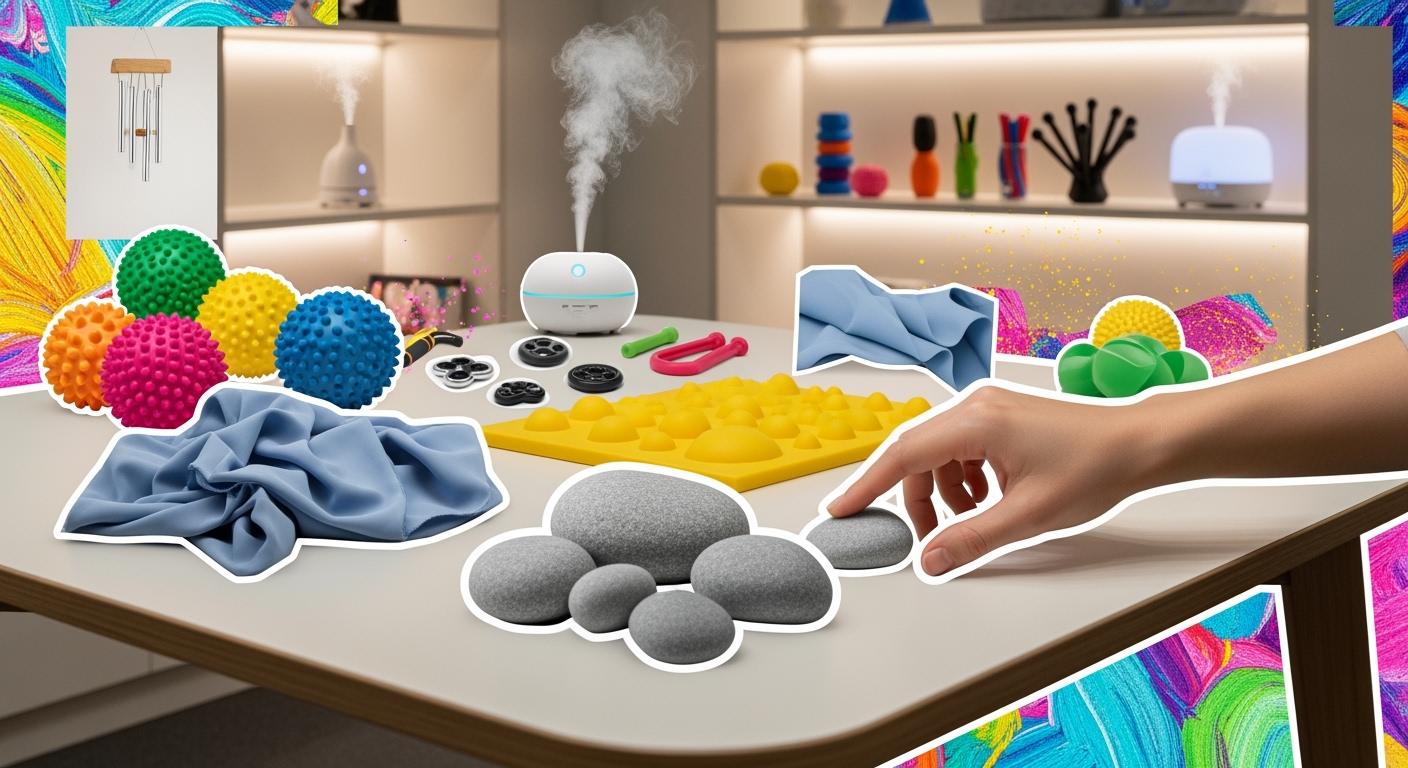
Touchable textures and multi-sensory spaces change how you think about sensory design in 2026. When creating a sensory room, you need real ways to make it fun and effective. Studies show that soft materials and calm colors help people feel better and connect with others. Touch, sound, smell, and color also contribute to a sense of health and inclusion. When you incorporate these elements, your space feels more special and welcoming for everyone.
Key Takeaways
Add different textures like wool and velvet to make the sensory room calm and interesting.
Use things like sound, light, and touch to make the space better and help people feel more connected.
Pick colors carefully. Warm colors can give energy. Cool colors can help people feel calm. Colors can change how people feel and see the room.
Make sure everyone can use the room. Let people change the lights and other things to fit what they need.
Even small and cheap changes can make a sensory room much better. This helps make the room friendly and useful for all.
Sensory Design Foundations
Touchable Textures Explained
Touchable textures change how you feel in a room. Your body feels texture before your brain thinks about it. Wool, velvet, and natural fibers feel soft and nice to touch. These materials can help you relax or wake up, depending on how you use them. Picking the right textures helps the room do its job. Soft carpets and plush seats make a sensory room feel safe and cozy. If you put smooth wood next to rough stone, your senses stay interested.
Tip: Try using many textures in your sensory room. This helps everyone find something that feels good to them.
Multi-Sensory Spaces Overview
Multi-sensory spaces use more than one sense at once. You can see, hear, and touch different things in the room. Clear pictures, nice sounds, and things you can touch make the room feel real. When you mix sight, sound, and touch, you feel more connected to the space. This makes people happier and helps them relax. Many sensory rooms now have soft lights, gentle music, and things you can hold.
Why Sensory Design Matters in 2026
Sensory design is very important in 2026. People want rooms that feel good, not just look good. They want spaces that sound nice and smell nice too. Experts say these ideas are important for sensory rooms:
Principle | Description |
|---|---|
Keep loud and quiet spots apart to control noise. | |
Material Selection | Use things like carpets and tiles to make rooms quieter. |
Personal Space | Give people different seats and private places to feel safe. |
Escape Spaces | Make quiet spots near busy areas for breaks from too much noise. |
Sensory Integration | Mix senses together so everyone feels calm and included. |
Sensory design now uses all your senses, not just your eyes.
You see more layers of light, soft things to touch, and furniture that stops noise.
Smells from candles or diffusers make the room feel special.
Lamps and soft lights make rooms feel warm instead of bright and harsh.
These ideas help you make sensory rooms that are good for everyone. Sensory design makes spaces that welcome all people and fit their needs.
Trends in Sensory Room Design 2026

Tactile and Visible Textures
When you use tactile and visible textures, you can see and feel a big difference in a sensory room. These textures work together to make the room feel friendly. If you put wood, stone, and woven fabrics together, the room looks deeper and more interesting. Natural light or soft lamps show off the details in these materials. Walnut and oak wood, stone with lines, and handmade ceramics are popular choices for 2026.
Using layers of textures gives your room more shape and keeps it peaceful.
Glass with wavy or hammered patterns makes the light softer and looks cool.
Rattan, clay, and lime-wash finishes make the space feel special.
Here are some ways to use tactile and visible textures:
Wall panels with texture let you touch rough grass or smooth acrylic.
Sensory bins let you scoop or pour things and feel different textures.
Floor paths with texture help you notice how your body moves as you walk.
Bubble tubes and fiber optic lights give you something nice to look at and touch.
Projected light walls make it easier to focus and lower stress on your eyes.
Sound-Softening Textiles
Sound-softening textiles are important in sensory design. You want your sensory room to be quiet, not loud. Soft and spongy materials soak up sound instead of bouncing it around. Furniture with soft covers, curtains, and rugs help stop echoes and make the room feel safe. Wool and cotton are natural fibers that add warmth and help with sound.
Material Type | Functionality |
|---|---|
Acoustic panels | Soak up, block, and spread out noise for a quieter room |
Soundproofing materials | Lower bad sounds and make the sensory experience better |
Noise-absorbing flooring | Help control how loud the room is |
Acoustic foam | Cheap and good for stopping echo and noise |
Stretch fabric wall systems | Give flexible and strong sound control |
Acoustic sound diffusers | Spread sound waves for a balanced and natural sound |
Acoustic panels on the wall and ceiling tiles can make echoes and sharp sounds go away. When you use materials that soak up many kinds of sound, the room feels softer. This helps people feel safer and makes the room easier to use, especially for neurodivergent people.
Color Drenching and Immersive Colors
Color drenching is a big trend for 2026. You paint the walls, ceiling, and trim all in the same color family. This makes you feel like you are inside the color and can help you feel calm or full of energy, depending on the color. Deep colors like warm eucalyptus, chocolate brown, and burgundy are favorites. These colors make the room feel put together and full of feeling.
Warm eucalyptus helps you feel calm and refreshed.
Chocolate brown and espresso are new neutral colors that add warmth.
Burgundy and butter yellow make the room feel like you are inside the color.
Aspect | Effect on Mood and Perception |
|---|---|
Warm Tones | Give you energy |
Cool Tones | Help you feel calm |
Texture (Rough) | Feels natural and rustic |
Texture (Smooth) | Feels clean and modern |
Light Temperature | 2700K is cozy, 5000K wakes you up |
Saturation Intensity | Bright colors make you alert, soft colors relax |
Emotional Palettes | Change with themes like mystery, joy, or fear |
Knowing about color psychology helps you make a sensory room that supports health. You can use color to make people feel calm, excited, or warm. When you plan your room with these colors, you change how people feel and how the space works.
Didactic Surfaces for Interaction
Didactic surfaces ask you to touch, move, and learn. These interactive parts are important in sensory design. When you use projectors you can interact with, you mix what you see, hear, and touch. This helps you remember things and stay interested. Sensory tools you can move help stop repeating actions and help you learn by thinking.
Controlled sensory rooms help lower stress and make learning better.
Interactive surfaces let teachers change lessons for different students.
Schools with sensory rooms have fewer problems and more kids joining in.
You can add didactic surfaces with wall panels, touch screens, or things you can move. These features make the room more fun and help you feel part of the space.
Biophilic and Nature-Inspired Elements
Biophilic design brings nature inside. This trend is getting bigger in 2026. You can use things from nature, like textures and colors, to make your sensory room feel calm and alive. Soft linen, wood with texture, and stone rugs make the room comfy. Plants, water, and sunlight bring the outdoors in. These choices help you feel less stressed and focus better.
Sensory Element | Description |
|---|---|
Sight | Calming colors and a mix of light and dark natural shades |
Touch | Soft linen, textured wood, stone, or natural fiber rugs |
Sound | Sounds from plants, water, and soft rooms |
Scent | Smells like herbs, wood, or linen |
Light | Sunlight that changes during the day |
Use as much sunlight and outside views as you can.
Add lots of plants and green things.
Use wood, stone, and fabrics you can touch.
Pick shapes and patterns that look like nature.
Make sensory experiences with light, texture, and color.
Add water or things that move like nature.
Clients now want rooms full of green, not just a few plants. In 2026, you see big, layered nature designs that cover the whole room.
Studies show biophilic design helps people work better, lowers stress, and makes you feel happier. Hospitals with nature-inspired rooms have shorter stays and happier workers. When you use these ideas, you make a sensory room that helps people feel good and enjoy the space.
Sensory Luxury in Interior Design
Sensory luxury means you use all your senses for a rich experience. In 2026, this trend shows up in sensory rooms with fancy materials and smart layouts. Suede chairs, hand-carved wood, and soft rugs made from Tibetan wool or Chinese mulberry silk add comfort and style. Smart controls let you change the lights and temperature for the best feeling.
Use layers like suede and silk for a soft touch.
Pick high-quality materials that make you want to touch them.
Choose lights and chairs that make the sensory experience better.
Plan the room with areas for calming down, relaxing, or being active.
You can also use smells to set the mood. A transition area helps you slow down, while a rest area lets you relax. An active area keeps you busy, and a simulation area gives you real-life experiences. When you design with sensory luxury, you make a space that feels special and supports every part of the experience.
Creating a Sensory Room for All
Inclusive and Adaptive Design
If you use inclusive sensory design, everyone feels safe and welcome. You think about what different people need and can do. You can change the lights to set the mood. Dimmable lights and layers of light stop bright glare. You need both calm and exciting things in the room. This helps people relax or get active. Safe items like fiber optics and bubble tubes make the room fun and cozy.
You can change the lights to fit how you feel.
Calm and exciting things help you feel safe and happy.
Safe and cool features help you feel good and use your senses.
Easy room layouts help people move around without trouble. Personal touches make everyone feel at home. When you use inclusive sensory design, you help everyone feel better.
Co-Design and User Involvement
You get the best room when you let users help design it. Ask people what they like or want to change. Let them pick smells or music for the room. This helps people trust you and use the space more. Inclusive sensory design means you listen and make changes. Multi-sensory design lets everyone share their ideas. When you work together, the room fits what people really need.
Reducing Noise, Odor, and Clutter
You can make the room calm by lowering noise, smells, and mess. Use curtains, foam, or thick rugs to soak up sound. Give people good headphones with special playlists. Make sure it is easy to turn the sound up or down. Put music into calm or active groups. Make a spot for scents to help people relax. Use clear boxes for sensory items so people can see them. Change out items often so the room stays interesting.
Tip: Use nature-like lights, color therapy lights, and lots of senses to keep your sensory room fresh and neat.
When you use inclusive sensory design, the room feels safe, clean, and nice for everyone.
Practical Strategies for Sensory Spaces
Personalization and Flexibility
You can make any room feel special with your own style. Add things that you like and that help you feel calm. Here are some ways to make your space fit you:
Pick decorations and themes that make you feel calm, like ocean or nature scenes.
Make your own sensory tools, like weighted blankets, boxes with textures, or jars with glitter.
Use sensory toys, such as fidget tools or stuffed animals with weight, for comfort.
Put up sensory walls with different textures for you to touch and explore.
Add technology you can use, like floors that sense pressure or panels you can touch.
Keep the room open and safe so you can move around easily.
Use bins to keep sensory tools in order so everyone can find them.
Choose furniture you can change and wide doors so everyone can get in.
Tip: If you use flexible design, your room can change as you do.
Wellness and Mindfulness Features
A sensory sanctuary helps you feel good and calm. You can add things that help you relax and pay attention:
Use lights and sounds you can change to set the mood.
Pick seats that let you move or rest when you want.
Play soft music or white noise to make the room peaceful.
Add smells like lavender or fresh herbs to help you relax.
Mix things you can touch, see, and move for a full sensory experience.
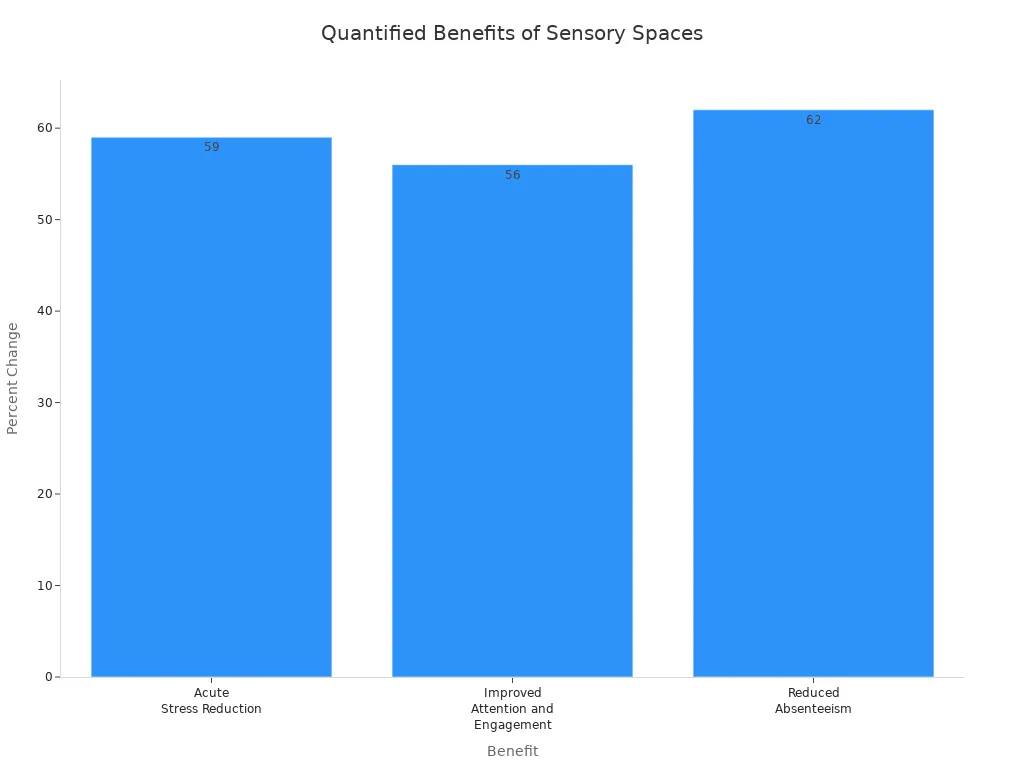
A space with many senses can help lower stress and help you focus. The table below shows how these features help:
Benefit | Evidence |
|---|---|
Acute Stress Reduction | Stress levels dropped by ~59% after a brief 15-minute session. |
Improved Attention and Engagement | A 56% increase in classroom engagement after using a sensory room. |
Mindfulness Works | Mindfulness practices reliably reduce stress and improve focus. |
Reduced Workplace Stress | Short breaks boost mental vigor and reduce fatigue. |
Reduced Absenteeism | Open-plan office workers take 62% more sick days than those in private offices. |
Budget-Friendly Sensory Design Tips
You do not need a lot of money to make a sensory room. Try these easy ideas:
Boil orange peels, cinnamon, or cloves to make a nice smell.
Put dried lavender in small bags around your house.
Crush fresh herbs like rosemary or mint to make calming smells.
Use free apps or YouTube for nature sounds and meditation music.
Open windows to hear birds or rain from outside.
Use a bowl with water and floating candles for soft light.
Play calming sounds from your phone or tablet.
Make potpourri with jars and dried flowers.
Let in more sunlight and lower noise to make the room calm.
Make small changes that fit what you need.
Note: Even little changes can make your room feel like a real sanctuary.
Interior Design Trends for Sensory Spaces

Kitchens and Bathrooms as Sensory Rooms
You can make kitchens and bathrooms into sensory rooms with new design ideas. In 2026, more homes have showers that feel like a spa. These showers use steam, aromatherapy, and colored lights for a full sensory experience. You can add a sauna or cold plunge to your bathroom for extra wellness. These features help you relax and feel fresh.
In the kitchen, layered lighting and calming scents make the space peaceful. Soft textures on chairs and rugs help you feel comfy. Sound-absorbing panels keep the kitchen quiet. This makes it easier to focus and enjoy cooking. Many people want kitchens and bathrooms that help them feel good, not just work well.
Showers with steam and aromatherapy
Chromatherapy lights for mood
Saunas and cold plunges for wellness
Sound-absorbing features for quiet
Soft textures and calming scents
Tip: Try using a small speaker for gentle music or sound. This helps you relax while you cook or take a bath.
Spa-Like Environments with Natural Materials
You can make your home feel like a spa by using natural materials. Wood, stone, bamboo, and rattan bring warmth and texture to your space. Soft textures like wool or cotton make the room cozy. These materials help lower stress and make you feel calm. Plants add life and release phytoncides, which help you feel better.
A table shows how each material helps your senses:
Material | Touch | Sight | Sound |
|---|---|---|---|
Wood | Warm | Natural | Softens sound |
Stone | Cool | Calming | Reduces echo |
Bamboo | Smooth | Fresh | Absorbs sound |
Rattan | Textured | Earthy | Softens sound |
Wool/Cotton | Soft | Cozy | Absorbs sound |
You can use these materials on floors, walls, or furniture. Add plants for a fresh smell and soft sounds from leaves. Use layered lighting to set a calm mood. These design trends help you build a space that supports all your senses. You feel relaxed, focused, and ready for mindful living.
Touchable textures and multi-sensory spaces change how you make sensory rooms in 2026. You build rooms that feel friendly and help everyone. These trends help people feel calm, pay attention, and stay safe. Add new textures, soft colors, and things from nature. You do not need to change everything at once. Even small changes can make a big difference.
Remember: Each thing you do helps your sensory room feel more fun and welcoming for everyone.
FAQ
What is a sensory room?
A sensory room is a special space where you can explore different sights, sounds, and textures. You use it to relax, focus, or feel calm. Many people use sensory rooms at home, in schools, or in therapy centers.
How do touchable textures help in sensory rooms?
Touchable textures help you feel safe and comfortable. When you touch soft, rough, or smooth surfaces, your brain gets calming signals. You can use different textures to relax or wake up your senses.
Can I make a sensory room on a small budget?
Yes! You can use simple items like soft blankets, textured pillows, or homemade sensory bins. Try adding nature sounds from free apps or use natural light. Small changes can make your space feel special.
What colors work best in a sensory room?
You can use soft blues, greens, or warm earth tones. These colors help you feel calm and focused. Bright colors like yellow or orange can give you energy. Pick colors that make you feel good.
Who benefits from a sensory room?
Everyone can enjoy a sensory room. Kids, adults, and seniors use these spaces to relax, focus, or manage stress. People with autism, ADHD, or anxiety often find sensory rooms very helpful.
See Also
Essential Design Strategies for Creating Soothing Sensory Rooms
Best Practices for Crafting Functional Sensory Spaces in Schools
Important Elements of Effective Sensory Rooms for ASD Students
Practical Sensory Room Concepts That Benefit School Environments
Recommended Sensory Room Designs for Children with Unique Needs

