How to Create Sensory Input Activities for Kids at Home
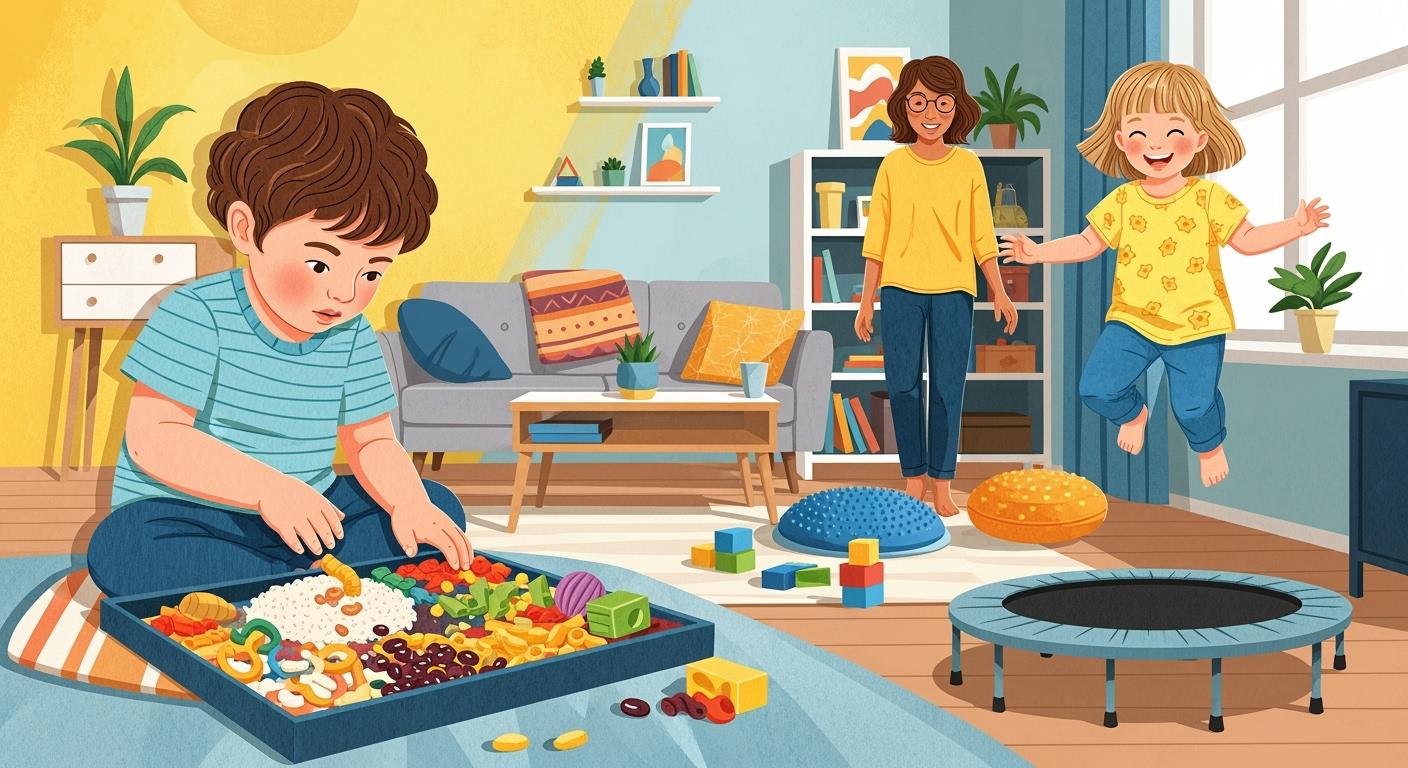
You may think you need special tools for sensory input activities. But you can make great experiences at home. Everyday things can help your child learn and grow. Sensory input activities help kids in many ways. Here are some benefits from recent studies:
Benefit | Source |
|---|---|
Motor Skills | University of Connecticut’s early childhood program |
Cognitive Development | Cleveland Clinic |
Emotional Regulation | Cleveland Clinic |
Social-Emotional Skills | Community Plaything |
Engagement and Focus | Frontiers in Education |
Calming Effect | Cleveland Clinic |
Improved Behavior and Mood | SUNY Cortland |
Every child reacts in their own way to sensory input activities. You know your child best, so you can change each activity for them. Even if your house is busy, you can add sensory input activities to your day. You help your child grow every time you try something new.
Key Takeaways
Sensory input activities help kids build motor skills. They also help with thinking and handling feelings. You can make these activities at home. Use things you already have.
Each child has different sensory needs. Watch your child to see what they like. Change the activities to fit them. This helps them have a good time.
DIY sensory activities can use playdough, rice, or water. These activities help with small hand movements. They also help kids be creative.
Making a sensory-friendly space at home helps kids relax. It also helps them focus better. Use soft pillows and gentle lights. Add sensory tools to make the space nice.
Add sensory play to daily routines. Simple things like pouring snacks can help kids learn. These activities also help with feelings.
Sensory Input Activities for Children
What Are Sensory Input Activities?
Sensory input activities let kids explore their world. They use touch, movement, sound, and sight. You may see your child jump or swing. They might squeeze things too. These activities help kids with autism and adhd. Kids learn new feelings and how their bodies react. Occupational therapists suggest sensory diets and deep pressure activities. They also recommend tactile play and vestibular input. Here are some common techniques:
Technique | Description | Purpose |
|---|---|---|
Deep pressure | Weighted blankets, massages | Calms and organizes the nervous system |
Tactile play | Textured objects, squeezing, brushing | Enhances tactile discrimination |
Sensory diets | Tailored activity schedules | Meet individual sensory needs |
Environmental mods | Lighting, sound adjustments | Reduce overstimulation |
Fidget toys, textured materials | Self-regulation and focus |
Why Sensory Play Matters
Sensory input activities help kids control their senses. They also help kids grow and learn. When you support sensory play, kids build emotional and social skills. Sensory play makes kids curious and helps them solve problems. Kids with autism and adhd often do better with sensory input. It helps them ignore distractions and become stronger. Sensory play uses touch, sight, sound, smell, taste, movement, balance, and space. These activities help kids explore and learn new things.
Tip: Sensory play is more than fun. It helps kids control their feelings and senses.
Identifying Your Child’s Sensory Needs
You can find your child’s sensory needs by watching them. Kids with autism may want to move a lot. They may like deep pressure or dislike loud sounds. Some kids need more sensory input to feel calm. Others react strongly to certain things. Watch for spinning, covering ears, or chewing on stuff. Making a sensory diet helps your child’s needs. It also helps with sensory control. Every child is different, so trust what you see. Change activities to fit your child. Let your child show you what works best.
DIY Sensory Activities at Home
Making diy sensory activities at home is easy and fun. You do not need special supplies. Use things from your kitchen, backyard, or craft box. These activities help your child learn and grow safely.
Tactile Play Ideas
Tactile sensory activities let your child touch and squeeze things. You can use everyday items for tactile play. Try some of these favorites:
Playdough
Kinetic sand
Shredded paper
Ice cubes
Cloud dough (mix flour and oil)
Slime
Rice and beans
Herbs and spices
Leaves
Water
Instant snow
Cornmeal
Foam
Fill a big container with rice, beans, or sand to make a sensory bin. Add scoops, funnels, and small toys. Your child can dig, pour, and sort. This helps build fine motor skills and hand-eye coordination. You can make playdough at home with flour, salt, cream of tartar, oil, water, and food coloring. Playing with playdough makes hands stronger and helps with writing.
Here’s a quick look at some tactile play ideas:
Tactile Play Idea | Materials Needed | |
|---|---|---|
Sensory bins | Large container, rice, beans, sand, scoops, funnels | Fine motor skills, hand-eye coordination, handwriting readiness |
Homemade playdough | Flour, salt, cream of tartar, oil, water, food coloring | Hand strength, pre-writing skills |
Sensory art experiences | Bubble wrap, sandpaper, paint, large paper | Creativity, emotional expression, emotional vocabulary |
You can make a textured book with different fabrics. You can also set up a light table to explore colors and shadows. These diy sensory activities help your child use hands and eyes together. They also help your child think and feel better.
Tip: Always use safe materials. Avoid small parts that could be swallowed. Make sure toys and containers are strong and do not break.
Tactile sensory activities help fine motor skills and pincer grip. They also help with dexterity. When your child molds clay or squeezes foam, they get stronger. This helps with writing and buttoning clothes.
Proprioceptive Activities
Proprioceptive activities help your child know how their body moves. You can use things you have at home for these activities. Heavy lifting and resistance exercises, like carrying laundry baskets or pushing boxes, help your child feel calm and aware.
Movement tasks are easy to add to your day. Crawling through a tunnel made from chairs and blankets is fun. Jumping on a mattress or doing wheelbarrow walks also give good feedback. Chair push-ups and rocket jumps (crouch and leap) build strength.
Here are some safe ways to jump and swing at home:
Jump on a trampoline or mattress
Do star jumps and jumping jacks
Bounce on a small therapy ball
Use hopper balls with handles
Push someone on a swing
You can make a sensory obstacle course in your living room. Use cushions, chairs, and blankets for tunnels, balance beams, and jumping spots. These activities help your child pay attention, feel less anxious, and improve posture and coordination.
Water Play and Sensory Bins
Water play and sensory bins are easy diy sensory activities. They give lots of fun. Fill a bin with water and add fruit slices, herbs, or pasta. Ice cubes let your child feel cold. Applesauce, citrus slices, cooked pasta, chia seeds in water, and heat-treated flour are good fillers.
Sensory bins help with scooping, pouring, and sorting. Your child learns about volume, floating, and guessing amounts. These activities build fine motor and gross motor skills. Water play also calms your child and helps with feelings.
Here’s a table showing how sensory bins and water play help your child grow:
Developmental Area | Benefits |
|---|---|
Cognitive Development | Problem-solving, estimation, buoyancy, volume concepts |
Social Development | Sharing, taking turns, collaboration, empathy |
Emotional Development | Calming effects, emotional regulation |
Physical Development | Fine motor skills (scooping, pouring), gross motor skills (movement) |
Curiosity and Inquiry | Stimulates questions, scientific thinking, critical thinking |
Change the fillers in your sensory bins to match your child’s likes. Add small toys, spoons, or funnels. These diy sensory activities keep your child interested and curious.
Nature Walks and Sensory Gardens
Nature walks and sensory gardens let your child explore outside. You can make a sensory garden in your yard or on a balcony. Use plants with different colors, textures, and smells. Add soft ground for little kids and stepping stones for older ones. Put in flowers that smell nice and things that make sounds, like wind chimes.
Nature walks let your child touch leaves, smell flowers, and hear birds. These activities help with sensory integration, especially for kids with sensory challenges. Natural places help your child feel better and stay healthy. Time in nature lowers stress, builds confidence, and helps with behavior.
Here are some best practices for designing a sensory garden:
Use many colors and textures
Make spaces for different ages
Add things for all five senses (smelly plants, water, rough surfaces)
Encourage exploring and sensory awareness
Help with feelings and calmness
You can make tactile panels with different materials for your child to touch. Playing in a sensory garden often helps with balance, coordination, and health. Kids who spend time in green spaces are happier and healthier.
Note: Always check for safety when outside. Make sure plants are safe and paths are clear.
Visual sensory activities can be part of your garden. Use bright flowers, shiny stones, or mirrors to reflect light. These things make your garden fun and help your child focus and relax.
Using things from home and nature, you can make diy sensory activities that fit your child. Sensory activities at home do not have to be hard. You just need some creativity and a willingness to try new things.
Adapting Sensory Activities for Different Ages
Activities for Toddlers
Toddlers need safe and fun sensory activities. Make a quiet spot with soft mats or blankets. Try using play dough, shredded paper, or water. Let your toddler touch and play at their own speed. You can join in and talk about what you both feel. This helps your child learn new words. Keep things easy and use only a few items. Finger paint and music are good choices. Nature walks are also great for toddlers. They can touch leaves, hear birds, and see bright colors. Change toys and materials often to keep things interesting. Watch your child and change things if they need something different.
Here’s a quick checklist for toddler sensory play:
Make a safe play area.
Use different materials.
Let your child lead.
Keep activities simple.
Talk and listen together.
Stay close and join in.
Use many senses at once.
Try ideas from nature.
Switch out toys often.
Watch and change as needed.
Ideas for School-Aged Children
School-aged kids need sensory activities to help them focus. Sensory tools like ball chairs or fidget toys are helpful. Heavy work like carrying baskets or pushing boxes is good too. Make a quiet spot or reading corner for breaks. Jumping, stretching, or yoga help with focus and self-control. Mindfulness and calming activities help with feelings. Sensory breaks let your child relax when things get too much.
Try heavy work like carrying or pushing things
Make a quiet spot for breaks
Add movement and mindfulness activities
Adjusting for Sensitivities
Some kids react strongly to sounds, lights, or textures. You can help by making small changes at home. Keep rooms tidy and control the lights. Use chew toys or ear defenders if needed. Make a quiet spot with soft cushions and weighted blankets. Routines and visual schedules help lower stress. Give your child breaks with movement or touch activities. If your child feels upset, let them go to a calm place.
Strategy | How It Helps |
|---|---|
Changing the space | Stops sensory overload |
Using routines | Makes kids feel less worried |
Sensory tools | Helps kids stay calm |
Quiet spots | Gives a break when needed |
You know your child best. Watch for signs they are not comfortable. Change activities if your child needs something different. Small changes can really help.
Creating a Sensory-Friendly Space
Setting Up a Sensory Corner
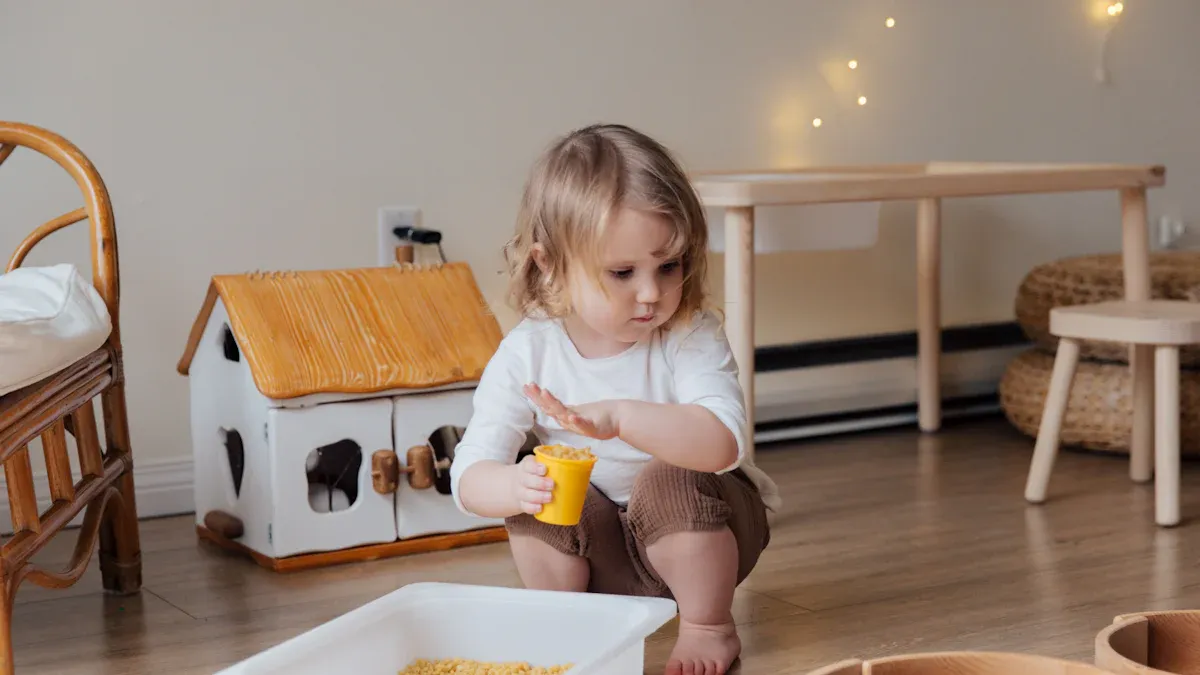
You can make a sensory-friendly space at home. Find a quiet spot in your house. Choose a place where your child feels safe. Add soft cushions, bean bags, or a small tent. Use gentle lights like lamps or string lights. This helps the space feel calm. You can put in a swing or balance board for movement. Fill the area with things like weighted blankets and fidget toys. Add tactile objects for your child to touch. Keep the space neat so it does not get too busy. Let your child help pick decorations and tools. When your child helps, the space feels special. Sensory-friendly spaces help kids relax and focus. They also help kids handle their feelings. Many families say these corners lower stress and help kids pay attention.
Tip: Sensory corners can help calm your child. They also help with focus and feelings.
Using Visual Schedules
Visual schedules are helpful in a sensory-friendly home. You can use pictures, charts, or cards to show what happens next. Hang the schedule where your child can see it. Visual schedules help your child know what is coming. They make changes and transitions easier. Routines feel less stressful and more clear. Kids with sensory challenges feel less worried when they know the plan. Visual schedules help kids be more independent. They also help with good behavior. You can update the schedule together each morning. This helps your child feel ready and organized.
Visual Schedule Benefits | How It Helps Your Child |
|---|---|
Less worry | More predictability |
Better communication | More independence |
Good behavior | Easier daily routines |
Integrating Sensory Play into Routines
You can add sensory play to daily routines at home. Try pouring, scooping, or sorting during snack time. Use tactile toys before bed to help your child relax. Sensory play in routines helps your child get used to new feelings. This builds problem-solving, memory, and language skills. It also helps with fine motor skills and coordination. Playing together during routines helps with social skills and feelings. When you add sensory play to daily life, your child learns to handle emotions. Your child also gains confidence. You can change activities to fit your child’s needs. This makes your sensory-friendly space comfortable and helps your child grow.
Note: Small changes in routines can help a lot. Sensory play helps your child feel safe and happy at home.
You know your child better than anyone else. Try out different sensory activities at home. See which ones make your child happy. Watch how your child acts when jumping or playing with kinetic sand. Notice what happens when they explore water bins. Change your sensory play area to fit your child’s needs. Add routines that work for your family. Doing sensory play often helps with motor skills and emotions. It also helps with problem-solving and language. Every small thing you do helps your child grow.
Every child makes progress in their own way. Celebrate each new step and keep trying new things together!
FAQ
How often should you do sensory activities with your child?
You can try sensory activities every day. Short sessions work best. Watch your child’s mood and energy. If your child seems tired or overwhelmed, take a break.
What if your child dislikes a sensory activity?
You can switch to another activity. Every child has different likes. Let your child choose what feels good. You can try again later or change the materials.
Can you use sensory activities for older kids?
Yes! Older kids enjoy sensory play too. You can offer more complex activities like cooking, gardening, or art projects. Ask your child for ideas and let them help plan.
Are sensory bins safe for toddlers?
Sensory bins are safe if you use large, non-toxic items. You should always watch your child during play. Avoid small parts that could be swallowed.
How do you know if a sensory activity helps your child?
You can watch for signs like calmness, smiles, or better focus. If your child seems happy and relaxed, the activity works. You can keep notes to track progress.
See Also
10 Engaging Sensory Activities You Can Try at Home
Ways to Design Exciting Christmas Sensory Activities for Students
Innovative Ideas to Promote Learning Through Sensory Play Mats
