How to Create a Sensory House for Children with Autism
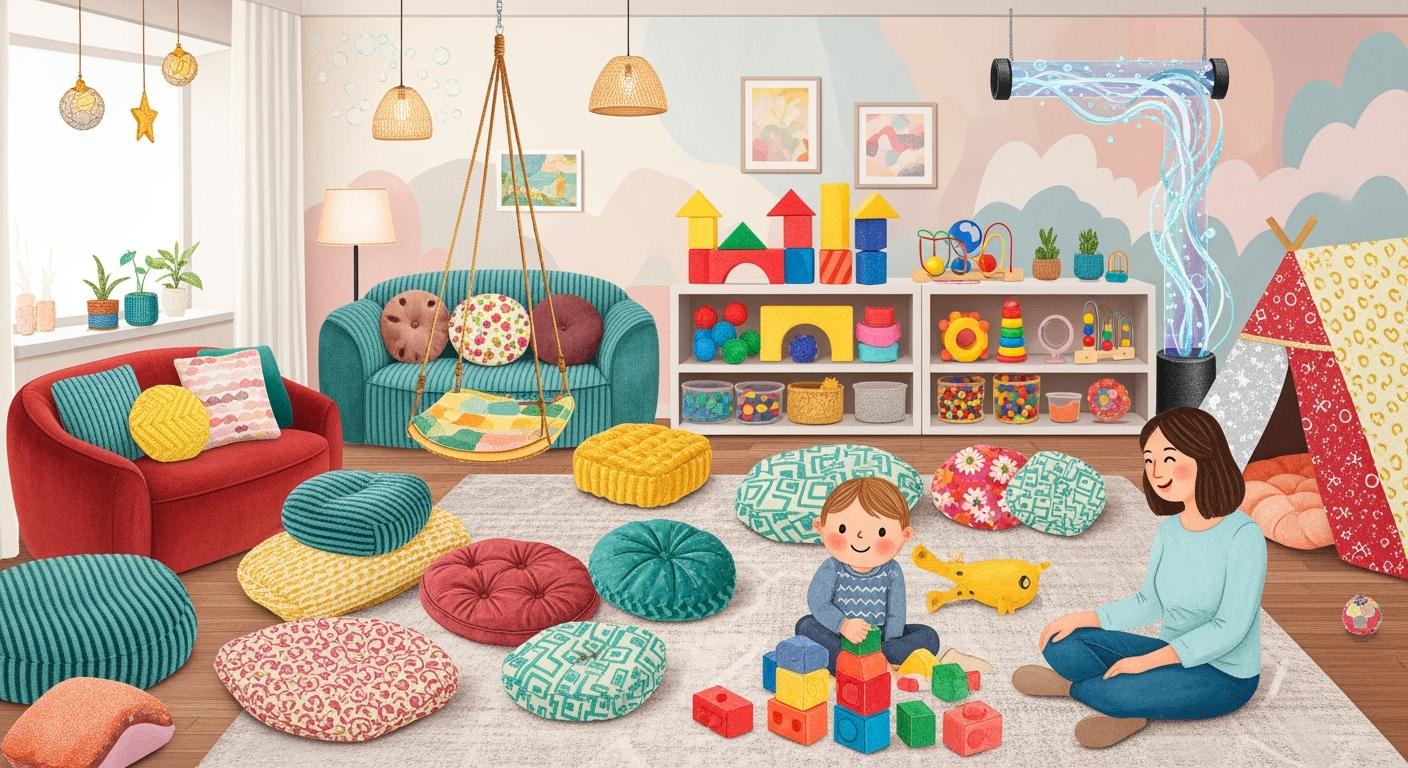
A sensory house gives autistic children a safe place. They can explore, relax, and learn there. Many autistic children have trouble with sensory processing at home. This can make them feel overwhelmed. If you make your home sensory-friendly, your child feels safe. Your child also feels comfortable.
Benefit | Description |
|---|---|
Reduces Sensory Overload | Sensory-friendly spaces help lower sensory overload. This can stop distress. |
Promotes Emotional Regulation | These spaces help kids control their emotions. They give a calm place to be. |
Enhances Quality of Life | Kids feel more comfortable and join in more activities. |
Encourages Independence | Supportive spaces help kids explore and gain confidence. |
Fosters Participation | These places lower anxiety and help kids focus better. |
Each child has their own sensory needs. You can make a sensory house that fits your child. It can help your child use their coping skills. You do not need a lot of money. You just need to change your home for your child.
Key Takeaways
A sensory house gives autistic children a safe place. They can explore and relax there. It helps them handle sensory overload.
Making a sensory-friendly space can help your child feel calm. It can also improve their life.
Add soft lights, comfy chairs, and touch activities. These things make calm areas for your child's sensory needs.
Use visual supports like schedules and social stories. These help your child know routines and feel less worried.
Small, cheap changes can help a lot. Focus on what helps your child most. Let your child help with the changes.
Understanding Sensory Needs in Autism
Sensory Processing Basics
Your child may react a lot to sounds or lights. Some children with autism process senses in a different way. Sensory processing is how the brain handles things we see, hear, or feel. Bright lights or loud noises can be too much for some kids. Other kids like to move or touch things more. These are called sensory processing challenges. Almost 90% of autistic kids have these challenges. Sometimes, your child wants more action. Other times, they stay away from certain things. Sensory processing disorders can make daily life hard.
Category of Sensory Processing | Description |
|---|---|
Taste and Smell Sensitivity | Kids notice tastes and smells more. |
Underresponsive and Sensation Seeking | Kids want more action and do not react much. |
Movement Difficulties with Low Energy | Kids have trouble moving and feel tired. |
Little Difficulty in Sensory Processing | Kids have few problems with senses. |
Difficulties in All Areas of Sensory Processing | Kids have big problems with all senses. |
Common Sensory Challenges
Kids with autism have special sensory challenges. Your child may cover their ears when the vacuum is on. They may jump when they hear a car horn. Loud noises can hurt their ears before others notice. Many kids want more action but also avoid some things. Over 96% of autistic kids have strong or weak senses in more than one way. These problems can change how kids act and do things every day.
"High sounds like whistles hurt my ears. Sudden sounds like a car horn and loud sounds like a vacuum cleaner or lawn mower."
"Loud, high pitch noises hurt my ears before most people notice."
Statistic | Description |
|---|---|
60% | Autistic kids with anxiety have strong reactions to senses. |
40% | Autistic kids meet the rules for anxiety. |
90% | Autistic kids with sensitive senses also have anxiety. |
Importance of a Sensory-Friendly Environment
You can help your child feel safe and calm at home. A sensory-friendly space lowers stress and helps kids feel better. Quiet places, calming tools, and special things to touch or see help a lot. When you make a low sensory space, you help your child feel safe. These spaces also help kids handle their senses better. You can add things like water or plants to relax your child. Keeping things the same helps your child feel safe. Play areas that change let your child explore and meet their needs. A sensory-friendly home can help kids feel better, focus, and learn new skills.
Creating a Sensory House: Key Elements
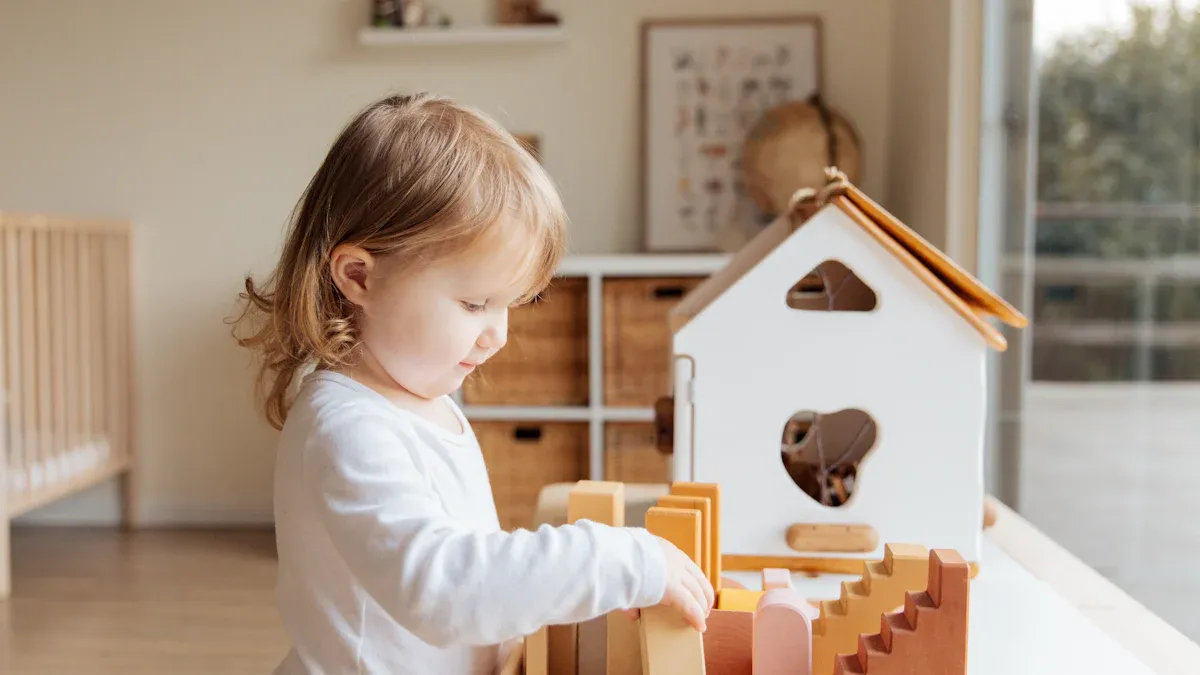
When you design a sensory house, think about what helps your child feel safe. You do not need expensive things or a lot of money. Focus on a few important features that help children with autism.
Soft Lighting and Calm Spaces
Lighting can change how your child feels. Bright lights can make your child feel stressed or give headaches. Soft lights can make the room peaceful. You can use lamps that change colors or bubble tubes. Gentle projectors can show calming pictures on the wall. LED strips and lights that act like sunlight also help make the room calm.
Tip: Use more than one light in a room. This lets you control how bright and what color the lights are.
Calm spaces are important too. Make a quiet corner with soft pillows or weighted blankets. You can use a small tent for a cozy spot. Add a diffuser for nice smells or wall panels with different textures. Swings, toys you can touch, and bubble tubes help your child relax. Calm zones give your child a safe place when things feel too loud.
Comfortable Seating and Tactile Activities
Seating is very important for kids with autism. Some kids like deep pressure. Others want to move around. Try different seats:
Weighted chairs give deep pressure.
Wobble chairs let kids move a little.
Rocking chairs or swings help kids feel calm.
Standing desks let kids move while working.
Bean bags or soft cushions are good for relaxing.
Tactile activities help your child learn and explore. You can make bins with rice, sand, or water. Let your child play with stress balls or finger paint. Shaving cream is fun to touch. Sensory walks let your child step on different textures.
Tactile Activity | Benefit |
|---|---|
Sensory Walks | Feel new textures, hear sounds, smell scents |
Sensory Bins | Touch and sort different things |
Stress Balls | Squeeze to make hands stronger |
Finger Painting | Helps small hand movements |
Sand/Water Play | Helps kids discover and try new things |
Note: You can use things you already have, like beans, fabric, or old pillows.
Auditory and Visual Supports
Many kids with autism react to sounds. You can help by using headphones or earplugs when it is noisy. White noise machines or soft music can block loud sounds. Curtains and rugs help keep rooms quiet.
Visual supports help with routines. Use picture cards or charts to show what happens next. Timers help your child know how much time is left. Social stories explain new things. These tools help your child feel less worried.
Support Type | Description | Benefits |
|---|---|---|
Charts with pictures for daily tasks | Makes things clear and helps kids be independent | |
Picture Cards | Show choices or steps | Makes talking easier |
Countdown Timers | Show time left | Help kids get ready for changes |
Social Stories | Explain rules or new events | Help kids understand better |
Hang visual aids where your child can see them easily.
Safety and Organization
Safety is very important in a sensory house. Kids with autism may wander or get hurt if the space is not safe. Use locks, alarms, or fences to keep your child safe. Pick soft furniture and mats that do not slip. Curtains and rugs help keep outside noise low.
Organization helps your child know where things go. Use clear bins for toys and supplies. Put labels with pictures or words on shelves. Keep a quiet area with calming things like weighted blankets or fidget toys. This helps your child find what they need and feel in control.
Modification Type | Description |
|---|---|
Lighting Adjustments | Use dim lights and warm bulbs for a calm feeling |
Soundproofing | Curtains and machines that lower noise |
Safe Spaces | Rooms with calming things for breaks |
Organizational Tips | Clear bins and charts to lower stress |
Color Choices | Soft blue and green colors help kids relax |
Furniture/Layout | Low, soft furniture for safety and comfort |
Bathroom Modifications | Mats that do not slip and controls for water temperature |
Outdoor Spaces | Fenced play areas with sensory features |
Remember: A calm zone or private sensory area is very important. Your child needs it to feel good.
If you focus on these main ideas, you can make a sensory house that helps your child every day. You do not need to do everything at once. Start with small changes. See what works best. Build a space where your child feels safe and happy.
Sensory Room and Sensory-Friendly Spaces
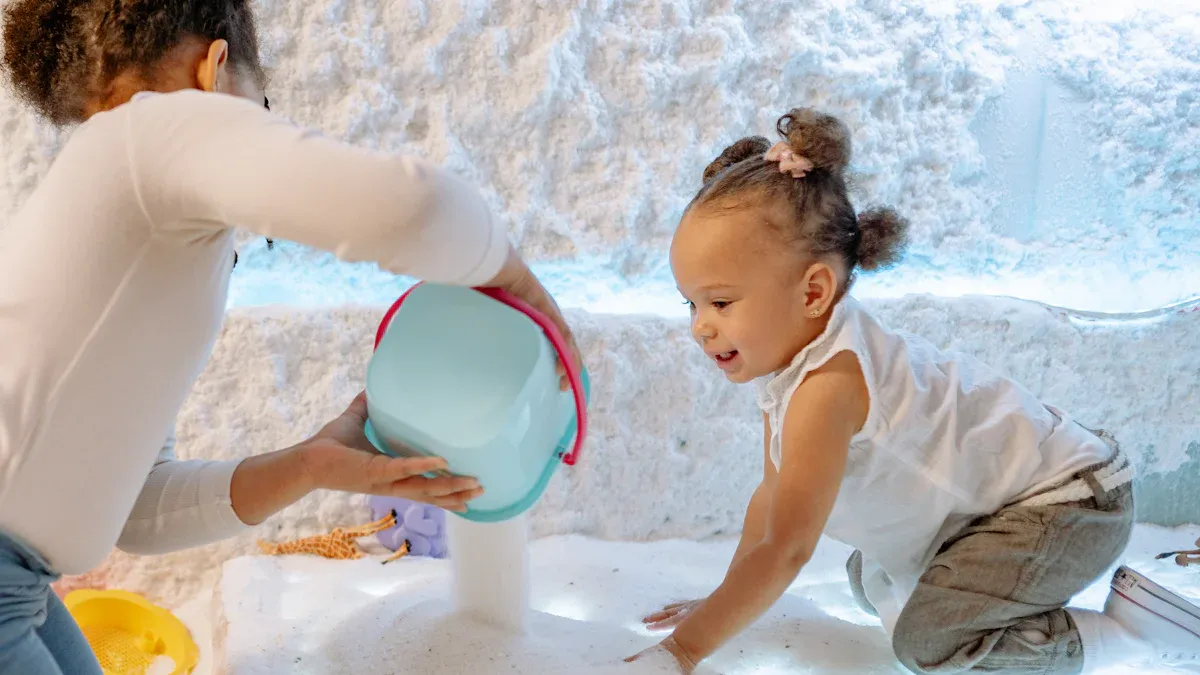
Flexible Sensory Room Ideas
You might think you need a big house to create a sensory room, but you can make one in any space. Start by picking a corner or a small room. Use mobile furniture so you can move things around for different activities. Try adjustable lighting to set the mood. Soft blues and greens on the walls help your child relax. You can add soundproofing with rugs or curtains to keep things quiet.
Here are some flexible ideas for your sensory room:
Use a crash mat for jumping or relaxing. You can move it or store it easily.
Hang a tunnel that folds up when you finish.
Try a climbing wall or vertical surfaces for drawing and playing.
Add balls for sitting or rolling.
Weighted blankets or lap pads give deep pressure without taking up space.
Let your child choose which sensory tools to use. This gives them control and helps them feel calm.
Setting Up a Sensory-Friendly Space
You can turn any area into a sensory-friendly space. Start with a calm down corner. Throw pillows, a heavy blanket, and stuffed animals make it cozy. Use a foam play mat for safe flooring. Hang up Christmas lights for gentle lighting. If you have a small room, use wall space for activities. Try interactive walls or bubble tubes for fun and learning.
A sensory room works best when you create zones. Set up one area for relaxing, one for active play, and one for exploring. Use clear bins to organize sensory tools. This helps your child find what they need.
Tip: Let your child help set up the sensory-friendly space. They will feel proud and more comfortable.
Tools and Materials for Sensory Zones
You do not need expensive items to fill your sensory room. Many sensory tools are easy to find or make at home. Here are some ideas:
Fidget toys, textured balls, and sensory bin fillers
DIY crash mats made from a duvet cover and pillows
Pool noodles as balance beams
Laundry baskets or small pools filled with balls for a ball pit
Old baby wraps turned into a sensory swing
Foam tiles or soft rugs for safe play
Bubble wands and light projectors for visual fun
You can also check online marketplaces for used sensory tools. Look for items that serve more than one purpose. Make your own sensory boards with fabric, buttons, or textured paper.
Adaptation Feature | Benefits |
|---|---|
Mobile Furniture | Move and change your sensory room easily |
Adjustable Lighting | Set the right mood for your child |
Zoning Areas | Create spots for relaxing, playing, and exploring |
A sensory-friendly space does not have to be perfect. Start small and add more sensory tools as you learn what your child likes. Your sensory room will grow with your child’s needs.
Routines, Predictability, and Family Involvement
Making your home sensory-friendly is more than just changing rooms. You also need to use routines and work together as a family. Visual supports help your child know what to expect. These things help your child feel safe every day.
Visual Schedules and Social Stories
Visual schedules show your child what will happen next. They help your child get ready for changes. You can use pictures, charts, or simple drawings. Social stories explain new rules or events in a way your child understands. These tools make routines easier and help lower stress.
Benefit of Visual Schedules | Description |
|---|---|
Helps your child see what will happen during the day. | |
Eases Transitions | Prepares your child for changes and reduces anxiety. |
Builds Independence | Lets your child follow routines without needing reminders. |
Supports Learning and Predictability | Makes it easier for your child to process and remember routines. |
Reduces Meltdowns | Gives your child a sense of control and lowers the chance of overwhelm. |
Tip: Put visual schedules where your child can see them. Try the fridge or bedroom door.
Daily Sensory Activities
You can add sensory activities to your daily routine easily. Try playing with dry rice, sand, or play dough. Listen to music or play with small instruments together. Movement is important too. Let your child jump, swing, or balance on a soft mat. These activities help your child explore their senses and feel calm.
Touch: Play with rice, sand, or play dough.
Sound: Listen to music or shake a rattle.
Movement: Use a body sock or balance on a cushion.
Activity Type | Description | Benefits |
|---|---|---|
Everyday Items | Use things you have at home for sensory play. | Sparks creativity and curiosity. |
Movement | Swing, jump, or dance every day. | Builds strength and balance. |
Tactile | Finger paint or play in a sensory bin. | Grows fine motor skills and thinking. |
Family Support and Adaptation
You help your child succeed by joining in and planning together. Families who work as a team support their children more. You can change routines or the environment to fit your child’s needs. Talk with each other and share ideas often. Your support helps your child feel safe and ready to try new things.
Note: Every family is different. Keep trying new ideas until you find what works best for your child.
You can create a sensory house by making small changes—adjust lighting, organize spaces, and add calming tools like weighted blankets or soft pillows. Every child is different, so try new ideas and see what works best. Keep watching how your child reacts and change things as they grow. Family support makes a big difference. Remember, even a cozy corner can help your child feel safe and happy. 🌟
FAQ
What if I have a small home or apartment?
You can still create a sensory-friendly space! Use a corner, closet, or even a tent. Soft lighting, pillows, and a few sensory tools make a big difference. Small changes help your child feel safe and calm.
How do I know which sensory tools my child needs?
Watch how your child reacts to sounds, lights, and textures. Try different items like fidget toys, weighted blankets, or soft lights. Ask your child what feels good. You can also talk with an occupational therapist for ideas.
Can I make a sensory house on a tight budget?
Absolutely! Many sensory tools are DIY. Use things you already have, like rice bins, old pillows, or fabric scraps. Check thrift stores or online marketplaces for deals. The most important thing is making your child feel comfortable.
How do I keep the sensory house safe?
Safety comes first!
Use soft furniture, cover sharp corners, and lock doors or windows if needed. Store small items out of reach. Always check toys and tools for damage. Your child’s safety matters most.
See Also
Creating A Sensory Gym Space For Kids With Autism
Ten Innovative Sensory Room Concepts For Autistic Children
Benefits Of A Sensory Room For Autistic Kids
