Sensory class journeys for every unique child
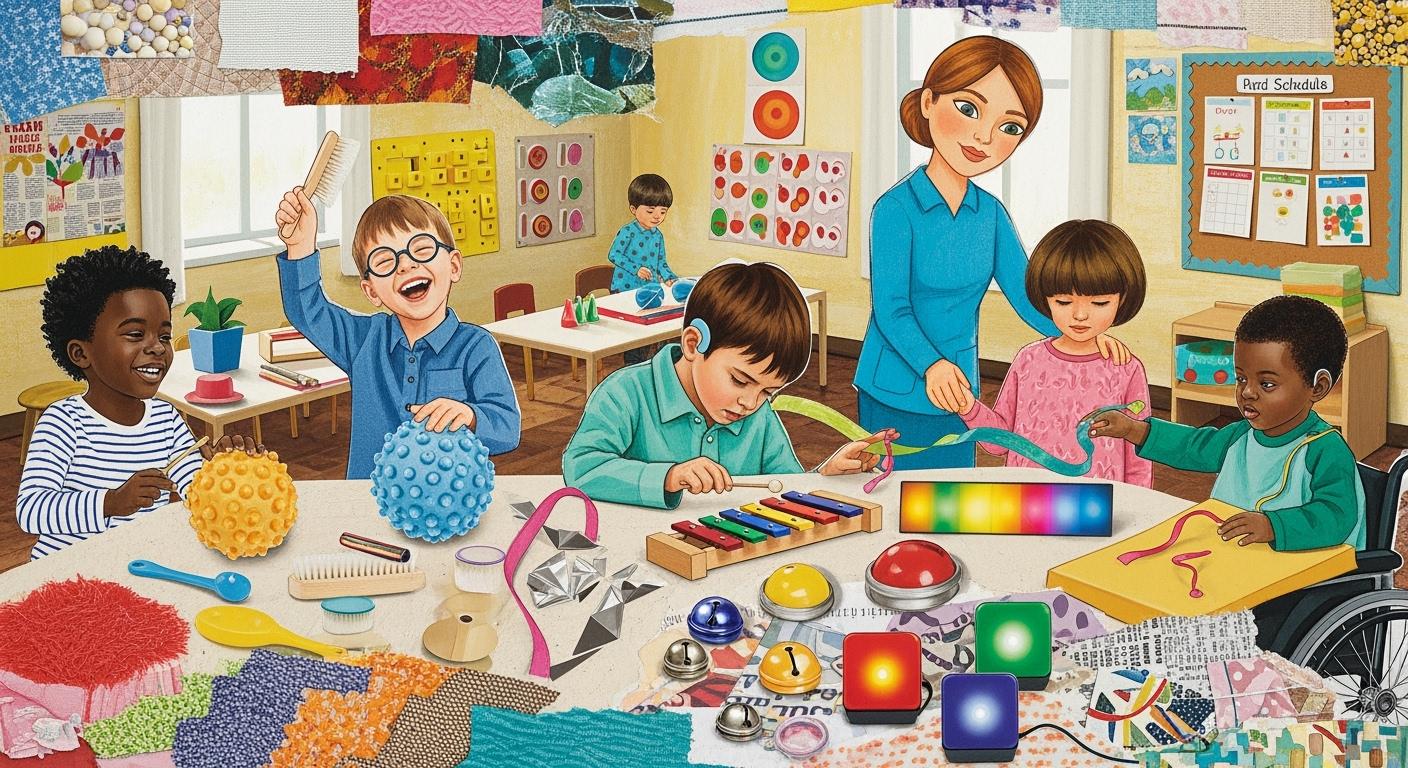
You want your child to do well. But learning about their sensory needs can be hard. Many kids have sensory differences. These differences change how they act at school or home. You might notice your child likes to move a lot. They may have trouble with loud sounds. They might need help with Fine Motor Skills and Gross Motor Skill activities. These problems can make daily life and learning harder.
Parents often find it hard to know which sensory strategies help. This is especially true when kids have strong reactions to sensory input.
When you look for a sensory class, check the classroom setting. Look at the teacher’s skills. Notice what activities are included.
About 39.7% of kids worldwide have unusual sensory processing.
For kids with autism spectrum disorder, this number goes up to 44.4%.
For kids who develop typically, sensory processing problems happen in 3% to 16% of them.
Trust yourself because you know your child best. You can choose sensory strategies, like a sensory diet, that fit your child. Take it one step at a time.
Key Takeaways
Watch how your child acts with sensory things. Notice how they react to sounds, textures, and places. Write down what you see each time.
Talk to experts like occupational therapists for advice. They can help you find sensory strategies that work. They may make a sensory diet for your child.
Pick a sensory class that has a set routine. A schedule that stays the same helps kids feel safe. It also lowers their stress.
Find teachers who know about sensory processing. Their special training can help your child learn better.
Stay active and talk often with teachers. Keep checking to make sure the class fits your child's needs as they change.
Understanding Your Child’s Sensory Profile
Observing Sensory Behaviors
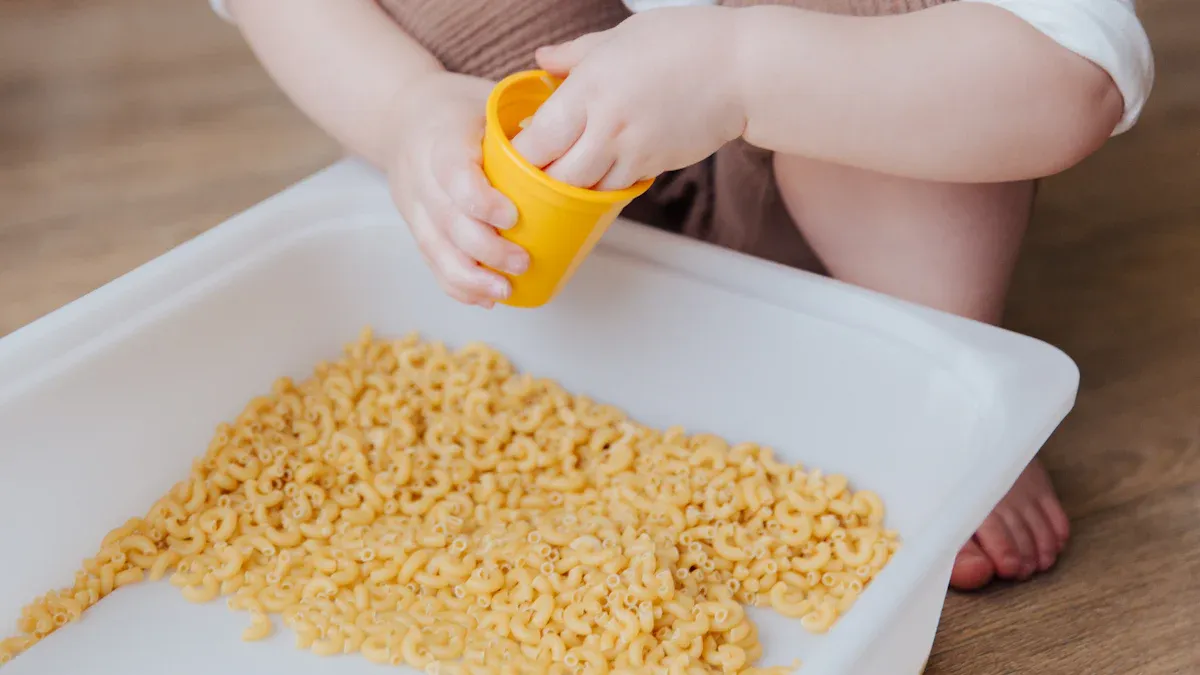
You know your child well. Watch how they react to things around them. Notice what happens when they hear loud noises. Pay attention when they touch different textures. Do they like to move or avoid busy places? Try to watch your child at home, school, and the playground. You can use easy tools to keep track of what you see. For example:
ABC data collection shows what happens before and after a behavior.
Scatterplots help you find patterns over time.
Interval recording counts how often a behavior happens in a set time.
Write down what you notice. This helps you see patterns and share with people who help your child.
Consulting Professionals
Sometimes you need help to understand your child’s sensory needs. Occupational therapists or teachers with sensory integration certification can give advice. These experts know how to make plans for kids with sensory processing needs. They can show you how to use a sensory diet or other supports at home and school. Look for people trained in sensory integration. They can help you talk and plan.
Here are some common assessment tools:
Assessment Tool | Description |
|---|---|
Sensory Profile 2 | Standard tool to check a child's sensory processing in different places. |
Sensory Profile | Helps you learn about a child’s sensory patterns and how they affect daily life. |
Sensory Profile | Norm-referenced test to find sensory patterns and their effects on performance. |
Identifying Strengths and Challenges
Every child has their own sensory strengths and challenges. Some kids love sensory activities and join groups with excitement. Others stay away from bright lights or loud sounds. You might see your child ask for hugs or like spinning. Some kids with sensory processing disorder have trouble with balance or new things. Here are some signs to look for:
Type of Challenge | |
|---|---|
Hypersensitivity | Avoiding bright lights, loud sounds, busy places, or certain food textures. |
Hyposensitivity | Not bothered by sounds, lights, pain, or risky activities. |
Sensory Craving | Wanting tight hugs, liking loud music, using tall swings, or touching things. |
Sensory Discrimination Disorder | Mixing up words that sound alike, using too much or too little force. |
Postural Disorder | Slouching, tripping, or leaning on things for support. |
Childhood Dyspraxia | Having trouble tying shoes, zipping jackets, crawling, walking stairs, or writing. |
When you know your child’s sensory profile, you can pick activities and strategies that fit. This helps your child feel safe, learn new things, and enjoy time with others.
Sensory Class Features to Look For
Class Structure and Routine
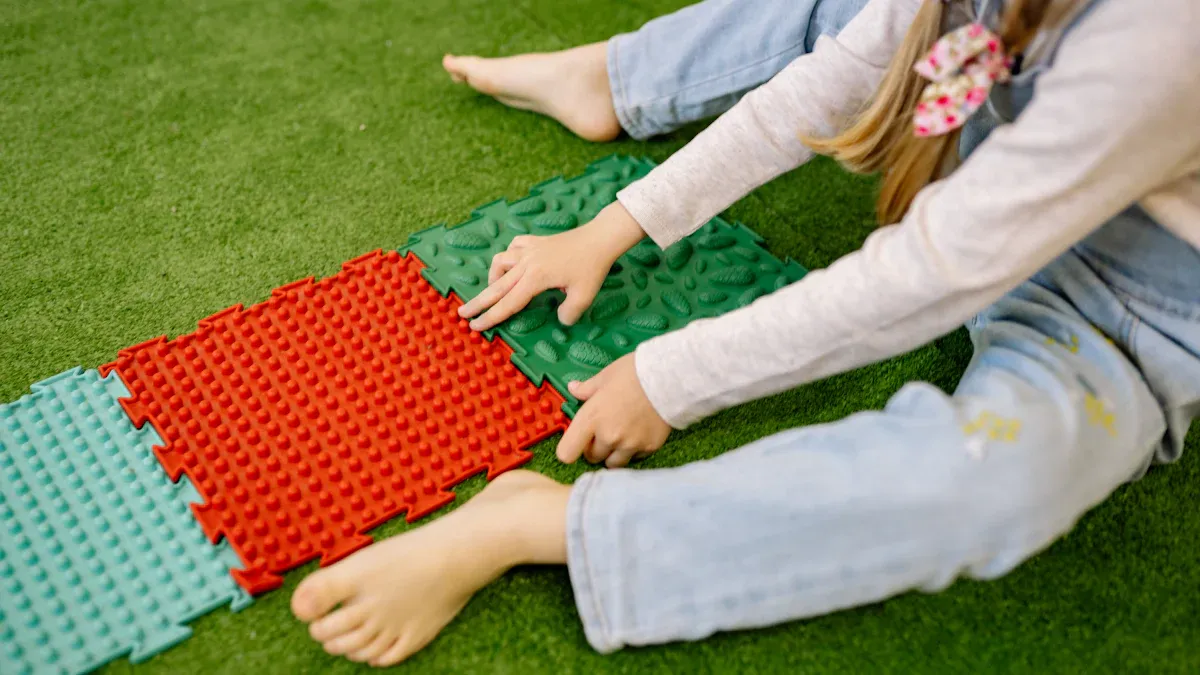
You want your child to feel safe in class. The way the class is set up is important. Kids with sensory processing challenges do better with routines. They like knowing what will happen next. Starting with a morning activity helps them get ready. Ending with a calming session helps them relax. When you visit, ask about the daily schedule. Does the class use a visual timetable? Are there clear steps between activities? These routines help kids feel less stressed.
A good sensory class has many activities. You might see themed sensory kits for each lesson. For example, an ocean lesson could use water tables and shells. Some classes use gel mats or sealed sandboxes to keep things neat. Teachers may use sensory bottles to help kids talk about feelings. Here are some things that make a class great:
Feature | Description |
|---|---|
Integration of emotional learning | Tools like sensory bottles help kids talk about emotions. |
Themed sensory kits | Fun kits match the lesson and keep kids interested. |
Low-mess products | Gel mats and sealed sandboxes help keep the room clean. |
You can ask teachers how they use these tools for your child.
Instructor Expertise in Sensory Processing
The teacher matters a lot. You want someone who understands sensory processing challenges. Look for teachers with special training. Many take a Foundations of Development course. This is for occupational therapists, speech-language pathologists, and special education teachers. Some finish a CPD-Accredited Sensory Play Course. This shows they know how to use sensory strategies.
Ask the teacher about their experience. Do they know how to make a sensory diet? Can they change activities for different needs? Good teachers share examples of how they help kids. They work with you to make sure your child feels safe.
Foundations of Development Course
CPD-Accredited Sensory Play Course
These show the teacher can help your child.
Environment and Comfort
The classroom affects how kids feel and learn. You want a space that is safe and calm. The right room helps kids feel secure. It also lets them explore and play. Kids need choices. Some join group activities. Others need a quiet spot.
A sensory corner helps kids who feel overwhelmed. This area should be away from busy parts of the room. It might have soft lights, calming tools, and less noise. Only one child should use it at a time. This helps kids calm down and join class when ready. The classroom should help all kids, even those with sensory processing challenges.
Here is what research says about classrooms:
Study Findings | Description |
|---|---|
Negative Impact | Bad classroom spaces can hurt social and emotional growth. |
Long-term Effects | The classroom can shape a child’s growth for years. |
Social Overlap | The sensory and physical space connects with social experiences. |
You can ask if the classroom has a sensory corner or calming spaces. These help kids feel comfortable and manage their needs.
Social Interaction Opportunities
Kids learn best when they connect with others. Social interaction is important in sensory classes. Some kids with sensory processing challenges, like autism, may find group activities hard. Good classes use strategies to help kids build social skills. Teachers use sensory integration activities for teamwork and sharing.
When you visit, watch how kids interact. Do they work together? Are there group games for everyone? The Ayres Sensory Integration theory says sensory and social skills are linked. When kids get help with sensory needs, they can join in and make friends.
Atypical sensory functioning can make socializing harder.
Helping sensory needs can improve social skills.
Sensory integration helps kids join group activities.
You want a class that values learning and friendship. Ask how the class helps kids talk and move during group time. Good strategies help your child grow in every way.
Matching Sensory Strategies for the Classroom
Types of Sensory Classes
You want to pick the best class for your child. Sensory classes are not all the same. Some help kids react to sounds or textures. Others help with movement or noticing different feelings. Here are the main types:
Sensory Class | Description |
|---|---|
Sensory Modulation Differences | Some kids react a lot to sounds or textures. Others want strong sensory experiences. |
Sensory Discrimination Differences | These classes help kids tell sights, sounds, and touches apart. |
Sensory-Based Motor Differences | These focus on movement, balance, and coordination in class. |
You can choose sensory strategies that fit your child’s needs. If your child has sensory processing disorder, look for classes with sensory integration activities. Some classes use sensory tools and toys. These help kids with sensory processing challenges feel safe and learn new things.
Age and Developmental Fit
Your child should join a class that fits their age. Babies need easy sensory activities. They like soft things and gentle sounds. Toddlers use more senses together. They need activities with movement and fine motor skills. Preschoolers do well with harder sensory integration in class. Always check if the class matches your child’s age and stage. This helps your child get the most from sensory strategies.
Accessibility and Adaptability
Every child should have a classroom that meets their sensory needs. Teachers can change the classroom to help kids with sensory processing needs. Here are some ways to make things better:
Keep desks neat and make space for quiet and movement.
Let kids use fidgets and headphones to block noise.
Make a quiet corner for sensory breaks.
Put up a daily schedule and keep routines the same.
Give movement breaks often.
You can ask about these strategies when you visit. Good classes talk with parents and change sensory strategies for home use. This way, your child can use the same sensory diet and strategies everywhere.
Evaluating and Deciding
Trial Classes and Parent Reviews
You want to feel confident before picking a sensory class. Try attending a trial session with your child. These short classes let you see how your child reacts to the classroom, the sensory activities, and the teacher’s style. Trial classes give you a chance to connect with your child and watch how they handle new sensory experiences. You might notice your child feels calmer or more focused after sensory play. Many parents say these sessions help them bond with their children and see what works best. Reading parent reviews can also give you real stories about how other children with sensory processing needs have done in the class.
Tip: Trial classes often help you and your child feel less stressed and more present. They also show you if the classroom feels welcoming and safe.
Questions for Providers
Before you sign up, ask the provider some key questions. This helps you understand if the sensory class fits your child’s sensory processing challenges and needs. Here are some questions you can use:
Is there an opening for my child, or will we need to join a waitlist?
What are your policies for discipline, payment, and attendance?
Which classroom group will my child join?
Can I visit my child during class?
Will I get daily reports about my child’s progress?
Do you use live video feeds or have a security system?
You can also ask about the classroom environment. Does the teacher use natural light? Are there quiet spaces with beanbags? Do they use sensory support tools like headphones or multisensory toys? Ask how they handle changes in routine and what strategies they use for children with sensory processing disorder.
Cost and Value
Sensory classes can have different prices. The average cost for sensory products is about $106.31, but you can find many options under $20 or $50. The price depends on the type of sensory equipment, materials, and how complex the activities are. Think about what you get for the price. A good sensory class gives your child a safe classroom, trained teachers, and helpful sensory strategies. You want value, not just a low price.
Ongoing Assessment
Keep checking if the sensory class works for your child. Talk with teachers and caregivers often. Use tools like self-regulation tracking to see how your child does at home, school, and therapy. You can use these methods to track progress:
Method | Description |
|---|---|
Continuous Observation | Watch your child’s reactions to sensory input in the classroom. |
Parent Interviews | Share your insights with teachers to help them understand your child’s sensory needs. |
Multidisciplinary Team | Work with doctors, therapists, and teachers for a full picture of your child’s progress. |
Therapists can use these results to adjust your child’s sensory diet and classroom strategies. Stay involved and keep asking questions. Your support helps your child grow and thrive in every classroom.
You can help your child thrive by following a few simple steps. Start by watching your child’s sensory responses and choose a classroom that matches their needs. Trust your instincts and reach out to professionals for support. Keep checking how your child feels in the sensory class and stay flexible as they grow. A supportive sensory environment helps children build focus, creativity, and social skills. When you find the right classroom, you give children the tools they need for lifelong learning.
FAQ
What if my child feels overwhelmed in class?
You can talk to the teacher right away. Ask for a quiet space or a sensory break. Most classes have calming corners or tools. Your child can use headphones or fidgets to feel better.
How do I know if a sensory class is working?
Watch your child’s mood and behavior. You might see more smiles or better focus. Ask your child how they feel. Teachers can share updates, too.
Can I stay with my child during class?
Many classes let you stay for the first few sessions. You can watch and support your child. Ask the teacher about their policy before class starts.
What should I bring to a sensory class?
Tip: Pack a water bottle, a comfort item, and any sensory tools your child likes. Some classes provide supplies, but it helps to bring favorites from home.
How do I talk to other parents about sensory needs?
You can share your experiences and ask questions. Many parents feel the same way. Joining a parent group or class chat can help you find support and new ideas.
See Also
Creative Sensory Space Concepts for Home and Education
Benefits of Sensory Rooms for Kids on the Spectrum
Comprehensive Guide to Implementing Sensory Strategies in Class
