How to Choose a Montessori Felt Busy Board That Grows With Your Child
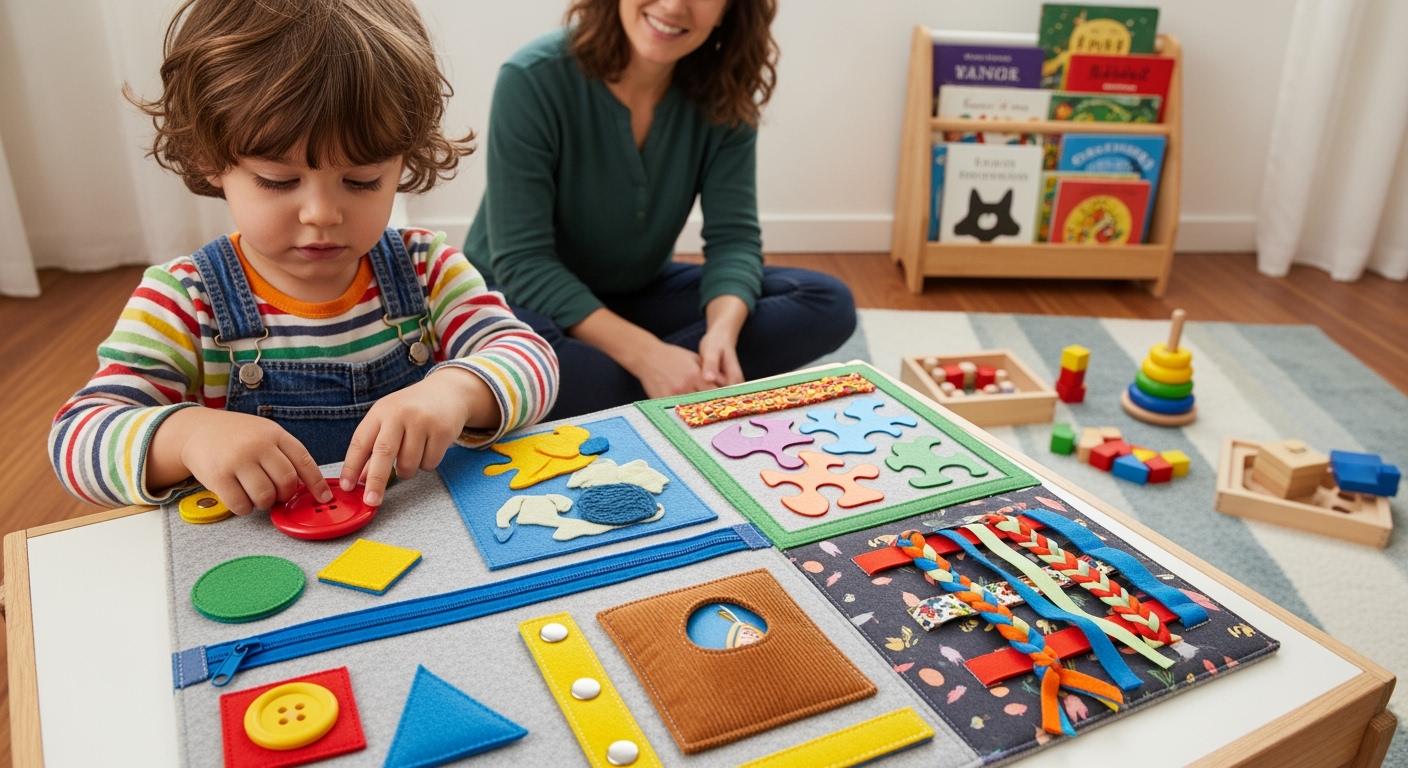
You want a felt busy board that keeps up as your child grows. Safety matters, so you look for boards with secure parts and age-appropriate activities. Montessori boards use lightweight felt and wood, making them easy to carry and clean. You can grab options like Space Theme Sensory Mats or Animal Sensory Pads for variety. When you pick a board, you focus on adaptability and quality. You’ll find practical tips to help you choose the best fit.
Key Takeaways
Pick a busy board made with safe, non-toxic materials. This helps keep your child safe while playing.
Choose activities that fit your child's age and skills. This helps your child feel confident and learn new things.
Find boards with strong parts and tough materials. These will last for many years of play.
Get modular boards so you can change activities as your child grows. This lets your child try new things as they learn.
Clean and take care of the board often. This keeps it safe and fun for your child.
What Is a Montessori Felt Busy Board?
Montessori Principles
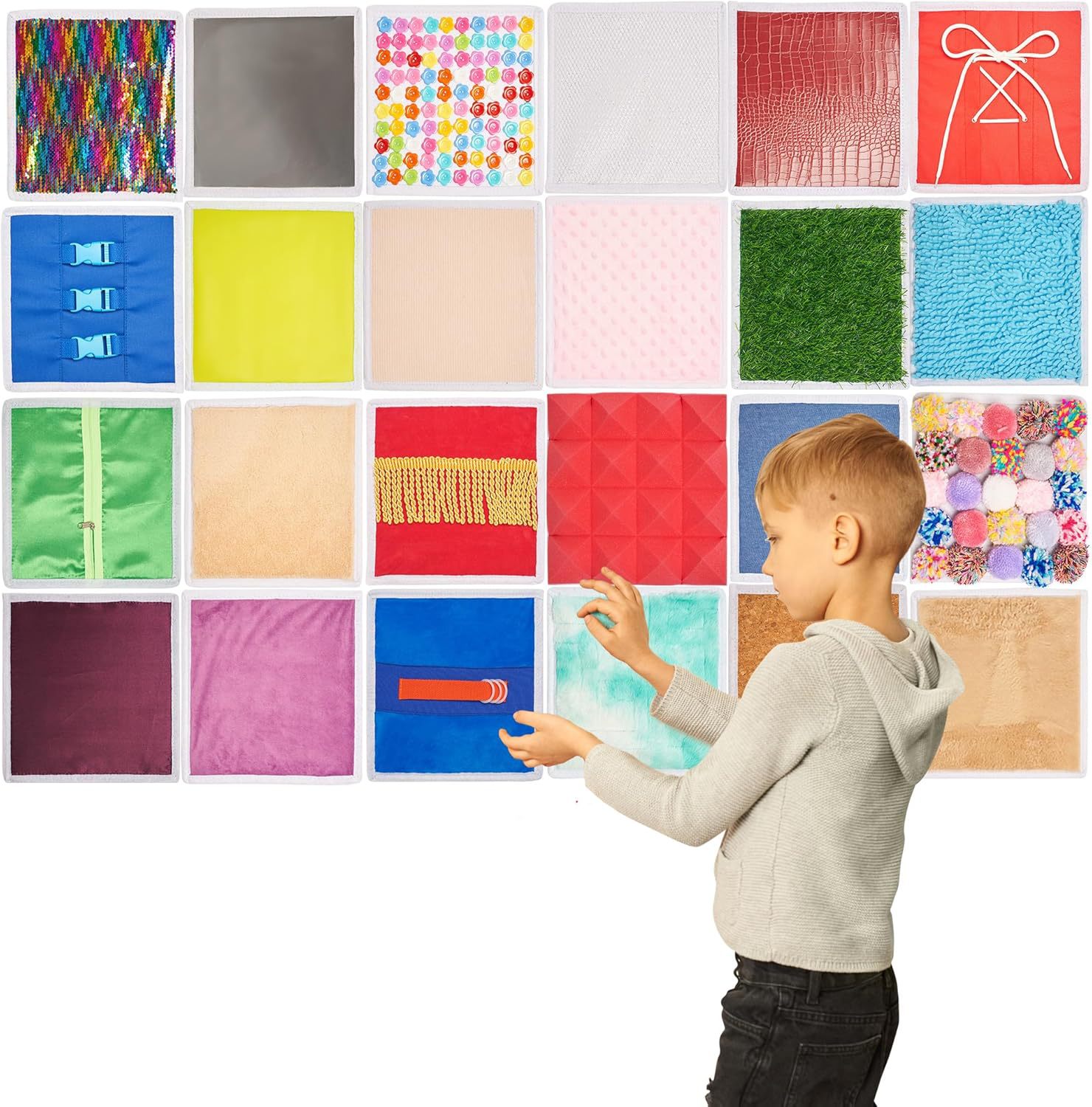
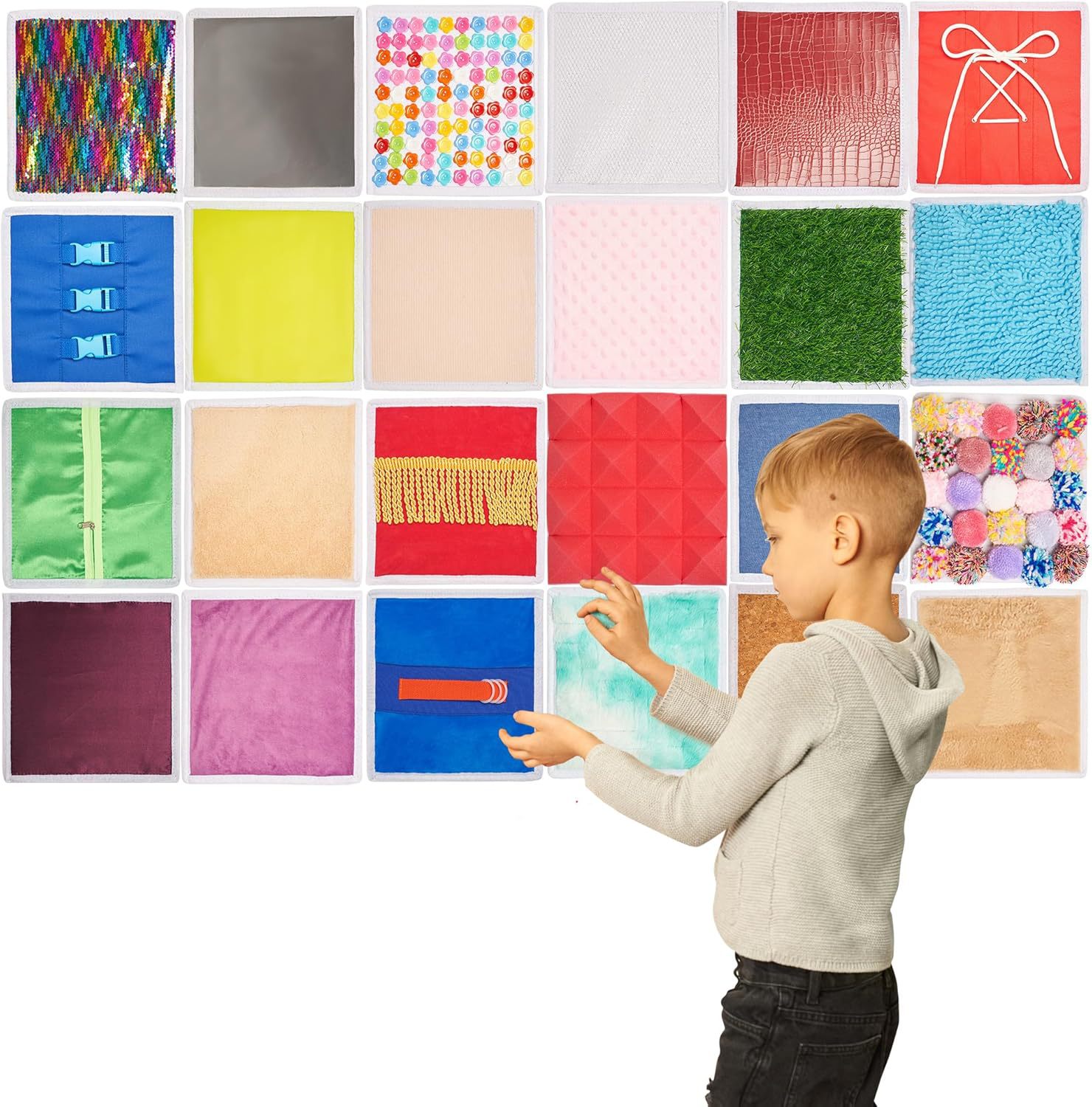
You may wonder what makes a felt busy board Montessori. The answer comes from the main ideas behind its design. Montessori boards let kids learn by doing things themselves. Your child gets to explore and solve problems alone. These boards help your child build fine motor skills and think for themselves. They also give your child a safe and fun place to play.
Here are some important ideas you will see in a Montessori felt busy board:
Reality-based parts. You will not find pretend or fantasy pieces.
Natural materials like wood, metal, and cotton.
Activities go from easy to harder, so your child can learn step by step.
Whole-hand use. Your child uses their whole hand, not just fingers.
Self-correcting parts. Your child can fix mistakes without your help.
Tip: Pick a board with activities that fit your child’s skills and help them grow.
Felt Busy Board Features
A felt busy board is different from regular activity boards. It has features that help kids learn on their own and practice real-life skills. Sensory parts made for solo play help your child focus and stay curious. These boards help your child become more independent and learn important life skills.
Let’s look at how Montessori busy boards compare to regular activity boards:
Feature/Value | Montessori Busy Boards | Traditional Activity Boards |
|---|---|---|
Design | Helps kids learn alone and explore with their senses | May not focus on learning |
Skill Development | Builds fine motor skills and thinking skills | Skills may not be as focused |
Problem-Solving | Helps kids solve problems and think hard | Less focus on thinking challenges |
Engagement | Lets kids do real-life tasks | May not keep kids as interested |
You can help your child spend less time on screens and be more curious with hands-on activities. The felt busy board gives your child a safe place to learn, explore, and grow.
Benefits of Kids Activity Boards
Motor Skill Development
You want your child to have strong hands and quick fingers. Kids activity boards help make this happen. When your child uses zippers, buttons, and laces, they practice skills for getting dressed. These boards let your child make their finger muscles stronger and move their hands better. Look at how Montessori busy boards are different from other toys:
Skill Developed | Montessori Busy Boards | Other Toys |
|---|---|---|
Yes | No | |
Improves Coordination | Yes | Limited |
Encourages Problem-Solving | Yes | Rarely |
You watch your child solve problems and learn new things. Kids activity boards help your child pay attention and do better in school. See these numbers:
Developmental Benefit | Statistic |
|---|---|
Improved Focus | |
Academic Boost | 10% improvement in reading skills |
17% boost in arithmetic | |
Social & Emotional Growth | 34% reduction in behavioral issues |
17% improvement in self-control |
Tip: Let your child try many activities on the board. You will see them feel proud as they learn new things.
Sensory Exploration
Kids activity boards have many textures and shapes to touch. Your child feels soft felt, smooth buttons, and rough zippers. This kind of play helps your child learn about the world. You see your child tie laces and fasten buttons, which makes learning fun.
Hands-on play makes kids curious and creative.
Sorting and telling stories helps kids notice small details.
Play helps your child handle feelings and learn self-control.
Art and music activities help your child talk and share feelings.
Montessori felt busy boards give your child a safe place to touch and try new things. Your child learns important life skills and becomes more independent. Kids activity boards make every day exciting for your child.
Safety Tips for Kids Busy Boards
When you pick out kids busy boards, you want to know your child is safe. You can relax when you know the board uses safe materials, has strong attachments, and avoids choking hazards. Let’s break down what you need to look for.
Non-Toxic Materials
You want your child to touch and play with safe materials. Many boards use felt, wood, or plastic, but not all materials are equal. Always check for non-toxic labels and certifications. Look for boards that use water-based paints, food-grade finishes, and organic fabrics. Here’s a quick guide to the safest materials for kids busy boards:
Material Type | Safety Features | Best For |
|---|---|---|
Solid Hardwood | Sturdy and splinter-resistant; avoid plywood or MDF unless sealed. | Main board structure, frames, large components |
Non-Toxic Paints & Finishes | Water-based, lead-free; food-grade finishes safer than chemical varnishes. | Coloring the board, shapes, decorative elements |
Child-Safe Metal Components | Stainless steel is rust-proof and non-toxic; avoid cheap metals. | Locks, zippers, buckles, door hinges |
BPA-Free Plastic & Silicone | Food-grade silicone is soft; ABS plastic is durable and non-toxic. | Buttons, switches, sensory elements |
Fabric & Soft Textiles | Organic cotton, felt, or fleece; avoid loose threads. | Zippers, shoelace tying practice, sensory patches |
Safe Adhesives & Fasteners | Non-toxic wood glue; screws instead of nails to prevent sharp edges. | Securing parts to the board |
Tip: Always check for safety certifications like ASTM or EN71. These show the board meets strict safety standards.
Secure Attachments
Loose parts can become dangerous. You want every piece on the board to stay put, even after lots of play. Choose boards with strong stitching, tight screws, and safe adhesives. Here are some of the safest ways to attach parts:
Attachment Method | |
|---|---|
Screws | Pre-drill pilot holes, use the right length, and cover screw heads to prevent injury. |
Adhesive | Use strong, non-toxic glue. Let it dry fully before play. Check that items do not peel off. |
Sewing | Sew items onto fabric scraps before gluing or tacking to the board for extra strength. |
You should check the board often. Give each part a gentle tug. If anything feels loose, fix it right away. Boards made from hardwood or strong plastic last longer and keep parts secure. Regular maintenance keeps your child safe and the board in good shape.
Make sure all zippers, buttons, and laces stay attached.
Avoid boards with small screws or removable pieces.
Pick boards with large, sewn-on felt pieces.
Choking Hazard Prevention
Choking is a real risk for young children. You want to avoid any small parts that could come loose. The American Academy of Pediatrics says to skip toys with tiny pieces. Instead, pick boards with big, sturdy parts that stay put. Large felt shapes, chunky buttons, and wide zippers are safer choices.
Here’s what you can do to prevent choking hazards:
Choose boards with parts too big to fit in your child’s mouth.
Avoid any board with loose or removable small pieces.
Check for age recommendations and only use boards made for your child’s age group.
Clean the board often to keep it free from dirt and loose threads.
Note: Lightweight boards with large, securely attached felt pieces are safer and easier for your child to handle.
When you follow these tips, you help your child play safely and confidently. You can enjoy peace of mind while your child explores and learns with kids busy boards.
Choosing the Right Size and Portability
Ideal Dimensions
You want a busy board that fits your child’s hands and your lifestyle. If the board feels too big or too heavy, your child may not want to use it. If it’s too small, you might worry about safety. The right size makes all the difference.
Here’s what you should look for in a Montessori felt busy board:
Each square or activity area should measure at least 1.5 inches wide. This gives your child enough space to grab, twist, and move pieces without frustration.
Large squares and oversized felt pieces help prevent choking hazards. You can relax knowing your child plays safely.
Foldable boards with magnetic or inset pieces make it easy to pack up and take anywhere. You can slip one into your diaper bag or backpack.
Tip: Let your child hold the board before you buy it. If they can lift and carry it, you’ve found a good match.
Travel-Friendly Options
You probably want a board that goes wherever you go. Whether you’re heading to grandma’s house or waiting at the doctor’s office, a portable board keeps your child busy and happy.
Check out these ideal travel-friendly dimensions:
Dimension | Size (inches) | Size (cm) |
|---|---|---|
Length | 8.6 | 22 |
Width | 11 | 28 |
Height | 2 | 5 |
A board around 9x11 inches fits perfectly on your child’s lap. It’s light enough for toddlers and preschoolers to carry on their own. You can choose boards with handles or soft edges for extra comfort.
If you travel often, look for boards that fold or zip closed. Some boards even have pockets for extra pieces. You get less mess and more fun on the go.
Note: A lightweight, portable board means your child can play anywhere—at home, in the car, or at a restaurant. You’ll love the freedom, and your child will love the independence.
Matching Felt Busy Board to Developmental Stage
Age-Appropriate Activities
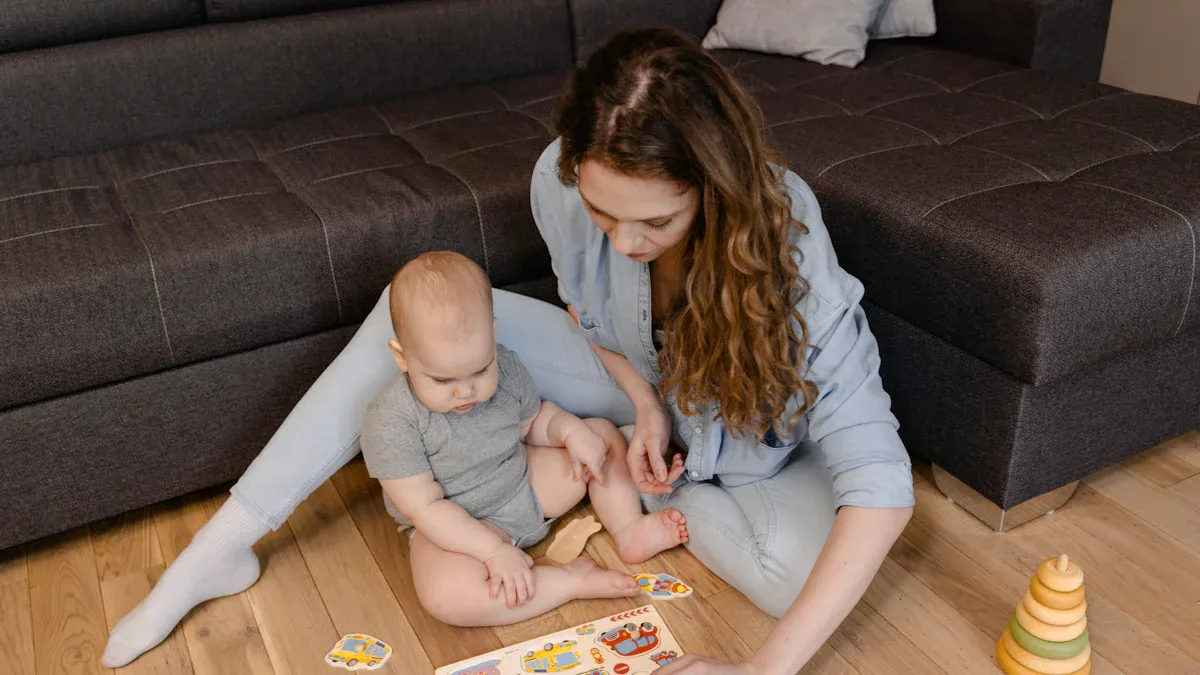
You want your child to feel challenged but not overwhelmed. Picking the right activities for their age makes a big difference. When you match the board to your child’s stage, you help them build confidence and skills. You can start with simple tasks and move to more complex ones as your child grows.
Let’s look at some activities you might find on a Montessori felt busy board and how they help your child:
Activity Type | |
|---|---|
Zipping, buttoning, buckling | Fine Motor Skill Development |
Figuring out latches | Problem-Solving |
Exploring textures | Sensory Exploration |
Independent exploration | Independence |
Engaging tasks | Concentration |
If your child is a toddler, you might choose boards with big zippers and chunky buttons. Preschoolers love boards with latches and buckles. Older kids enjoy sorting shapes or matching colors. You can watch your child try new activities and see which ones spark their interest.
Tip: If your child gets bored or frustrated, try switching up the activities. You can add new pieces or swap out old ones to keep things fresh.
Skill Progression
You want your child to keep learning and growing. A good busy board helps your child move from simple skills to more advanced ones. You can check if the board matches your child’s abilities by watching how they play.
Here are some ways you can assess your child’s skill level and encourage progression:
Description | |
|---|---|
Conservation Tasks | Tests whether your child understands that quantity stays the same even if the shape changes. |
Classification and Sorting | Watch if your child groups objects by category, shape, color, or size. |
Perspective-Taking Activities | Use role-play or social games to see if your child understands that others have different viewpoints. |
You might notice your child sorting felt shapes by color or size. This shows they are ready for more complex tasks. If your child can zip and button easily, you can introduce latches or puzzles. You can use role-play games to help your child understand other people’s feelings and ideas.
Try adding new challenges as your child masters old ones.
Watch for signs of boredom or frustration. If your child breezes through activities, it’s time to upgrade.
Celebrate small wins. When your child figures out a new task, let them know you’re proud.
Note: You don’t need to rush. Let your child explore at their own pace. The right busy board grows with your child, offering new skills and adventures as they get older.
Adaptable and Upgradeable Montessori Boards
Modular Components
You want a busy board that grows with your child. Modular components make this possible. You can swap out activities or add new ones as your child learns new skills. This keeps the board fresh and exciting. You do not need to buy a new board every year.
Let’s look at how busy boards change as your child gets older:
Age Group | Features |
|---|---|
Simple boards with large buttons and zippers | |
3-5 years | Advanced boards with clocks, shoelaces, and puzzles |
A modular board lets you start with easy activities. You can add more complex tasks when your child is ready. Some boards use an “8 in 1” design. This means you get eight different activities in one board. Your child can practice zipping, buttoning, and even telling time. You help your child learn practical life skills and problem-solving.
Here’s what makes modular boards special:
Feature | Description |
|---|---|
Offers multiple activities to keep toddlers engaged and learning. | |
Practical Life Skills | Teaches dressing and problem-solving through hands-on play. |
Educational Value | Includes letters, numbers, and shapes for early learning. |
Quality Materials | Uses safe, durable materials for long-lasting fun. |
Tip: Choose a board with removable or add-on pieces. You can adjust the activities as your child grows.
Customizing Activities
You know your child best. You can make the busy board fit their interests and needs. Customizing the board makes playtime more fun and meaningful. You might want to try a DIY approach. This lets you get creative and practical at the same time.
Here are some ways you can customize a Montessori felt busy board:
Make your own board for a personal touch.
Always put safety first and pick age-appropriate activities.
Use bright colors, fun themes, or add numbers and shapes your child loves.
You can swap out activities when your child gets bored. If your child loves animals, add felt animals. If they like numbers, add counting games. You help your child stay interested and keep learning.
Note: Customizing the board means your child gets a unique toy that matches their personality and learning style. You get to watch them grow and explore with every new activity.
Quality and Maintenance of Kids Busy Boards
Durable Materials
You want your busy board to last through years of play. Choosing the right materials makes a big difference. Felt boards with strong stitching hold up well, but you can boost durability by picking boards with metal or high-quality plastic parts. Metal components, like those found in playground equipment, can last up to 30 years if you take care of them. HDPE plastic, often used in children’s toys, stays tough for 10–15 years. These materials resist scratches, dents, and daily wear.
When you shop, check the board for thick felt and tight seams. Loose threads or thin fabric wear out fast. Boards with recycled materials also stand up to rough play and help the planet. You get a board that stays safe and looks good, even after months of use.
Tip: Run your fingers along the edges. If you feel strong stitching and sturdy materials, you’ve found a board that can handle anything your child throws at it.
Here’s a quick table to help you compare material choices:
Material | Lifespan (Years) | Maintenance Needed |
|---|---|---|
Metal | 20–30 | Wipe clean, check for rust |
HDPE Plastic | 10–15 | Wipe clean, avoid heat |
Thick Felt | 3–5 | Spot clean, trim loose threads |
Easy Cleaning
Kids love to explore, so their busy boards get messy fast. You want cleaning to be simple. Most felt boards let you spot clean with a damp cloth. For tougher stains, use mild soap and water. Avoid soaking the board, since too much moisture can weaken the felt and stitching.
Plastic and metal parts wipe clean in seconds. If your board has removable pieces, take them off and wash separately. Always check for dirt in seams or under buttons. Keeping the board clean helps prevent germs and keeps colors bright.
Shake off crumbs and dust after each play session.
Trim loose threads to stop fraying.
Store the board in a dry place to avoid mold.
Note: A clean busy board lasts longer and keeps your child safe. Regular maintenance means more fun and less worry for you.
Practical Tips for Buying or Making Kids Activity Boards
Trusted Retailers
You want to feel confident when you buy a Montessori felt busy board. Trusted retailers make this easy. Look for stores that specialize in educational toys or Montessori materials. These shops often test their products for safety and quality. You can also find good options on well-known online marketplaces. Always check if the retailer lists safety certifications and clear age recommendations.
Choose shops with clear return policies.
Look for customer support that answers your questions.
Pick brands with a history of positive feedback.
Tip: Ask other parents or teachers for their favorite stores. Word of mouth can lead you to hidden gems.
DIY Ideas
You might want to make your own busy board. DIY boards let you pick every detail. You can match your child’s interests and skills. Start with a sturdy felt base. Add large buttons, zippers, and shapes. Use bright colors and fun themes. Make sure every piece is too big to swallow and sewn on tight.
Here’s a simple checklist for your DIY project:
Thick felt or fabric for the base
Large, colorful shapes
Zippers, buttons, and laces
Strong thread or glue
No small or loose parts
Note: Involve your child in picking colors or shapes. This makes the board even more special.
Reading Reviews
You can learn a lot from other parents. Reading reviews helps you spot the best boards and avoid problems. Parents often share how the board helped their child play alone, get creative, and build new skills. Reviews also mention if the board is easy to set up and use at home.
Here’s what parents often highlight in their reviews:
Theme | Description |
|---|---|
Activities let kids explore alone and solve problems. | |
Stimulate Creativity | Many activities help kids try new things and be creative. |
Develop Motor Skills | Hands-on play helps kids move and control their bodies. |
Encourage Early Learning | Activities help kids learn reading, math, and thinking. |
Parent-Friendly Setup | Easy activities use common items and help parents spend time with kids. |
Tip: Look for reviews that mention your child’s age group. This helps you find the best match for your family.
You want a Montessori felt busy board that is safe for your child. The board should match your child’s age and skills. Pick a board that your child can use as they grow. Make sure the materials are strong and last a long time. Check that all parts are attached tightly and do not come loose. Choose activities that are right for your child’s age. Busy boards help your child use their hands and fingers better. They also help your child learn to solve problems. Your child will become more independent with practice.
Safety: Strong attachments and checking often keep your child safe.
Age Appropriateness: Pick boards that match your child’s skill level.
Developmental Benefits: These boards build fine motor skills, problem-solving, and independence.
Try making a checklist before you buy a board. Watch your child play to see what they like. Look for boards that fit your family’s needs.
FAQ
What age is best for a busy board?
You can introduce a busy board to your toddler as early as 12 months. Kids love sensory activities at this stage. The board helps your child build motor skills and supports education. You can keep using it as your child grows.
How do I clean a sensory busy board?
You can spot clean most busy boards with a damp cloth. For tougher stains, use mild soap and water. Avoid soaking the board. Kids often spill, so regular cleaning keeps sensory parts safe for your child.
Are busy boards safe for kids?
Busy boards are safe when you choose boards with large, securely attached pieces. You should check for non-toxic materials. Kids need supervision, especially toddlers. Sensory activities help your child learn safely.
Can a busy board help with education?
Yes! Busy boards support education by offering sensory activities and hands-on learning. Your child practices real-life skills. Kids develop problem-solving abilities and independence. You can use a learning board for early math and reading.
How do I pick the right busy board for my child?
You should look for a busy board that matches your child’s age and interests. Kids enjoy boards with sensory features. Choose boards with activities that grow with your child. You can add new pieces as your child learns.
See Also
Selecting The Perfect Sensory Chair For Your Child
An In-Depth Guide To Montessori Toys For Motor Skills
Essential Advice For Choosing A Sensory Swing For Kids
Evaluating Tactile Sensory Toys For Various Children's Needs
