From Tantrums to Tranquility with a Calming Sensory Room
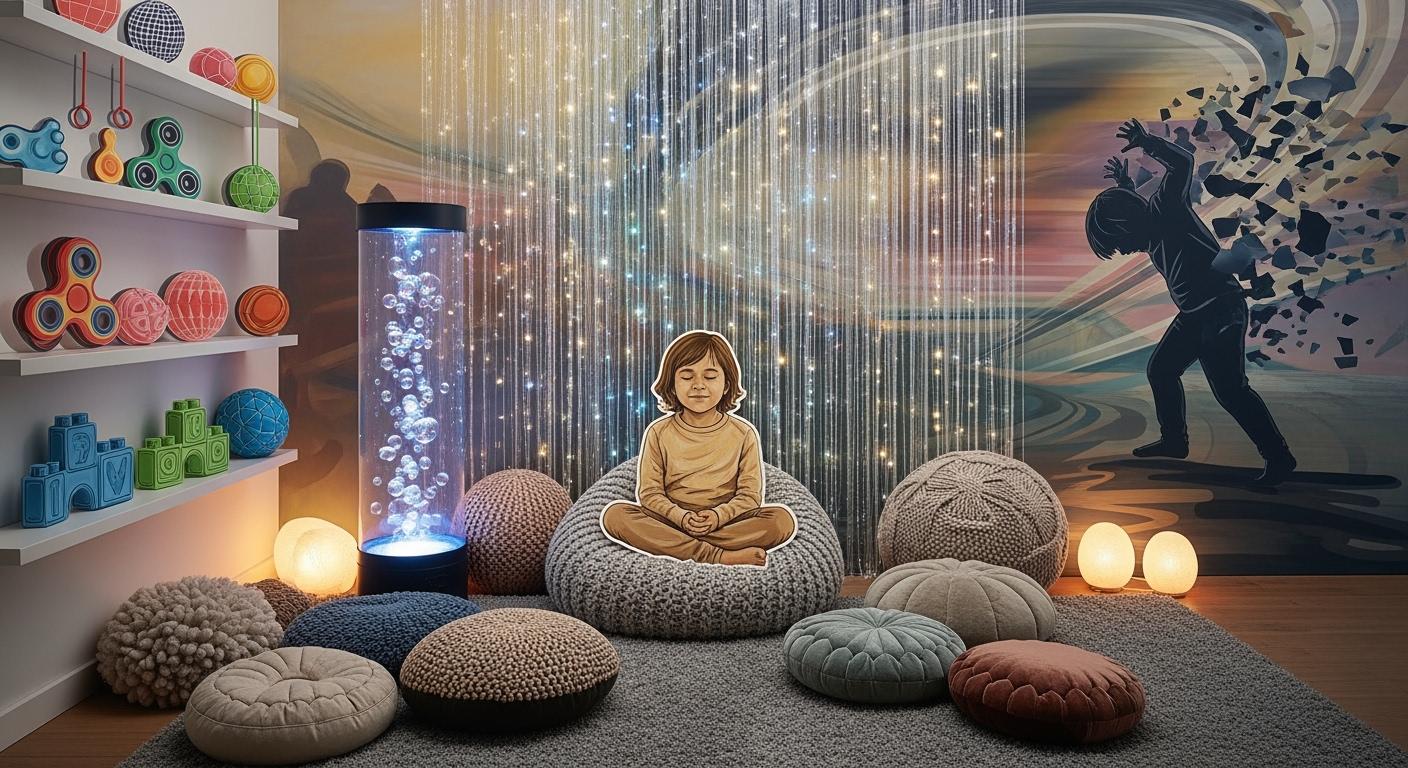
You might remember a tantrum. There are tears and shouts. It can feel like nothing will help. Many parents with autistic children know this chaos. A calming sensory room gives a steady place to calm down. Children with sensory processing disorder can learn to handle their feelings there. Statistics may not always show big changes. But families talk about a special place where hope comes back. Picture your dream sensory room. It is a calm space that can change daily life.
Key Takeaways
A calming sensory room is a safe place for kids. It helps them handle their feelings and sensory needs. Use soft lights, touchable things, and movement tools to make the room calm. Let your child help design the sensory room. This makes sure it fits what they like and need. Using a sensory room often can lower tantrums. It can also help kids focus better. This is good for both kids and families. Support from others and sharing stories can make sensory rooms work better. It also helps people understand sensory needs.
Facing Tantrums and Sensory Overload
Daily Challenges for Families
You hope for a peaceful morning. Sometimes, things get tough instead. Kids with sensory processing issues react in ways you do not expect. Your child might cover their ears when the vacuum is on. They may refuse to wear some clothes. These reactions can make daily routines hard.
Here are some common challenges you may notice:
Hypersensitivity: Your child avoids bright lights or loud sounds. They may not like certain food textures.
Hyposensitivity: Your child does not react to loud noises or pain. This can lead to unsafe choices.
Sensory craving: Your child wants strong sensations. They may spin or ask for tight hugs.
Sensory discrimination struggles: Your child cannot tell sounds or touches apart. This can make talking harder.
Postural difficulties: Your child has trouble balancing. They may seem clumsy.
Dyspraxia: Your child finds it hard to move in a coordinated way. Daily tasks can be tough.
You may also see:
Trouble with fine motor skills, like writing.
Problems with gross motor skills, such as climbing stairs.
Delays in talking and communicating.
Difficulty controlling emotions and behavior.
Issues with paying attention and staying focused.
Every day brings new problems. You keep looking for ways to help.
Emotional Triggers and Sensory Needs
You want your child to feel safe. Sensory overload makes this difficult. Bright lights or strong smells can upset your child. Loud noises can cause distress. Your child may cover their eyes or run away. Sometimes, they have a meltdown. Your child may not notice noise or pain. This can be confusing.
You might see your child spinning or jumping. They may chew on things. These actions help them deal with their surroundings. When your child feels overwhelmed, they get anxious or frustrated. Meltdowns or shutdowns can happen. Controlling emotions becomes very hard.
These behaviors are not your child’s fault. They show your child needs help. With care and the right tools, you can help your child find calm.
Calming Sensory Room Transformation
Planning and Inspiration
You want to make a calming sensory room for your child. You start with hope and ideas. Some people get inspired by stories. A mom in Massachusetts made her basement a quiet place. She saw her son, Harry, go from meltdowns to happy, calm moments. Some schools, like Templeogue College, changed a classroom into a sensory room. Students there have a safe spot to relax and focus.
You do not need a lot of money or a big house. You can use a corner or a small room. One family made a space with soft rugs, bean bags, and gentle lights. Their child felt better and calmer after school every day.
You can use proven ways to plan your calming sensory room. Here is a table to help you start:
Strategy Type | Description |
|---|---|
Lighting options | Use adjustable, soft lighting to create a calming atmosphere, avoiding harsh fluorescent lights. |
Tactile materials | Incorporate weighted blankets, textured cushions, and sensory bins to provide touch-based input. |
Movement equipment | Include crash mats, therapy swings, and balance boards to support proprioceptive needs. |
Auditory tools | Utilize white noise machines or noise-canceling headphones to manage sound sensory needs. |
Visual stimulation | Add bubble tubes and fiber optic lights to create calming visual patterns. |
You build your space around what your child needs. Children with autism often want a safe and steady place. You can ask your child what helps them feel calm. You can watch how they react to textures, lights, and sounds. You can make your calming sensory room one step at a time.
Key Features for Calm
You want your calming sensory room to feel gentle and safe. You can pick things that help your child relax. You can use both calming and alerting items. Here is a table of key features and their purpose:
Feature | Purpose |
|---|---|
Calming areas | Dim lighting, soft textures, and weighted items help create a soothing environment. |
Alerting spaces | Movement elements like swings or spinning stools stimulate engagement. |
Interactive zones | Cause-and-effect tools or projections encourage exploration and focus. |
Lighting control | Dimmable LED lighting and color-changing projectors support mood regulation. |
Tactile exploration | Wall panels and sensory tiles provide various touch options for comfort. |
Sound management | Soft music and soundproofing reduce overstimulation. |
Movement equipment | Swings and balance beams provide vestibular input for sensory regulation. |
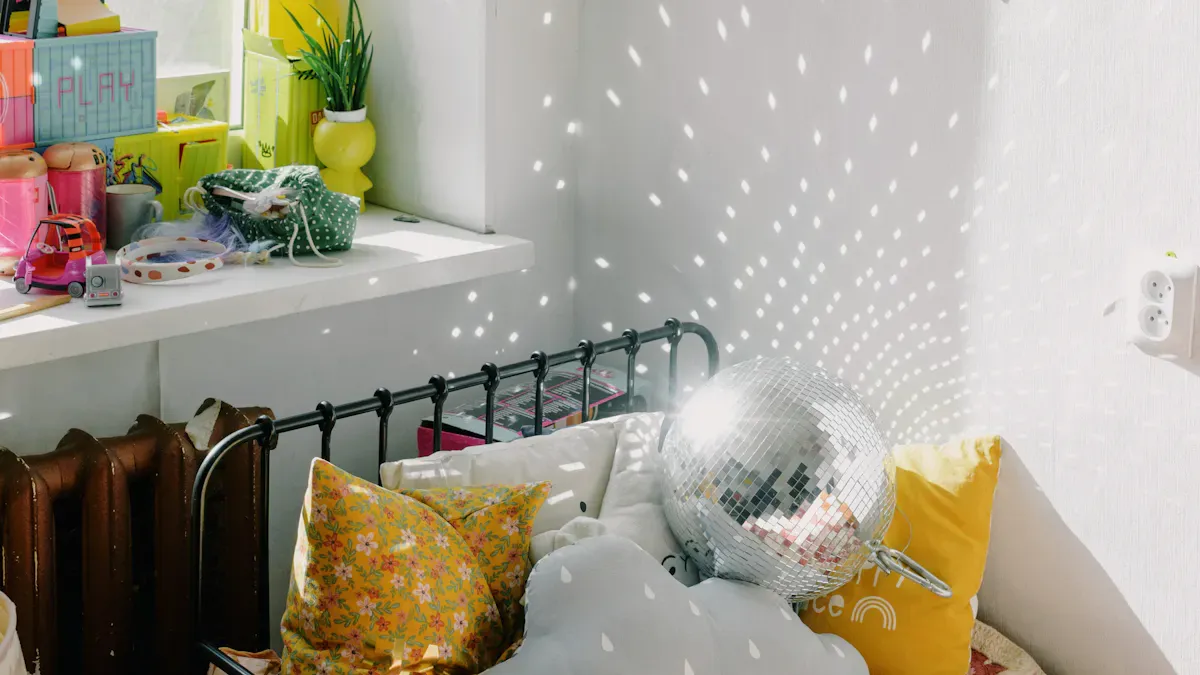
Visual tracking | Bubble tubes and mirror balls aid in focus and eye coordination. |
You can try these ideas at home:
Use lights you can change to make the room calm.
Manage sounds for kids who are sensitive to noise.
Add textures that feel nice or interesting to touch.
A calming sensory room helps kids handle their feelings. It also helps them with their senses. You fill the room with calming sounds and fun things to touch. These tools help your child feel less anxious. You make a place where your child feels safe to learn and grow.
You might see your child swing or hug a weighted pillow. You might see them watch bubbles in a tube. These moments show how helpful a calming sensory room can be. You give your child a place to relax and feel better.
Implementation Steps
You can set up a calming sensory room at home or school with easy steps. You do not have neurotypical to feel stressed. Here is a list to help you:
Ask your child to take off shoes before going in.
Keep each session in the room to 10-15 minutes.
Make a checklist and rating up for kids who use it a lot.
Put a “stop and breathe” sign at the door for deep breaths.
Teach that the calming sensory room is not for punishment or when upset.
Go over the rules at the start of the year or when you set up.
Show routines and reteach them after breaks or when needed.
Check in during times like after school or before bed.
Always watch your child in the sensory room.
You may have problems. Some teachers do not feel ready. Some families worry about money or supplies. You can solve these by learning and asking for help. You can talk to other parents or teachers who made a calming sensory room. You can start small and add more things later.
A calming sensory room gives you hope. You see your child find peace in a space made for them. You watch them get stronger every day. You know you made a home where calm is possible.
Sensory Room Tools and Their Impact

Movement and Comfort Tools
Movement and comfort tools can change sensory rooms a lot. They help kids feel safe and calm. Beanbag chairs, low stools, and soft rugs make a cozy spot. Kids like to use fidget toys, sensory bottles, or weighted plush animals when they need to calm down. Emotion charts and breathing posters show kids how to notice feelings and use calming steps. Quiet music and mindfulness exercises help kids relax. Books and stories teach kids about feelings and ways to cope. Soft fabrics and sensory mats give nice textures for hands and feet. Guided relaxation prompts help older kids relax and find peace. The cuyahoga county board of developmental disabilities says these tools can lower anxiety and tantrums in sensory rooms.
Lighting, Sound, and Texture
Lighting, sound, and texture change how a sensory room feels. Adjustable lighting lets you pick a soft glow or a brighter room, based on what your child needs. Calming soundscapes, like soft music or white noise, help kids focus and relax. Tactile surfaces, like textured wall panels and sensory tiles, invite kids to touch and explore. ASMR-inspired design uses touch, sound, and visuals to help kids feel calm. Snoezelen rooms use calming sounds, soft furniture, and tactile surfaces to comfort the senses. The cuyahoga county board of developmental disabilities uses these ideas to make sensory rooms special for kids with autism.
You can see how sensory room tools work by watching behavior and feelings. Teachers and families write down progress in IEPs and get feedback to see how sensory rooms help kids do better.
Personalization for Autism
Personalizing sensory rooms helps kids with autism a lot. You can change the space to fit what each child likes. Interactive things, like sensory swings and panels, let kids pick what helps them relax and feel better. The cuyahoga county board of developmental disabilities says to use many types of sensory equipment, calming colors, and flexible layouts. Controlled sensory rooms can lower anxiety, help kids focus, and support emotional control. A special sensory room gives kids a safe place to practice coping and grow. You can make a sensory room that fits your child’s needs and shows their strengths.
Real-life Outcomes and Community Support
Reduced Tantrums and Emotional Growth
You notice changes when you use a sensory room. A mom in Massachusetts saw her daughter, Khaleesi, become calmer and happier. She made a sensory room at home. Khaleesi started drawing and wanted her art on the walls. The spinning chair helped her relax when things were hard. Music in the room made her feel safe. You may see fewer tantrums and more smiles, just like Khaleesi’s family.
Sensory rooms give a place to handle feelings before frustration grows.
You help your child notice their feelings and use calming tools.
These rooms lower anxiety and stop meltdowns by offering a quiet spot.
After time in a sensory room, your child can focus better and return to tasks with a clear mind.
At Templeogue College, students use their sensory room to reset during school. Teachers see more focus and less stress. You can find similar results at the cleveland metroparks zoo, where sensory-friendly spaces help children enjoy their visit without feeling overwhelmed.
Daily Use and Lasting Benefits
You build new routines by using a sensory room every day. Families say these rooms make mornings and evenings easier. You may feel less stress and more joy at home. Sensory rooms help everyone feel safe and manage emotions.
Sensory rooms help you handle stress and bring lasting benefits.
You see better focus, especially for kids with ADHD.
These rooms encourage social skills and positive family time.
At the cleveland metroparks zoo, families use sensory rooms to take breaks and connect. You can watch your child play, talk, and share moments in a calm setting. Over time, you notice more laughter and stronger bonds.
Scientific and Community Perspectives
You are not alone on this journey. Community support helps a lot. Libraries and places like the cleveland metroparks zoo create sensory-friendly programs for all families. These programs raise awareness and help everyone feel welcome.
Community spaces teach others about autism and sensory needs.
You join activities that bring families together and build understanding.
Partnerships with groups like the cleveland metroparks zoo spread these ideas and make a bigger impact.
You see hope grow when you share stories and support with others. Sensory rooms change lives, not just for your family, but for your whole community.
You see your child grow calmer and more confident with a sensory room. Families and schools notice fewer meltdowns and more smiles. You can start small and involve your child in every step. Try these tips:
Let your child help pick colors and textures.
Set simple rules for the space.
Rotate items to keep things fresh.
Watch what your child enjoys most.
You create a safe place for peace and growth. Every step brings you closer to tranquility and hope. 🌱
FAQ
What is a sensory room?
A sensory room is a special space you design to help calm your mind and body. You fill it with soothing lights, soft textures, and gentle sounds. This room gives you a safe place to relax and recharge.
How do I start building a sensory room at home?
Start small. Choose a quiet corner. Add soft lighting, a comfy chair, and a few sensory tools. Watch what helps your child feel calm. You can add more items as you learn what works best.
Can a sensory room help with tantrums?
Yes! A sensory room gives your child a safe place to cool down. You can guide them to use calming tools. Over time, you may see fewer meltdowns and more peaceful moments.
What are some budget-friendly sensory room ideas?
Use pillows and blankets for comfort.
Hang string lights for soft glow.
Play calming music from a phone.
Make DIY sensory bottles with water and glitter.
Who benefits from a sensory room?
Children with autism, ADHD, or sensory processing needs find comfort in these rooms. You may also enjoy the peaceful space. Sensory rooms support emotional growth for everyone.
See Also
Essential Design Ideas for a Soothing Sensory Room
Creating a Tranquil Environment Using Sensory Lighting Techniques
Best Bedroom Designs to Soothe and Motivate Children
Benefits of Sensory Rooms for Children on the Autism Spectrum
