Calming sensory activities make fussy kids feel fantastic
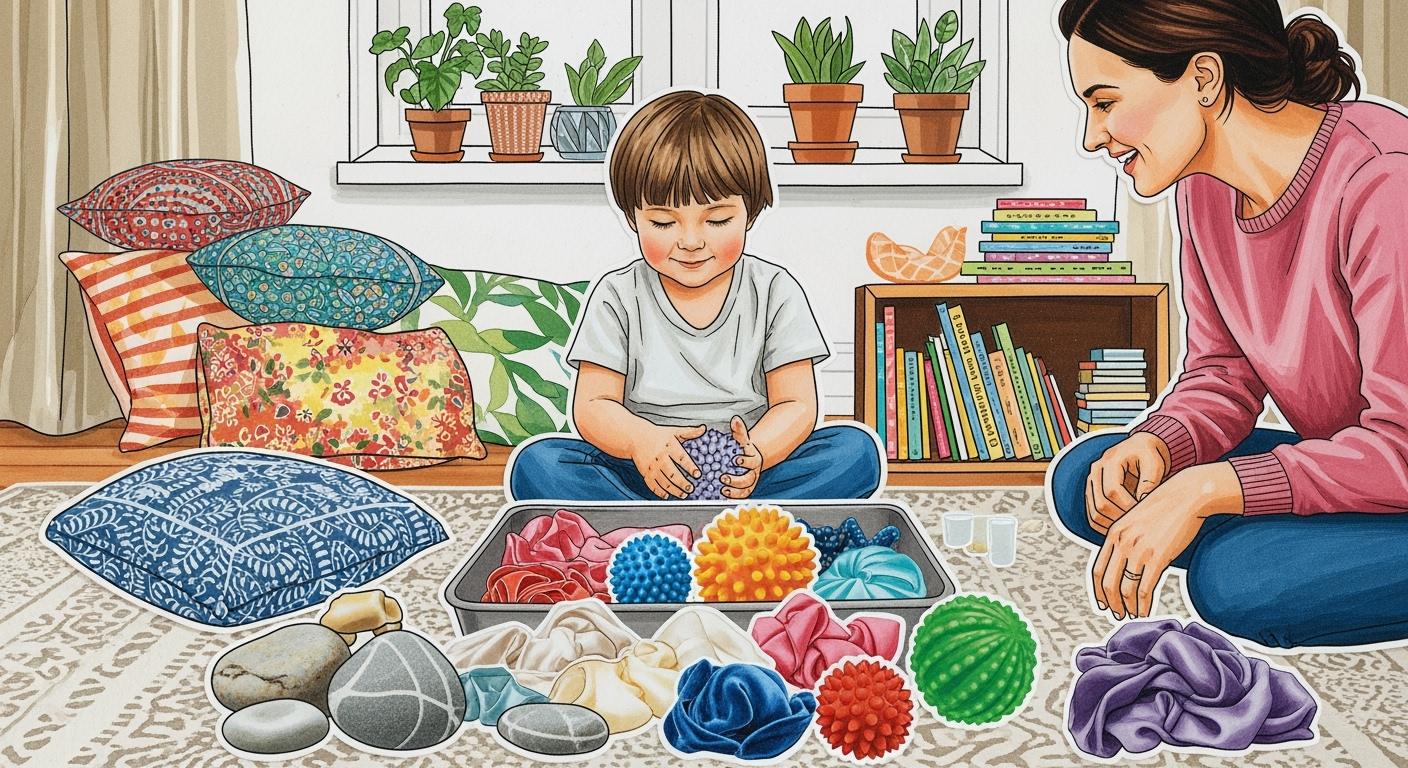
You know it is hard when your child feels upset or restless. Calming sensory activities are an easy way to help your child relax. These activities can make your child feel great right away. Things like deep pressure techniques or breathing exercises can change your child’s mood fast. They also bring comfort.
Calming Strategy | Description |
|---|---|
Deep pressure techniques | Hugs and pressure vests help kids relax and feel calm. |
Breathing exercises | Belly breathing slows the heart and helps stress go away fast. |
Sensory tools | Fidget toys let kids handle their feelings and sensitivities. |
You do not need special equipment. Most activities can work for any age. Many parents worry about safety, but these activities are safe and simple to do at home. Sensory play is not just about messy hands. It uses the whole body and helps with emotional balance.
Key Takeaways
Calming sensory activities help kids relax and handle big feelings. Things like deep pressure and breathing can quickly change how a kid feels.
Making a sensory-friendly space at home gives your child a safe place. Use soft lights, comfy seats, and calming items to help them relax.
Pick sensory activities that fit your child's likes and needs. Begin with easy activities and slowly add new ones so your child feels good and stays interested.
Always put safety first during sensory activities. Watch your child, check equipment for safety, and keep the area clean to stop accidents.
Adding calming sensory activities to your child's daily routine can help them focus and control their feelings. Doing these often helps kids feel safe and close to others.
What Are Calming Sensory Activities?
Definition and Purpose
You may ask what calming sensory activities are. These are easy ways to help your child handle strong feelings. They also help with sensory overload. Pediatric occupational therapists use these activities to help kids with hyperactivity or hypoactivity. You can try deep pressure therapy. You can use mindfulness practices. You can change the room to make it more sensory-friendly. Breathing exercises and sensory awareness activities calm the nervous system. They help bring peace.
Here’s why you might use sensory-friendly activities:
Purpose | Description |
|---|---|
Help your child process and react to sensory input better. | |
Self-Regulation | Teach your child to control their reactions to sensory input. |
Adaptive Skills | Help your child with daily things like dressing and eating. |
You do not need special equipment. You can make a quiet corner. You can use a weighted blanket for comfort. These calming activities are easy to add to your day.
Why Children Benefit
Calming sensory activities help your child control emotions. When your child moves, squeezes, or breathes deeply, their body gets calm. Moving the body helps change feelings. Sensory-friendly activities use the senses and movement. This helps kids handle feelings and lowers anxiety.
You can use sensory breaks, mindfulness, or deep breathing to help your child focus. These activities help your child feel safe. Sensory-friendly activities also build self-awareness and body awareness. If your child feels stressed, a quiet spot or gentle rocking helps a lot. These activities are easy to change for different needs. Every child can benefit.
Tip: Make a sensory-friendly space at home. Use soft lights and keep things tidy. Your child will have a safe place to relax and feel better.
How to Use Calming Sensory Activities for Children
Choosing Sensory-Friendly Activities
Pick activities that fit your child’s age and needs. Begin with easy activities and add new ones slowly. Watch your child’s reactions each time. If your child likes deep pressure squeezes or gentle rocking, use those more. Some children with autism need extra time for new textures or sounds. Always let your child choose what feels good for them.
Here’s a quick guide to help you pick sensory-friendly activities:
Criteria | Description |
|---|---|
Start small and scale slowly | Add new textures, movements, or sounds a little at a time. This helps your child get used to them. |
Follow the child’s lead | Watch your child’s reactions. Let them decide how fast to go. |
Build in break zones | Make quiet spots with calming tools. These help kids when they feel overwhelmed. |
Encourage peer inclusion | Invite classmates or siblings to join. This helps kids learn to play together. |
Seek professional guidance | Ask a specialist for help if your child gets very upset during activities. |
Tip: Give your child choices during activities. This helps them feel in control and calm.
Setting Up a Calming Space
You can make a calm-down corner at home or school. Choose a quiet place away from loud noises. Add soft seats like bean bags or mats. Put favorite books, stuffed animals, and quiet toys there. This space helps your child learn about their feelings. It also helps them manage stress and build relationships.
Pick a quiet spot for a calm-down area.
Use soft seats.
Add calming tools like fidget toys and emotion charts.
Make sure the space feels private and safe.
Making a calming space can be hard sometimes. Caregivers may have trouble with distractions or routines. You might need to change things and try new activities until you find what works.
Introducing Activities Safely
Safety is important when starting new sensory activities. Always watch your child, especially if they have special needs. Check all equipment to make sure it is safe. Keep everything clean. Use padding on the floor to stop injuries. Only let a few kids in the space at once. Do not use calming activities as punishment or when your child is upset.
Safety Guideline | Description |
|---|---|
Adult Supervision | Always watch children with special needs. They may have trouble with impulses. |
Equipment Safety Checks | Check equipment often to make sure it is safe. |
Cleaning Protocols | Clean and disinfect equipment often. |
Floor Padding | Use padding to stop injuries from falls. |
Limit Occupants | Only let a few children in the sensory room at once. |
You help your child by showing calm behavior. Show them how to use calming activities like deep pressure squeezes or breathing exercises. Routines and clear rules help your child feel safe and sure of themselves.
Sensory-Friendly Calming Activities
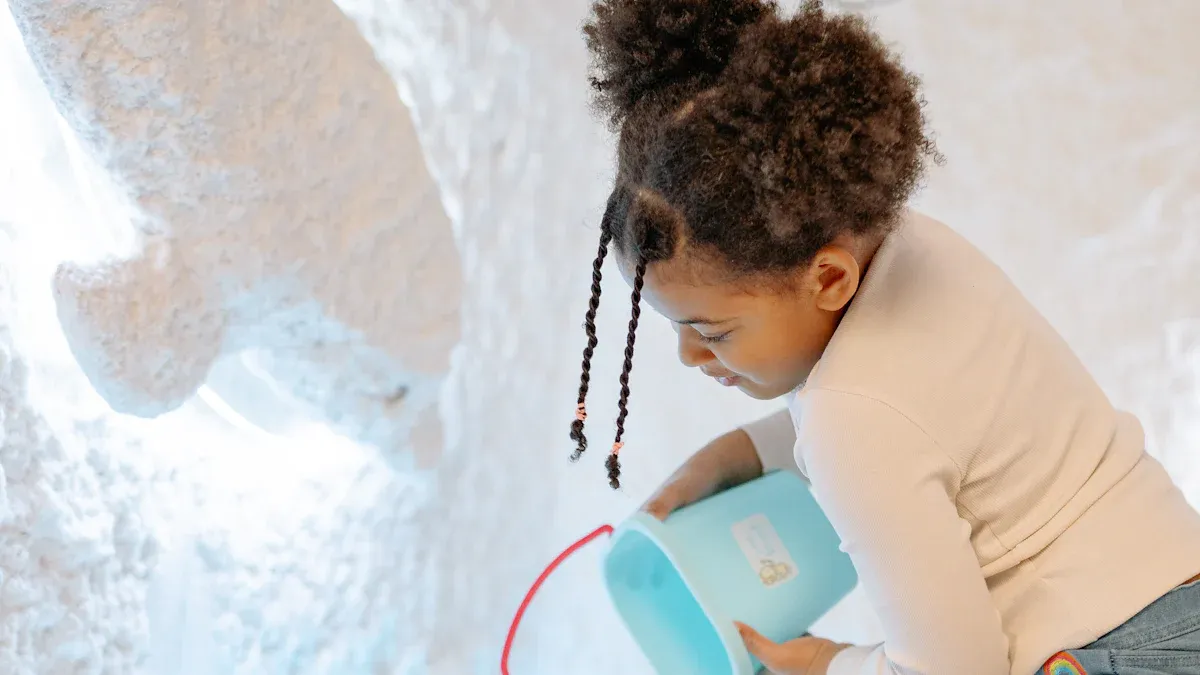
You want your child to feel calm and happy. Sensory-friendly activities can help you reach that goal. These calming activities use touch, sound, movement, and even smell to help children relax and focus. You can try many of these at home, and you do not need fancy equipment. Let’s look at some favorites and see how you can adapt them for every child.
Sensory Bins and Toys
Sensory bins are simple but powerful tools. You fill a plastic bin with materials like rice, beans, sand, or water beads. Children can scoop, pour, and dig with their hands or small toys. This hands-on play helps them explore different textures and sounds. It also gives them a quiet moment to relax.
Sensory bins give children a chance to use many senses at once. This can help them feel less overwhelmed.
Playing with a sensory bin can prevent meltdowns and help with emotional regulation.
You can boost language skills by talking about what you see and feel in the bin.
Fine motor skills grow as children scoop, pour, and sort.
You can make a diy sensory bin with things you already have at home. Try dry pasta, cotton balls, or even fabric scraps. If your child has sensory challenges, start with familiar textures. Let them watch you play first. You can also add visual timers or calming visuals nearby to help with transitions.
Tip: If your child feels overwhelmed, create a calm-down corner with soft pillows and gentle lighting. This gives them a safe place to use sensory bins or toys.
Deep Pressure Tools
Deep pressure tools, like weighted blankets or vests, give steady, gentle pressure to the body. Many children find this comforting. You might notice your child relaxes with a big hug or when wrapped in a blanket. That’s deep pressure at work.
Studies show that weighted blankets can lower anxiety and help children with autism manage changes in routine. Deep pressure can also improve sleep and help with self-regulation. You can use a weighted lap pad during homework or a pressure vest during transitions.
If you want a cost-effective option, fill a large pillowcase with soft stuffed animals or fabric scraps. This makes a homemade crash pad for jumping or resting. Always check the weight to make sure it feels good and safe for your child.
For children with sensory processing disorder, start with short sessions and watch for comfort.
Use deep pressure tools in a quiet space, not as a punishment.
Let your child choose when to use these tools.
Water and Rocking Activities
Water play is soothing for many children. You can fill a small tub or kiddie pool with water and let your child splash, pour, or float toys. Water play helps children express emotions and calm down after a busy day. The gentle sound and feel of water can lower stress and anxiety.
Rocking is another favorite. A rocking chair, hammock, or even slow swinging can help children feel safe and organized. These activities support emotional regulation and can be part of your daily routine.
Try water play with cups, sponges, or floating toys.
Use a rocking chair or bean bag for gentle movement.
For children who get overstimulated, keep water play short and use warm water.
If your child has sensory therapy needs, you can combine water play with visual art activities. Let them paint with water on a chalkboard or use bath crayons in the tub.
Calming Music and Aromatherapy
Sound and smell can change the mood in a room. Calming music, like soft piano or nature sounds, creates a peaceful space. You can play music during organising activities or before bedtime. Many children find that music helps them focus and relax.
Aromatherapy uses gentle scents, such as lavender or chamomile, to create a soothing environment. You can use a diffuser or place a scented sachet in your child’s calm-down corner. These scents can bring back happy memories and support healing.
Choose music your child enjoys. Keep the volume low.
Use only safe, child-friendly scents.
If your child is sensitive to smells, skip aromatherapy and focus on music.
You can adapt these calming sensory activities for every child. Some children need a quiet corner with soft colors and dim lighting. Others may like visual timers or drawing as part of their routine. Every child is unique, so try different sensory-friendly activities and see what works best.
Note: Cultural background can shape what feels comforting. Ask your child what helps them feel safe and calm. You know your child best.
Tips for Success and Safety
Timing and Environment
Pick the right time and place for sensory therapy. Children do better with calming routines each day. Storytime before bed helps them relax. Deep breathing or yoga is good after school. These activities also help before changes in routine. Choose a quiet spot with soft lights and neat shelves. This keeps things calm and not too busy. Outdoor spaces can also help kids feel peaceful.
Strategy | Description |
|---|---|
Use deep breathing and visualization to manage emotional distress. | |
Deep pressure activities | Try weighted blankets or tight hugs to reduce anxiety. |
Engaging movement activities | Let children move to release energy and promote calmness. |
Tip: Change the room to fit your child’s needs. Use soft lights and things that block noise. This can help a lot.
Observing Children’s Responses
Watch how kids act during sensory activities. Some kids look calm and happy. They might play quietly or have relaxed muscles. Other kids may get upset or overwhelmed. If a child covers their ears or hides, they may be too sensitive. If a child moves a lot or pushes, they may not feel enough. You can help by changing the activity or giving a break.
Response Type | Positive Signs | Negative Signs |
|---|---|---|
N/A | Excessive covering of ears, hiding, avoiding touch | |
Under-responsiveness | N/A | Excessive or repetitive body movements, pushing others |
Note: Every child is different. Try new activities if your child seems stressed. You may need to change what you do.
Safety and Supervision
Safety is very important for sensory activities. Always watch children, especially with trampolines or small toys. Only let a few kids in the space at once. Check all toys and tools for damage. Keep everything clean. Some things, like water beads or dry cereal, can be choking hazards. Watch for allergies and keep unsafe items away.
Sensory Element | Possible Risks |
|---|---|
Water Beads | Choking hazard, slipping, ingestion |
Play Dough | Salt content if ingested, allergies |
Leaves/Twigs | Splinters, dirt, potential allergies |
Pom Poms | Choking hazard, static cling, mess |
Slime | Mess, ingestion, potential allergies |
Tip: Show kids how to use sensory tools safely. Teach them how to get off trampolines and use things the right way.
Follow these tips to make a safe and calm space. Your child will feel safe and ready for sensory therapy.
When you use calming sensory activities, your child does better. Kids who do these activities often can focus more. They move from one thing to another more easily. They also get better at calming themselves.
They learn to ignore distractions and connect with others.
Sensory rooms help kids feel less stress and join groups more.
You can change each activity to fit your child’s needs. Try alerting exercises for kids who need more input. Use calming tools for kids who get overwhelmed. A sensory-friendly space helps kids feel better:
Study Focus | Findings |
|---|---|
Problematic Behaviors | Kids repeat movements and sounds less often |
Attention Span | Kids pay attention longer with sensory equipment |
Emotional Regulation | Kids control feelings and actions better |
Every child is different. You can make a safe, happy place where your child feels great.
FAQ
What if my child gets sensory overload during an activity?
You can stop the activity right away. Move your child to a quiet space. Let them rest until they feel calm. Try using soft lights or gentle music to help them relax.
How do I know if my child has sensory processing disorder?
You might notice your child avoids certain textures, sounds, or movements. They may get upset easily or seek strong sensations. If you see these signs often, talk to your doctor or therapist.
Can calming sensory activities help children with special needs?
Yes! You can use these activities for children with special needs. They help kids feel safe and manage strong feelings. You can change each activity to fit your child’s comfort level.
Do I need special equipment for sensory activities?
No, you don’t need fancy tools. You can use things like pillows, blankets, or everyday objects. Simple items work well for calming sensory play at home.
How often should I use calming sensory activities?
You can use them every day. Try adding them to your child’s routine. Use them before bedtime, after school, or when your child feels stressed.
See Also
Creative Methods to Utilize Sensory Toys for Child Calmness
Best Sensory Room Ideas to Soothe and Motivate Children
Essential Sensory Toys to Alleviate Anxiety and Stress
