Simple Calming Sensory Activities for Autistic Kids
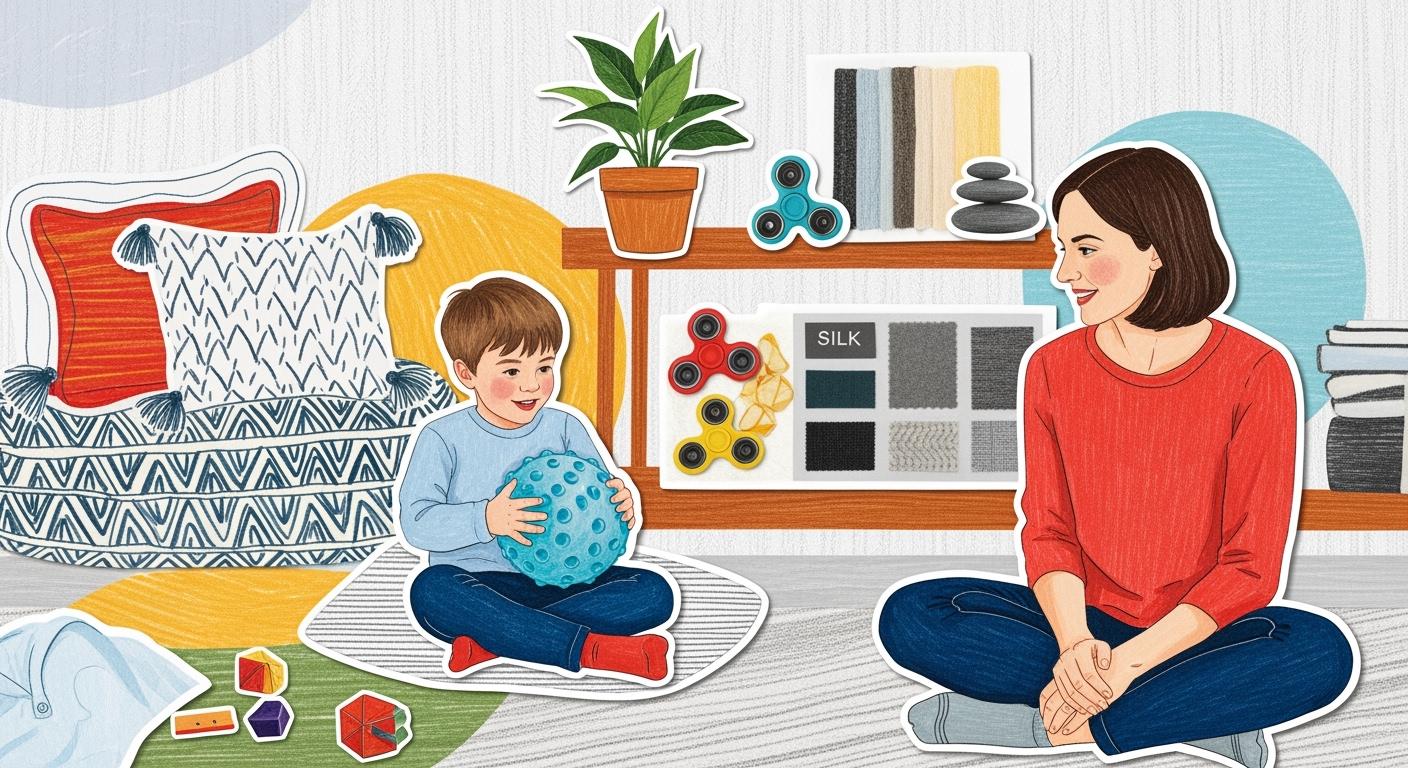
If you help autistic children, you know they need to feel calm and safe. Most autistic kids have trouble with sensory processing. This can make daily life hard:
About 74% to 95% have sensory differences.
Many kids show sensory-seeking or hypersensitive actions.
Simple calming sensory activities for autism, like deep pressure or a calm-down space, can help your child relax and handle feelings at home.
Key Takeaways
It is important to know your child's sensory needs. Watch what your child likes or does not like. This helps you pick the best calming activities.
Use deep pressure techniques such as hugs or weighted blankets. These things can lower anxiety and help your child relax.
Make a sensory-friendly space at home. Add soft lighting, calming sounds, and cozy corners. This helps your child feel safe and calm.
Sensory Regulation & Autism
Understanding Sensory Needs
You may see your child react a lot to sounds or lights. Many autistic kids have a hard time with sensory input. This can make daily life feel too much. Occupational therapists notice different sensory needs as kids grow. Here is a simple chart:
Age Group | Common Sensory Needs |
|---|---|
Toddlers (1–3 years) | Climbing, jumping, chewing on things, liking rough play |
Preschoolers (3–5 years) | Touching everything, messy play, loud talking, hard to sit still |
School-Age (6–12 years) | Chewing pencils, rocking in chairs, noisy play, wanting hugs or rough play |
Kids might want to move, feel pressure, or touch certain things. Some kids stay away from bright lights or loud sounds. Studies say over 70% of autistic kids have sensory processing problems. When you know what your child needs, you can help them feel better.
Tip: Watch what your child likes or avoids. This helps you choose the best calming sensory activities for autism.
Effects of Sensory Overload
Sensory overload is when too much input is hard for your child. You may notice:
Meltdowns or strong feelings
Staying away from busy places or crowds
Having trouble with daily routines
Behavioral Response | Impact on Well-being |
|---|---|
Meltdowns | Feeling upset, maybe being alone |
Withdrawal | Looking for quiet, missing time with others |
Anxiety | Feeling worried, hard to focus or talk |
When you help with sensory regulation, you help your child handle feelings and actions. Calming sensory activities for autism can help your child control emotions and join in daily life.
Calming Sensory Activities for Autism
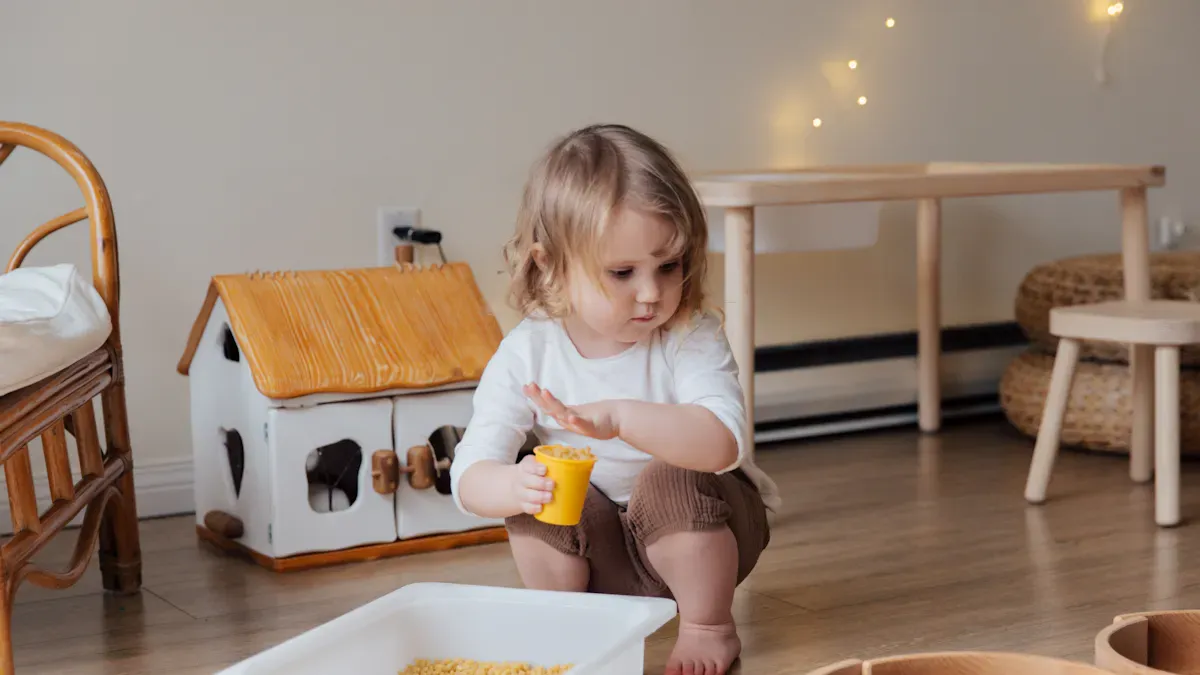
You can help your child feel calm at home. There are many calming sensory activities for autism you can try. These activities use simple things you already have. You do not need special equipment. It is important to find what your child likes best.
Deep Pressure & Movement
Deep pressure and movement can make many autistic children feel better. You can use a weighted blanket, give a firm hug, or do gentle squeezes. These actions help your child’s body feel safe and relaxed. Dr. Temple Grandin, who is autistic, said deep pressure therapy helped her with stress. Studies show deep pressure can lower anxiety and help your child calm down.
Deep Pressure Technique | How It Helps |
|---|---|
Weighted blanket | Lowers anxiety and helps with sleep |
Firm hug or squeeze | Gives a sense of security and comfort |
Gentle massage | Relaxes muscles and reduces tension |
Hug machine or pillow | Offers steady, calming pressure |
Movement is helpful too. Your child can jump on a mini trampoline, swing in a hammock, or rock in a chair. These activities give the body feedback and help your child focus. Experts say movement and deep pressure are good calming strategies for many autistic children.
Tip: Start with short times and see how your child feels. Some kids like more pressure, but others want a gentle touch.
Tactile Play & Texture Exploration
Touch is important for calming sensory activities for autism. You can use playdough, kinetic sand, or water beads. These sensory tools and activities let your child try different textures and find what feels nice.
Playdough sculpting makes hands stronger and helps with focus.
Finger painting lets your child show feelings and enjoy messy play.
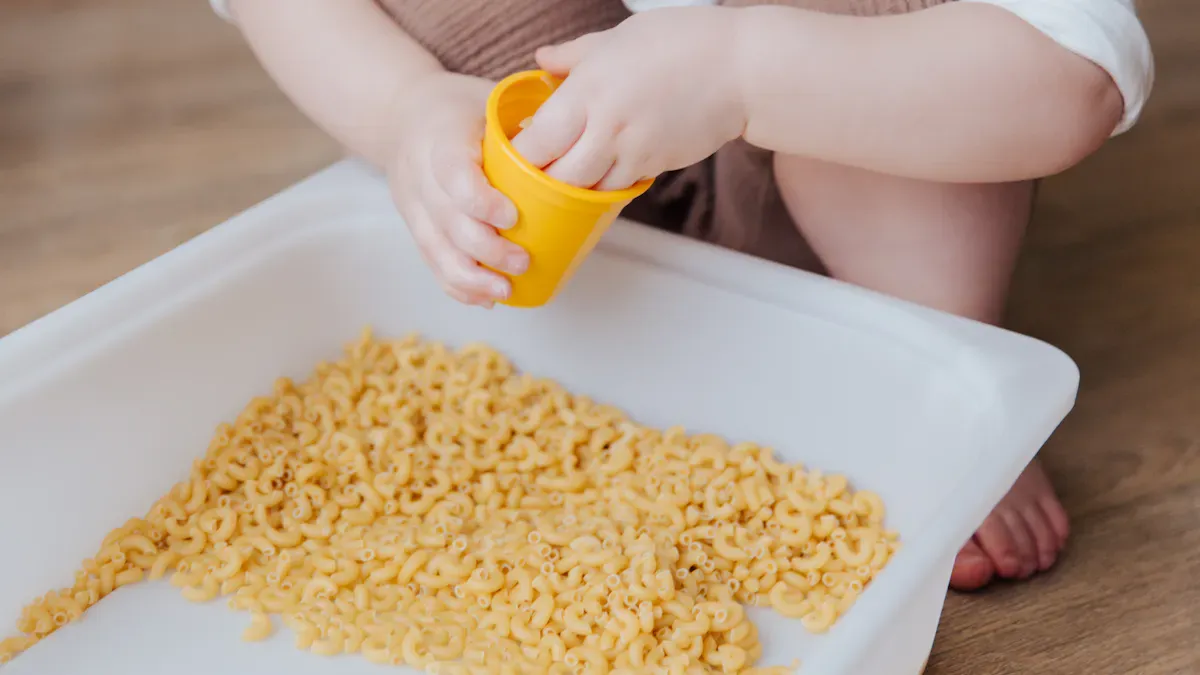
Sensory bins with rice, beans, or pasta are a safe way to explore touch.
Try new textures slowly. Begin with what your child already likes. If your child feels unsure, let them watch or touch with one finger. Over time, your child may like more textures. Tactile play can help with feelings and social skills, especially if you play together.
Note: Always watch your child during messy play. Some kids might put things in their mouth.
Creative Calming Tools
You can make calming sensory activities for autism more fun with creative tools. Try making sensory bottles with glitter and water. Watching the glitter move can help your child relax and focus. Fidget toys, like stress balls or stretchy bands, are easy to use at home or outside.
Type of Tool | Benefit |
|---|---|
Sensory bottle | Visual focus and calming effect |
Fidget spinner | Keeps hands busy and mind calm |
Chewelry | Safe way to chew and self-soothe |
Weighted lap pad | Adds gentle pressure for sitting tasks |
You can also use soft pillows, textured mats, or a cozy corner with blankets. These sensory tools and activities help your child feel comfortable and safe. Let your child pick what they like best. This helps them feel independent and makes calming time more fun.
Auditory & Visual Supports
Loud sounds and bright lights can be too much for some autistic children. You can use noise-canceling headphones to block loud noises. Soft music or nature sounds can help your child relax. Try dimming the lights or using a nightlight with soft colors. These changes make your home feel calm.
Support Type | How It Helps |
|---|---|
Noise-canceling headphones | Reduces stress from loud or sudden sounds |
Relaxation music | Lowers anxiety and helps with transitions |
Sensory lights | Creates a soothing visual environment |
Visual schedules | Shows what comes next and lowers uncertainty |
You can also use picture cards or charts to show your child what will happen next. This lowers stress and helps your child join in daily routines. Many families find that using both auditory and visual supports with other calming sensory activities for autism works well.
Oral Sensory Input
Some children need to chew or suck to feel calm. You can give safe things like chewelry, chewy tubes, or crunchy snacks. These sensory tools and activities give your child what they need without harm.
Chewelry is made for safe chewing and comes in fun shapes.
Crunchy foods like carrots or apple slices can help at snack time.
Drinking through a straw or blowing bubbles can also be calming.
Oral sensory input is a good calming strategy for kids who like mouth sensations. You can add these activities to meals or playtime to help your child stay calm.
Tip: Always watch your child when they use oral sensory items to keep them safe.
Calming sensory activities for autism work best when you pay attention to your child’s needs and change things as needed. Try different sensory tools and activities to see what helps your child feel calm and happy. Using calming strategies every day helps your child feel better and makes life easier for your family.
Easy Sensory Tips for Home
Everyday Sensory Tools
You don’t need fancy equipment to support your child’s sensory needs. Many families use everyday items as sensory tools. You might already have these at home:
Stress balls, pop-it toys, or rubber bands for fidgeting
Rice, beans, or pasta in a bin for scooping and pouring
Heavy blankets or quilts for deep pressure comfort
Printed picture schedules or dry-erase boards for routines
Yoga mats or jump ropes for movement breaks
Noise-canceling headphones or soft music for quiet time
Crunchy snacks or straws for oral input
These simple sensory tools can help your child focus, relax, or feel safe. Try a few and see which ones your child enjoys most.
Adapting Activities
Every child is different. You can adjust sensory activities to fit your child’s likes and dislikes. Some kids love messy play, while others prefer quiet corners. Here are a few ways to adapt:
Let your child help pick activities. This gives them a sense of control.
Set up a cozy space with pillows or blankets for comfort.
Change the activity if your child seems overwhelmed or bored.
You know your child best. Small changes can make a big difference in how they respond.
Tip: Watch for smiles, calm body language, or happy sounds. These signs show your child feels good with the activity.
Safety & Supervision
Safety comes first with sensory play. Always keep an eye on your child, especially with small items or messy materials. Here are some safety tips:
Avoid strong smells or foods that might cause allergies.
Use non-irritating materials for play.
Supervise closely, since some kids act quickly or put things in their mouths.
Write down any problems or accidents during activities.
If you set up a sensory space, make sure it doesn’t get too crowded. You can also talk with other caregivers about what works best for your child.
Note: Planning ahead and staying close helps your child enjoy sensory play safely.
Creating a Sensory-Friendly Space
You can make your home a sensory-friendly space with a few simple changes. This helps your child feel safe, calm, and ready to learn or play. A sensory-friendly environment gives your child a place to relax and recharge, both at home and when you go out.
Adjusting Light & Noise
Many autistic children feel better in a sensory-friendly environment with gentle light and less noise. You can try these ideas:
Use warm LED lights instead of bright fluorescent bulbs.
Install dimmer switches so you can change the brightness.
Add blackout curtains in bedrooms or quiet areas.
Put down rugs and hang curtains to absorb sound.
Try a white noise machine or play calming nature sounds.
These changes help create a sensory-friendly space that feels cozy and predictable. You can also keep the room tidy and use soft colors to make it even more calming.
Calm Corners & Go-Bags
A calm corner gives your child a safe spot to pause and self-regulate. You can set up a cozy area with bean bags, soft pillows, or a weighted blanket. This space lets your child practice calming strategies and helps prevent meltdowns. When you go out, pack a go-bag with favorite sensory tools, snacks, and headphones. This helps your child handle new places and keeps the sensory-friendly environment with you.
Tip: Let your child help choose what goes in the calm corner or go-bag. This builds independence and helps them learn what works best.
Sensory Toys & Fidgets
Sensory toys and fidgets are great for a sensory-friendly space. They help your child focus, relax, and manage extra energy. Here are some options:
Type of Fidget | How It Helps |
|---|---|
Squishy balls | Strengthen hands and give calming pressure |
Textured rings | Offer different touches for sensory input |
Liquid timers | Provide gentle visual stimulation |
Chewable necklaces | Support oral needs and self-soothing |
You can keep a basket of sensory toys in your sensory-friendly environment. This makes it easy for your child to grab what they need when they need it.
Routine & Visual Supports
Making routines and using visual supports can help your child. When things happen the same way each day, your child feels safe. This helps them get ready to learn new things. Routines give order to the day. This helps your child control their feelings and body. Many families see fewer meltdowns and more smiles when routines are clear.
Here’s why routines are important:
Benefit | Description |
|---|---|
Reduces Anxiety | Routines make life predictable and help lower anxiety for kids with autism. |
Enhances Emotional Regulation | Having a set routine helps kids control their feelings and act in positive ways. |
Promotes Independence | Knowing the routine helps kids do things by themselves and feel proud. |
Sensory Breaks
Sensory breaks are short times to pause and reset. You can use them after school or when your child feels stressed. These breaks can be jumping, stretching, or squeezing a stress ball. Sensory breaks help make the day feel safe and calm.
Sensory breaks let your child reset their senses.
Deep-pressure hugs or moving around can help balance feelings.
Taking breaks often can help your child feel less stressed and more confident.
Try these steps for sensory breaks:
Watch your child to see if they need to move or rest.
See how your child acts and change the break if needed.
Studies show sensory breaks help kids focus and feel less stress. They also make after school time and changes easier.
Visual Schedules
Visual schedules use pictures or charts to show what comes next. You can put them on the wall or in a notebook. Visual supports help your child talk, feel less worried, and know the routine. Experts say visual schedules help kids with autism switch activities without stress.
Visual supports make routines simple and easy to follow.
They help your child know what will happen, which lowers worry.
You can change the schedule as your child grows or needs new things.
Make your visual schedules special. Use your child’s favorite colors or pictures. This makes them fun and helpful. With visual supports, you make the day feel safe and calm for your child.
You can help kids feel calm by trying different calming strategies for autism and seeing what helps. Each child is different, so you should change things if needed. Families often see these results:
Outcome | Description |
|---|---|
Improved Sensory Processing | Kids deal with sensory input better and feel less stressed. |
Emotional Stability | Calming strategies for autism help with feelings and meltdowns. |
Developmental Skills | Kids get better at talking and making friends. |
Calming strategies for autism make routines simpler.
Calming strategies for autism help your child join in and feel sure of themselves.
When you support your child’s needs, you give them hope and comfort.
FAQ
What if my child does not like a sensory activity?
That is okay! You can try something else. Every child has different needs. Watch what makes your child smile or relax.
How often should I use calming sensory activities?
You can use them every day. Short breaks work well. Try them before school, after school, or when your child feels stressed.
Can I make sensory tools at home?
Yes! You can use rice bins, homemade playdough, or even a soft pillow. Simple items often work best for calming.
See Also
Understanding Sensory Challenges in Autism and Their Solutions
How Sensory Toys Create Calm During Playtime for Kids
Top Strategies for Utilizing Sensory Toys to Soothe Kids

