Effective Sensory Therapy Strategies for Autistic Children
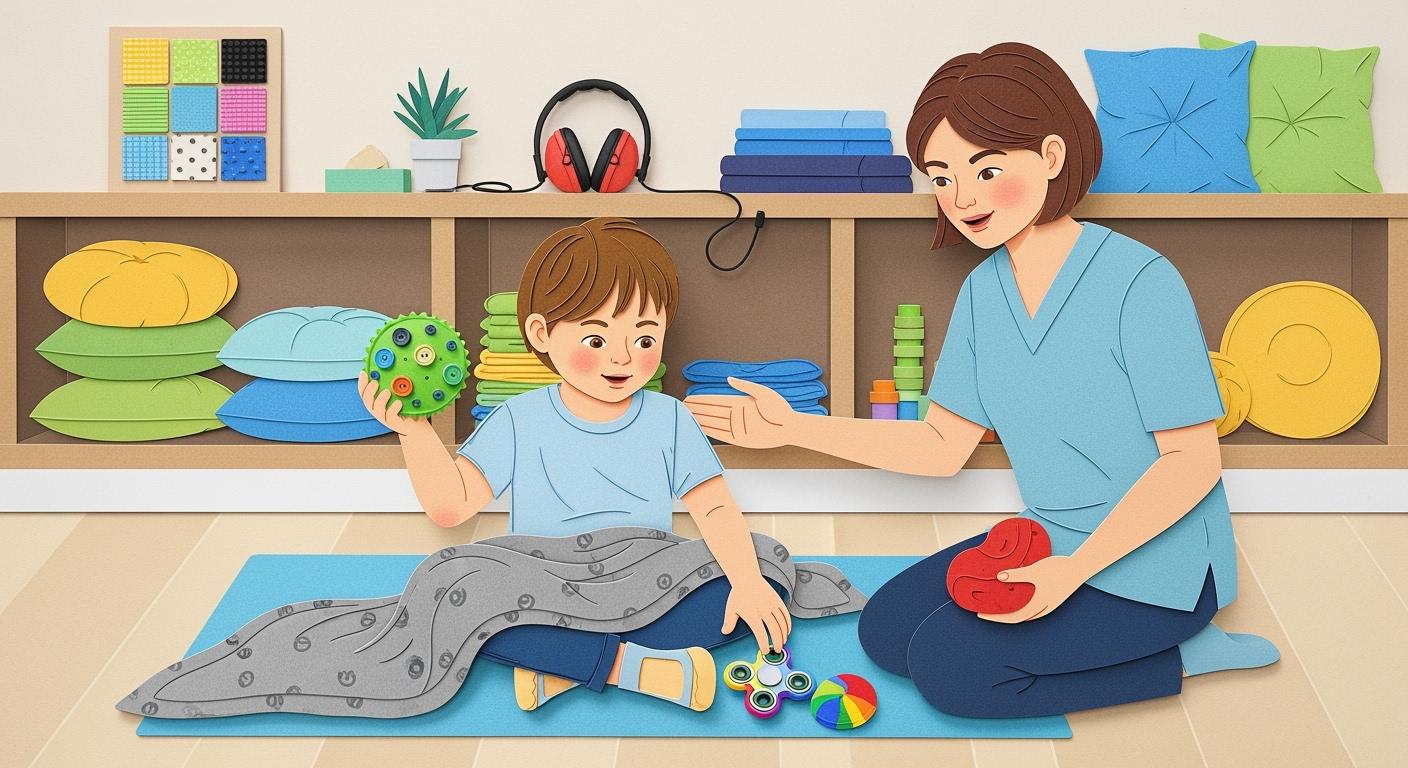
Many children with autism have special sensory processing problems. Research shows that over 90% of these children have sensory issues. These issues can affect their daily routines and feelings. Using autism sensory therapy can help your child feel better and more involved in daily life. Sensory activities can help children control their emotions. These activities can also make things like eating or going to bed easier. You, caregivers, and professionals are important in making a helpful place for children with autism.
Key Takeaways
Sensory therapy helps autistic children handle sensory input better. It can make daily life easier and help with feelings.
Having set routines and sensory-friendly places at home and school helps a lot. It can lower anxiety and help kids focus more.
Tools like weighted blankets, fidget toys, and noise-canceling headphones are useful. They help children calm down and feel safe.
Doing activities that use many senses helps kids learn and make friends. It lets them show how they feel and grow their confidence.
Check your child's progress often and change sensory strategies when needed. This helps make sure they get the right support as they grow.
Autism Sensory Therapy Basics
What Is Sensory Therapy
Sometimes, your child may react strongly to sounds or lights. Sensory therapy helps children with autism handle these reactions. It focuses on how the brain deals with information from the senses. These senses are sight, sound, touch, taste, smell, and balance. Some children feel too much from certain sensations. Others may not notice them at all.
Occupational therapists use autism sensory therapy to help children adjust. They pick activities that fit your child’s needs. For example, your child might play with toys that feel different. Your child might swing or jump on a trampoline. These activities help the brain learn to deal with sensory input better.
Sensory integration therapy (SIT) is a common method. It helps your child’s thinking, movement, and feelings.
Ayres Sensory Integration® (ASI®) is another way. It uses planned activities to help your child become more independent.
ABA therapy can also use sensory strategies that match your child’s needs.
Why Sensory Support Matters
Autism sensory therapy can help your child every day. Using proven sensory therapies helps your child feel calm and focused. These therapies can improve social skills, self-control, and learning.
Tip: Giving sensory support at home and school helps your child feel safe and ready to learn.
Studies show that proven sensory therapies, like SIT, help with sensory processing and social skills. Children who get these therapies often have fewer hard behaviors. They also become more independent in daily routines.
Study Type | Findings | Assessment Tools |
|---|---|---|
Randomized Controlled Trial | SPM, SRS, GAS | |
Neurological Sensory Theory | Sensory toys and SI help with regulation and social skills. | N/A |
Autism sensory therapy works best when it fits your child’s needs. You can work with experts to make a plan for your family. Over time, your child may feel more comfortable and confident in different places.
Understanding Sensory Processing in Children with Autism
Types of Sensory Differences
Children with autism often react to things in special ways. Their sensory processing is not the same as other kids. Some children feel overwhelmed by loud sounds or bright lights. Others may not notice these things at all. These differences are called sensory hypersensitivity or sensory hyposensitivity. Some children want certain sensations. Others try to stay away from them.
Here is a table that shows the main types of sensory differences you might see:
Type of Sensory Difference | Description |
|---|---|
Sensory Hypersensitivity | Children feel things more strongly. They might cover their ears when it is loud or avoid touching some things. |
Sensory Hyposensitivity | Children need stronger feelings. They may like loud noises or not notice pain. |
Sensory Seeking | Children look for sensory experiences. They might spin or touch things a lot. |
Sensory Avoiding | Children try to avoid too much sensory input. They may stay away from crowds or not eat some foods. |
Children with autism can have more than one sensory difference at once. A child might cover their ears at a loud event but also want big hugs or rough play.
Impact on Daily Life
Sensory differences can change many parts of life for children with autism. Too much sensory input can make it hard to pay attention in class or join groups. Your child may have trouble with things like bathing, dressing, or eating if some feelings bother them. Social times can be hard if noise or crowds are too much.
Sensory processing can make it hard to learn or focus in busy places.
It may be easier to talk to others in quiet rooms.
Routines like getting dressed or brushing teeth can be tough if some textures or sounds bother your child.
It is harder to control feelings when there is too much sensory input.
Sleep can be hard if your child is sensitive to how things feel or changes in the room.
Children with autism may react more to sensory input than other kids. They might feel upset or want more stimulation. Knowing these patterns helps you support your child and make life calmer and more predictable.
Supporting Sensory Needs at Home and School
Daily Routines and Consistency
You can help children with autism by making routines simple. Many children feel better when things happen the same way each day. Use pictures and timers to show what will happen next. This can help your child feel less worried and not get too overwhelmed. Let your child pick foods with textures they enjoy. When brushing teeth or taking a bath, use soft touches. Let your child choose their own soap or towel. At bedtime, try using weighted blankets or deep breathing to help your child relax. Yoga or stretching before sleep can also help with sensory needs. If your child has trouble with changes, give a warning before switching activities. This helps your child feel safe and ready for what comes next.
Tip: Keep rooms clean and remove extra stuff to stop distractions that can make sensory overload worse.
Creating Sensory-Friendly Spaces
Making home and school comfortable helps children with autism feel safe. Use lights that can be made dim or use soft lamps to stop bright light. Headphones that block noise or machines that make white noise can help with loud sounds. Give your child different seats, like balance balls or bean bags, to help with movement. Make a calm spot with soft colors and not too many decorations. Sensory tools like fidget toys or weighted stuffed animals give children something to hold or squeeze. In class, teachers can use picture schedules and let students use fidget tools to help them focus. Flexible chairs and quiet spots let children move or take breaks when they need to. Change your setup as your child’s needs change. This helps you keep supporting your child and stop sensory overload.
Autism Sensory Therapy Techniques

Deep Pressure and Tactile Input
Deep pressure and tactile input can help your child with sensory problems. Weighted vests, blankets, and textured objects give calming feelings. These tools help your child feel less anxious and more in control. Many children with autism do better with deep pressure activities. Studies and experts say these methods lower stress and tough behaviors. Sensory integration therapy often uses deep pressure tools to help children feel balanced. When your child feels calm, they can pay attention and join in daily life.
Weighted products help your child stay calm during hard times.
Tactile input, like weighted vests, helps control feelings and reactions.
Weighted items give proprioceptive input, which calms strong touch responses.
Occupational therapists help you pick the best tools for your child. They use sensory integration therapy to match activities to your child’s needs. You might see your child relax with a weighted blanket or like squeezing textured toys. These sensory-based activities help your child feel safe and at ease.
Note: Deep pressure therapy works best when it is part of a sensory integration therapy plan made for your child.
Alternative Seating and Movement Tools
You can help your child’s sensory needs with special seats and movement tools. Therapy balls, wobble cushions, and bean bags give different ways to sit. These tools help your child stay focused, especially at school. One study showed therapy balls helped children with autism sit better and join in more. Sensory-based activities like special seats let your child move and change how they sit. This helps stop fidgeting and keeps their attention.
Movement tools, like mini trampolines and swings, give important proprioceptive and vestibular input. These tools help your child handle sensory problems by giving steady movement. They help with balance, coordination, and knowing where their body is. Your child may feel braver and less stressed after using these tools. Sensory integration therapy often uses movement breaks and heavy work. Occupational therapists make these plans for your child.
Mini trampolines and swings help your child control feelings.
Movement tools lower sensory overload and help your child join in.
Flexible seating helps meet sensory integration therapy goals.
Tip: Try different seats and movement tools to see which ones help your child stay calm and focused.
Multi-Sensory Activities and Play
Multi-sensory play helps your child learn through touch, sight, sound, and movement. Sensory bins, playdough, and water stations give fun ways to explore. These activities help calm the brain and improve focus. Sensory-based activities like sensory walks and art help your child be creative and express themselves. Your child can scoop, pour, and play with objects to build fine motor skills.
Occupational therapists use sensory integration therapy to plan these activities. They make sensory diets with routines and calming tasks. These plans help your child control their feelings and do better each day. You can use sensory bins to help your child talk about what they feel and see. Your child may describe textures, colors, or things in the bin. Playing together helps your child talk with others and feel more sure of themselves.
Benefit | Description |
|---|---|
Tactile Exploration | Calms the brain, lowers anxiety, and helps your child focus. |
Fine Motor Development | Gets better as your child scoops, pours, and moves small things. |
Language and Communication | Grows as your child talks about textures, colors, or items in the sensory bin. |
Cognitive Development | Improves with matching, sorting, counting, and putting things in order. |
Social Interaction | Happens when your child plays and explores with others. |
Emotional Regulation | Gets better with touch and smell, helping your child manage mood and energy. |
Creativity and Self-Expression | Grows with activities like making shapes with playdough, letting your child create and share ideas. |
Occupational therapists are important in sensory integration therapy. They help your child handle sensory input with planned activities. These experts make sensory-based activities that build motor skills, social skills, and help control feelings. You can work with them to make a sensory plan just for your child. Personal sensory plans help your child control feelings, have fewer meltdowns, and focus better. Your child can enjoy being with others and become more independent.
Callout: Sensory integration therapy and sensory-based activities work best when you change them for your child and check progress often.
Calming Strategies for Kids with Autism

Emotional Regulation Tools
You can help your child handle feelings with the right tools. Many children with autism need help to learn self-regulation. Your child may feel upset by loud sounds or bright lights. Calming strategies for kids with autism use sensory tools and changes in the environment. Try weighted blankets, noise-canceling headphones, or fidget toys. These items bring comfort and help your child focus on self-regulation.
You can use visual aids like the Zones of Regulation or the 5 Point Scale. These tools help your child name feelings and ask for help. Mindfulness techniques, like Cookie Breathing or Rainbow Breathing, teach your child to slow down and notice their breath. Deep breathing and gentle touch can lower stress and help emotional regulation. Make a calm-down space at home or school. This gives your child a safe place to practice self-regulation and feel in control.
Tip: Safe places and routines help your child with emotional regulation. Calming methods work best when they fit each child.
Simple Calming Activities
Simple activities help your child with self-regulation and emotional regulation every day. Breathing exercises, like belly breathing or pretending to blow up a balloon, slow the heart rate and bring calm. Mindfulness practices, like guided imagery, help your child stay in the moment. You can use sensory activities like squeezing playdough or listening to soft music. These activities help self-regulation and lower stress.
Try making a routine with regular breaks for calming strategies for kids with autism. Use quiet time or gentle movement to help your child reset. A calm-down space with soft lighting and favorite sensory tools can help a lot. When you use these calming activities, you help your child build emotional regulation and self-regulation skills for life.
Calming Activity | How It Helps Your Child |
|---|---|
Deep Breathing | Lowers stress and helps self-regulation |
Mindfulness Exercises | Builds emotional regulation and focus |
Sensory Play | Calms the brain and body |
Quiet Time | Gives space for self-regulation |
Gentle Movement | Releases energy and helps calm |
Collaboration and Family Involvement
Working with Professionals
You are important in your child’s sensory therapy. Working with professionals, like occupational therapists, helps your child do better. You can join therapy sessions and learn ways to help at home. When you work together, your child gets more support from everyone.
Here are some good ways to work with professionals:
Plan therapy sessions together so everyone knows what is happening.
Stay active and ask questions during meetings.
Try the same activities at home that your child does in therapy.
Check how your child is doing and talk about changes with the team.
Learn about sensory needs and ask for help if you need it.
Therapists often pick activities your child likes. These activities help your child want to join in and make progress. Meeting with your team often helps you change plans and celebrate when things go well.
Empowering Families
There are many resources to help your family. The STAR Institute has research and guides about Sensory Processing Disorder. You can read new ideas and find answers to your questions. Many websites give tips to make home and school easier for your child. Sensory rooms are safe places where your child can play and learn new skills.
Here are some helpful resources for families:
Libraries with articles about sensory processing.
Guides for parents and teachers about sensory support.
Sensory rooms with tools and equipment for practice.
You can use these resources to learn about strategies just for your child. When you feel sure of yourself, you can help your child do their best. Working with your team and using family resources helps your child grow and succeed.
Adapting Sensory Strategies Over Time
Monitoring Progress
You are important in watching your child’s progress in sensory therapy. Progress tracking tools help you see if things are working. These tools let you write down changes and notice patterns. You can use easy charts or apps with settings you can change. Many tools let you add notes, so you can share updates with therapists.
Watching your child gives you quick feedback. You can look at your child during therapy or at home. Notice how your child acts during sensory activities. Look for signs like being calm, paying attention, or feeling stressed. Checklists or rating scales give scores that show how your child is doing. These tools measure skills and actions over time.
Parent reports are also helpful. You know your child better than anyone else. What you see every day helps therapists learn about your child outside the clinic. When you share what happens at home or school, you give a full picture of your child’s growth.
Tip: Pick a progress tracking tool that is easy to use. Choose one that lets you change settings and add your own notes. This helps you keep track of changes and include your family in therapy.
Adjusting Approaches
Sensory needs can change as your child gets older. You need to change strategies to fit new problems. Check progress often with your therapy team. If your child has trouble with something, try a new sensory tool or activity. Flexible plans help you make changes fast.
You can use a table to compare what works:
Current Strategy | Signs It Works | Signs It Needs Change |
|---|---|---|
Weighted blanket | Calm at bedtime | Restless or anxious |
Noise-canceling headphones | Focused in class | Distracted or upset |
Sensory bins | Engaged in play | Avoids or ignores |
If you see a sign that something is not working, talk to your therapist. Try new things or change the space around your child. Keep routines the same, but be ready to try new ideas. Your child’s needs can change, so watching closely and being flexible helps your child grow.
Callout: Changing sensory strategies over time makes sure your child gets the right help at every age.
You can help your child with autism by using sensory therapy that matches their needs. These methods help your child handle sensory input better. They also lower sensitivities and build skills like talking and moving. Changing strategies as your child grows helps them join in more, control feelings, and become independent.
Benefit/Outcome | Description |
|---|---|
Enhanced Participation | Sensory strategies help your child join daily activities like self-care and play. |
Improved Emotional Regulation | These methods help your child handle emotions better. |
Reduced Behavioral Challenges | Your child may have fewer meltdowns and less self-injury or aggression. |
Increased Independence and Confidence | Personalized methods help your child feel more independent and confident. |
You can find training, workshops, and online classes to learn more. Working with therapists and teachers gives your child steady support. Keep learning and changing your approach to help your child do their best.
FAQ
What is the best sensory tool for my child?
You need to try different tools to see what works. Weighted blankets, fidget toys, and noise-canceling headphones help many children.
Tip: Ask your occupational therapist for advice before buying new sensory tools.
How do I know if my child needs sensory therapy?
You may notice your child avoids sounds, touches, or lights. Your child may seek movement or get upset in busy places.
Watch for strong reactions to everyday things.
Talk to your doctor or therapist for guidance.
Can I do sensory activities at home?
Yes, you can use simple items like playdough, swings, or soft lighting. You can create a calm space with pillows and favorite toys.
Home Activity | Benefit |
|---|---|
Playdough | Calms and focuses |
Swinging | Improves balance |
How often should my child use sensory strategies?
You should use sensory strategies every day. Add them to routines like morning, after school, and bedtime.
Note: Consistency helps your child feel safe and ready to learn.
See Also
Effective Therapies To Address Sensory Challenges In Autism
Steps To Create A Sensory Gym For Kids With Autism
Benefits Of Sensory Rooms For Kids Living With Autism

