Affordable Ideas for Setting Up a Sensory Room This Year
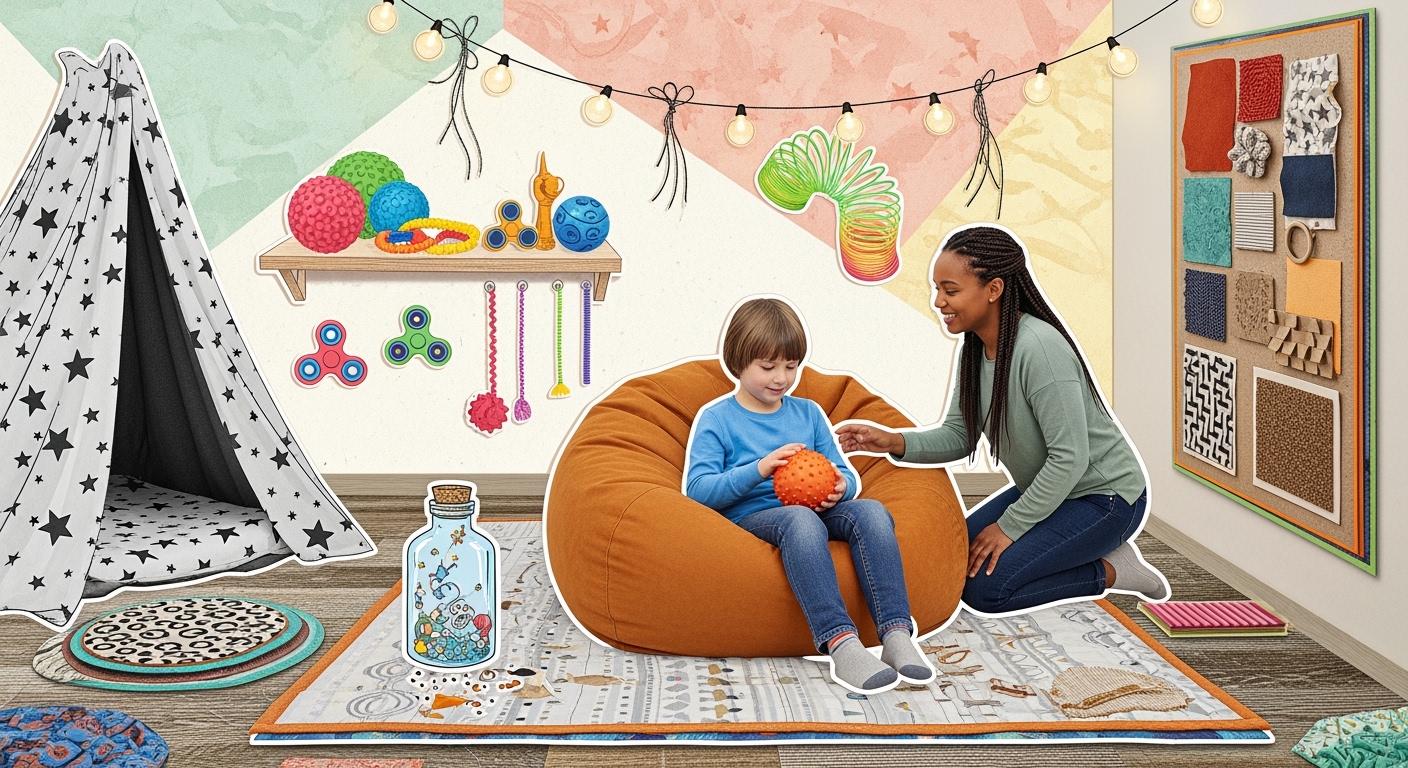
Yes, you can create a sensory room affordably. You don’t need to be an expert or have a huge house. Anyone can set up a sensory-friendly space that helps reduce stress. Picture your loved one relaxing, feeling calm, and enjoying their own special spot. Want to see a big difference in their mood? You’ll find simple ideas that work for every home.
Key Takeaways
You can make a sensory room without spending much money. You can use things you already have at home. Pick a quiet and safe spot for your sensory space. This helps lower stress and stops sensory overload. Use soft lights and calm colors in your sensory room. This makes the room feel relaxing. Add things you can touch, like weighted blankets and sensory toys. These help you feel comfortable and interested. Keep your sensory room neat and free of clutter. This helps you focus and relax.
What Is a Sensory Room?
Purpose and Benefits
A sensory room is a special area made to help with sensory needs. You can use this room to relax or calm down when you feel stressed. Many people say a sensory room helps them feel better every day.
Sensory rooms are made for people’s sensory needs.
They help you calm down and pay attention.
These rooms give the right sensory input for each person.
You might see that a sensory room helps people with sensory processing problems. These rooms are calm and help stop sensory overload. This is very helpful for people with autism or sensory processing disorders. When you spend time in a sensory room, you may feel less worried and more interested in things.
Did you know? In one study, 78.2% of caregivers said sensory room therapy helped people with different needs. Many kids joined in more activities, and almost all caregivers would tell others to try sensory support.
Here’s a quick look at some main results from using a sensory room:
Key Outcomes | Description |
|---|---|
Reduced repetitive behaviors | Kids do fewer repeated actions when they control sensory input. |
Improved emotional regulation | Multisensory rooms help lower stress and worry. |
Enhanced attention & engagement | Kids focus better during sensory activities. |
Academic & behavioral gains | Kids join in more and have fewer problems over time. |
Who Needs a Sensory Room
You may wonder who gets the most help from a sensory room. Sensory-friendly rooms help many people, not just those with a diagnosis. If you or someone you know has trouble with sensory processing, a sensory room can really help.
People who often need a sensory safe space include:
Those with autism spectrum disorder
Individuals with sensory processing disorder
People with learning disabilities
Children and adults with anxiety or ADHD
Anyone with behavior or mood problems
Individuals with cerebral palsy or Down syndrome
People who have trouble with talking, moving, or social skills
If you see someone having a hard time with sensory processing, a sensory room can give them a safe place to rest and feel better. You can make sensory support for anyone who needs it, no matter their age or ability.
Creating a Sensory Room on a Budget
Assessing Your Space
You don’t need a huge room to start creating a sensory room. Begin by looking at the space you have. Maybe you have a corner in your living room, a closet, or even a spot under the stairs. Think about the size, shape, and how much light comes in. Spaces without windows often feel calmer. Make sure the area has good ventilation and stays comfortable. You want your sensory space to fit your needs and help with sensory processing. If you have sensory processing difficulties, a quiet spot can make a big difference.
Tip: You can create a sensory corner or use portable solutions if you don’t have a full room.
Choosing a Location
Pick a spot that feels safe and quiet. You might use a bedroom, a basement, or a small nook. Try to avoid busy areas with lots of noise. If you live in a small apartment, you can still set up a home sensory space. Look for places where you can control the environment. You want to include things that help with sensory processing, like soft lighting or gentle sounds. Start small and use what you already have. Repurpose old beanbag chairs, blankets, or pillows. Shop at secondhand stores or online marketplaces for deals. Ask friends or your community for donations. Fundraising events like bake sales can help you get sensory equipment.
Decluttering and Preparation
Clear out clutter to make your sensory space feel calm. An organized area helps you focus and prevents sensory overload. Use clear storage bins to sort toys and supplies. Label containers with words or pictures so you can find things easily. Keep decor simple to avoid visual clutter. Create stations for reading, crafts, or quiet time. Open shelving and clutter-free surfaces help you move around without stress. If you keep the layout consistent, you’ll feel more comfortable and safe.
Note: A clutter-free sensory room supports children and adults with sensory processing disorder by reducing distractions and promoting relaxation.
Sensory Room Essentials

You don’t need a lot of money to set up a sensory space. You can make a calm area with just a few important things. Use your creativity to save money. Let’s see what you need for your sensory room and how to keep costs low.
Mood Lighting and Calming Colors
Lighting and color change how you feel in a sensory room. Soft lights and gentle colors help you relax. Stay away from bright-white lights or flashing lights. Try using LED smart bulbs, fiber-optic strands, or bubble tubes. These choices make calming light displays and help you feel peaceful.
Here are some cheap lighting ideas:
Black UV lights fit in normal lamps and make white clothes glow.
Kaleidoscope lamps show moving colored lights on walls or ceilings.
Hand-held sensory lights, like shake-and-shine or light-up tambourines, are fun and easy to carry.
LED bulbs let you pick colors to match your mood.
Fiber-optic strands are soft and safe for everyone.
Calming colors also help set the mood. Cool colors like blue, green, and purple help you feel calm. Pastel colors, like light pink and blue, help kids relax. Neutral colors like gray, brown, and tan are good for accents.
Color | Effect on Mood |
|---|---|
Soft Blues | Helps you relax and feel safe |
Soft Greens | Lowers stress and brings calm |
Pastels | Fun but not too exciting |
Pale Aqua | Feels fresh and calm |
Dusty Blues | Helps you focus and feel steady |
Soft Neutrals | Makes the room less tense |
Blue Light | Makes you feel calm |
Red Light | Can make you feel upset |
Natural Light | Lifts your mood and helps you learn |
Tip: Paint one wall a calm color or use removable wallpaper. Hang colored curtains or add colored pillows for a quick change.
Weighted Blankets and Tactile Pillows
Weighted blankets and tactile pillows are important for any sensory room. They give deep pressure that helps you relax and feel better. Many people with sensory challenges say weighted blankets lower anxiety and help them sleep.
You don’t have to buy expensive blankets. Try these cheap ideas:
Use wool blankets, quilts, or comforters for extra weight.
Put more blankets inside a comforter cover to make it heavier.
Make a weighted bag with rice or beans in a fabric pouch.
Use a heavy wool blanket for warmth and weight.
Wear compression clothes for a gentle squeeze.
Stack blankets to get the right weight.
Tactile pillows with different textures, like fuzzy, bumpy, or smooth, give you comfort and sensory input. You can sew pillow covers with fabric scraps or buy cheap ones at thrift stores.
Note: Weighted blankets help kids and adults with autism, ADHD, or anxiety feel calm and sleep better.
Item Description | Price (GBP) | Price (USD) |
|---|---|---|
Weighted Grey Blanket – 10 lbs. | N/A |
Storage Bins and Organization
Keeping your sensory room neat makes it easier to use. Too much stuff can cause stress and overload. Use clear bins, labeled containers, and simple shelves.
Here are some cheap storage ideas:
Sterilite bins come in many sizes and help you sort by theme.
Bulk food containers are free and good for storing fillers and small items.
Photo bins are clear and great for organizing sensory play items.
Candy jars can hold legos or fillers and look nice on shelves.
IKEA furniture, like TROFAST or KALLAX, is cheap and easy to use.
Try these tips for organizing:
Set aside storage for things that clutter surfaces.
Use matching containers for a tidy look.
Label bins with words or pictures so you know what’s inside.
Keep flat surfaces clear.
Make routines to clean up and sort things often.
Callout: Work with your family to make rules for keeping things organized. This helps your sensory room stay useful and calm.
Soothing Sounds and Music
Sound is important in a sensory room. Calm music and gentle sounds help you relax and focus. Use a small speaker or headphones to play soft tunes.
Popular choices are:
Nature sounds like waves or leaves.
Simple songs like “Twinkle Twinkle Little Star” or “Rock-A-Bye-Baby.”
Auditory integration training uses filtered sounds to help with sensory processing.
You don’t need to pay for music. Many free options are online:
Tip: Play soft music during transitions or before bed to help everyone relax.
Sensory Toys and Walls
Sensory toys and wall features make your sensory room fun and interesting. Use tactile toys, fidget items, and wall panels to engage your senses.
Therapists suggest these popular choices:
Play-Doh or modeling clay for touch play.
Spin Again toy for calming visual input.
Star/light projector for soothing visual effects.
DIY sensory bottles for visual and self-regulation.
Kinetic sand for creative touch play.
Pop tubes and fidget toys for quick stimulation.
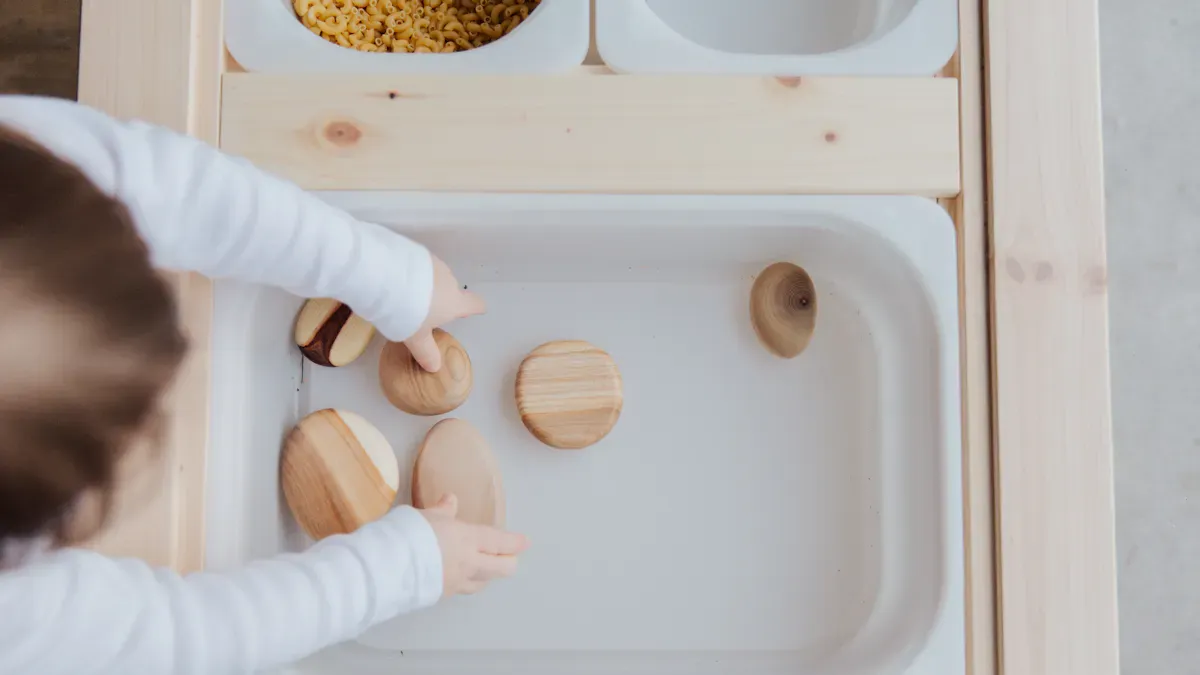
Sensory bins with different materials for multi-sensory play.
Tactile tiles for exploring textures.
You can make your own sensory wall with simple supplies:
Supplies/Tools for Sensory Wall | Description |
|---|---|
Plywood | Base for wall panel |
Paint | Background color |
Silicon ice trays | Textural element |
Touch lights | Interactive lighting |
Metal baking trays | Magnetic surface |
PVC ball chute | Fun activity for balls |
Weighted blanket | Calming input |
Sensory swing | Movement and balance |
Crash mat | Safe landing area |
Waterfall sensory light kit | Visual stimulation |
Nursery projector | Projected imagery |
Sound system | Auditory input |
Callout: Use things like fabric scraps, bottle caps, or old toys to make a sensory wall. Let your child help design it for a special touch.
A sensory room can have crash mats, therapy swings, balance boards, and noise-canceling headphones if you have space and money. These items help with sensory processing and movement skills. Add them as your sensory room grows.
Making a sensory space is about meeting your needs and feeling comfortable. Start with the basics and add new things as you find what works best for you or your loved one.
Customizing Your Sensory Space
Adapting for Different Ages
You can make a sensory space for anyone. Ask each person what they like. Find out their favorite colors, sounds, and textures. Pick a quiet place away from loud noises. Stay away from bright lights. Use soft or natural light to help people relax. Add soft pillows and things you can touch. Noise-canceling headphones help block out sounds. Teach caregivers about sensory processing. This way, everyone feels included.
Strategy Type | Description |
|---|---|
User Engagement | Let people help design the space so it fits their needs. |
Location Selection | Pick a quiet spot away from noise and bright lights. |
Lighting Solutions | Use soft or natural light instead of harsh lights. |
Acoustic Considerations | Use soundproofing and headphones to keep things quiet. |
Tactile and Visual | Add different textures and things to look at, like soft pillows. |
Education and Training | Teach caregivers about sensory needs so everyone feels welcome. |
Personalizing for Unique Needs
Everyone has different sensory needs. Choose items that fit each person. Try using different lights and colors to help people feel good. Let people with autism pick what goes in the room. Use soft things, calm sounds, and favorite toys. Work with families and experts to find what works best. Knowing what each person likes helps you make a better space.
Making the space personal helps people feel calm.
Pick things that match each person’s needs.
Let people help choose what goes in the room.
Use different lights and colors to make it comfortable.
Special sensory ideas help people join in and feel good.
Families and experts should work together.
Safety and Maintenance
Safety is very important in a sensory room. Check for sharp corners and cover them. Make sure equipment is safe and secure. Use battery lights and cover outlets. Pick materials that are safe and do not cause allergies. Keep small things away from kids and use locks. Leave space between things so people can move easily. Clean the room often and use things that are easy to wipe.
Category | Guidelines |
|---|---|
Physical Safety | No sharp edges, use padding, check equipment, and inspect often. |
Electrical Safety | Use battery lights, cover outlets, keep cords safe, and use low-voltage lights. |
Material Safety | Use safe materials, soft fabrics, avoid small parts, and lock up storage. |
Tip: Clean your sensory room often to keep it safe. Train staff so they know how to use everything.
Best Practice | Description |
|---|---|
Pick things that are easy to clean to keep the room safe. | |
Multi-Sensory Tools | Use different sensory items so everyone has a good experience. |
You can make a sensory room that changes as you need it. Keep it safe, clean, and nice for everyone.
You only need a few things to begin your sensory room. Some people worry about money or not having much space. You can use things you already have at home. Start with a small area and add more later.
Challenge | Solution |
|---|---|
High costs | Use what you already own |
Limited space | Begin with a small spot |
Need for items | Buy a few things and add more later |
Even small changes can help with sensory processing and lower stress. The MSU Library made a sensory room that people called a safe place. People felt thankful and saw better sensory processing. Try new things to make your sensory room work for you. Take the first step and see how your space gets better.
FAQ
How much does it cost to set up a sensory room?
You can start for less than $100 if you use items you already own. Thrift stores and DIY projects help you save money. Add new things as your budget grows.
Can I make a sensory room in a small space?
Yes! You can use a corner, closet, or even a tent. Small spaces work well if you keep them organized and clutter-free. Start with a few essentials.
What are the best DIY sensory room ideas?
Try homemade sensory bottles, weighted lap pads with rice, or tactile pillows from fabric scraps. You can use LED bulbs for mood lighting. Get creative with what you have.
Who benefits from a sensory room?
Kids and adults with autism, ADHD, anxiety, or sensory processing challenges find sensory rooms helpful. Anyone who needs a calm space can benefit.
How do I keep my sensory room safe?
Tip: Check for sharp edges and secure heavy items. Use battery-powered lights. Clean surfaces often. Keep small objects out of reach if young children use the room.
See Also
Affordable DIY Sensory Room Concepts for Every Budget
Comprehensive Budget-Friendly Guide to Creating a Sensory Room
Essential Tools for Educators to Create Sensory Rooms
