Exploring the Latest Scientific Advances in Sensory Integration Therapy Rooms
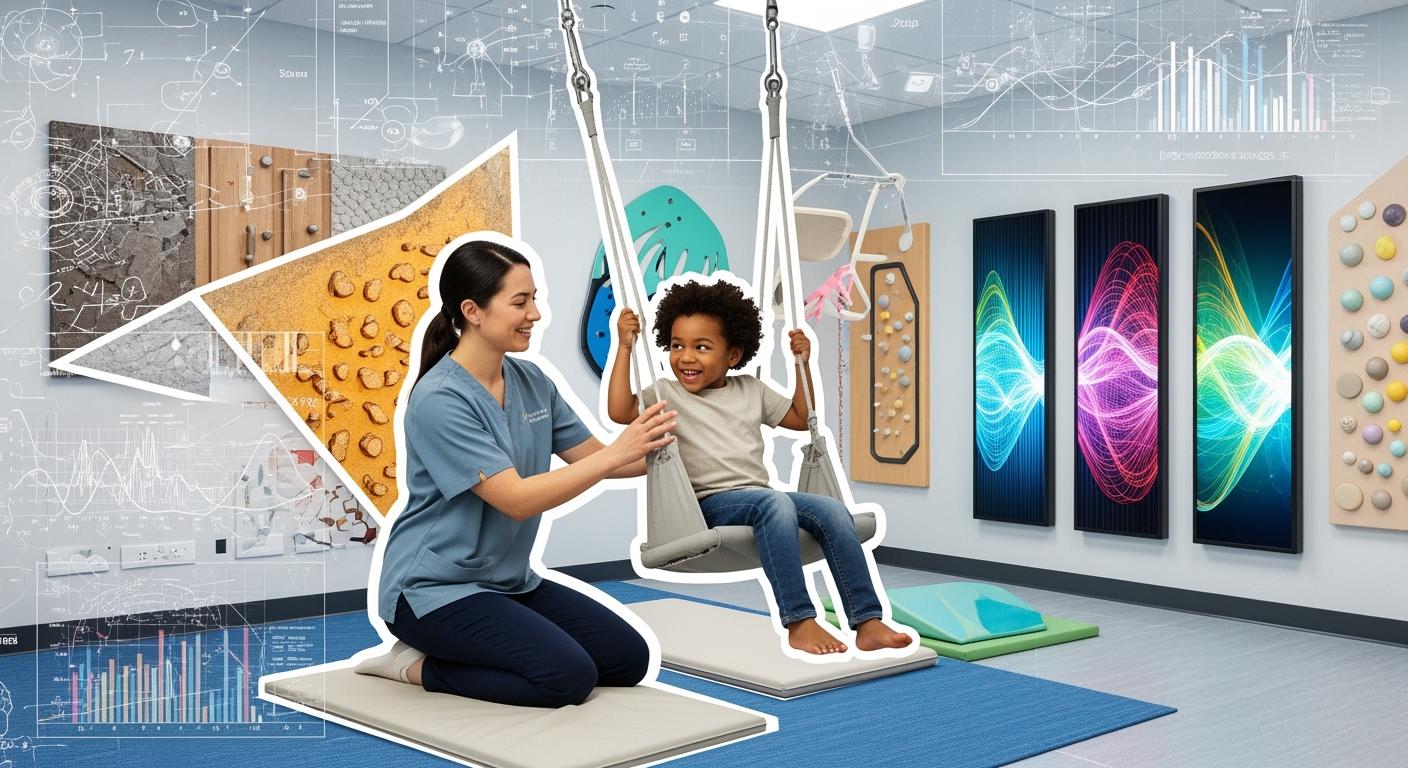
You now see sensory integration therapy room designs change quickly in 2026. Researchers say adaptive lighting, calming zones, and smart technology help you control sensory input. These things also help lower anxiety. Studies show that using sensory equipment can help you focus better. It also helps you handle stress. The table below shows new findings:
Study | Outcome |
|---|---|
Lotan and Gold (2009) | Better adaptive functioning and behavior with sensory rooms. |
Breslin et al. (2019) | Less anxiety and better behavior after sensory room sessions. |
You feel more comfortable and can control your emotions with these sensory advances.
Key Takeaways
Sensory integration therapy rooms have special lights and calm areas. They use smart technology to help people manage sensory input and feel less anxious.
These rooms help neurodivergent people by matching sensory features to their needs. This helps them focus better, control their feelings, and behave well.
Smart technology lets the room change quickly. This makes therapy more personal, fun, and helpful.
Using sensory rooms can lower stress and help people control themselves. It also helps them learn and get along with others in schools and therapy centers.
Staff need to keep learning and work together. This helps make sensory rooms work best and keeps patients safe and supported.
2026 Research Highlights
Key Studies and Findings
In 2026, new research changes how people think about sensory integration therapy room design. One big study tries to measure a hidden idea to explain childhood mental health problems. The study finds there is a range between neurotypical and neurodivergent people. It shows that brain networks for sensory processing link to neurodevelopmental challenges. These networks are important for shaping sensory traits in neurodivergent children.
Another study looks at sensory differences in autism and ADHD. The results show that sensory processing changes happen in many diagnoses. Autistic people have even bigger sensory differences. This explains why sensory integration therapy rooms need to fit many needs. These rooms help children and teens with different sensory profiles.
Note: These studies show that sensory integration therapy room features should match each person’s sensory needs. You can use this information to make better therapy plans.
Trends in Sensory Integration Therapy Room Design
In 2026, sensory integration therapy room design trends focus on being flexible and personal. Many schools, care homes, and therapy centers now use sensory health room spaces. These rooms have calming zones, special lighting, and smart technology. These features help you control the sensory environment. This makes it easier to relax and pay attention.
The market for sensory integration therapy room solutions grows fast. More therapy centers and schools buy sensory health room upgrades. These spaces now have digital tools and interactive equipment. This helps you track progress and change the room in real time. Sensory integration therapy room design now works for both groups and individuals.
Calming zones give you a quiet place.
You can change the lighting to fit your mood.
Smart devices let you change sounds or visuals.
These trends make sensory integration therapy room spaces work better. You can help more people and get better therapy results.
Innovations in Sensory Integration Therapy Room Design

Adaptive Lighting and Calming Zones
Today, adaptive lighting and calming zones are very important in sensory rooms. These rooms use lights you can change to make things less stressful. You can pick how bright or colorful the lights are. This helps you feel safe and relaxed. Calming zones are quiet places where you can go if you feel too much. These spots help you calm down and focus again.
Research says these sensory tools work well for autistic children and other neurodivergent people. The table below shows what studies found:
Evidence Type | Findings | Implications |
|---|---|---|
Adjustable lighting reduces overload and improves mood | Supports dimmable, flicker-free lighting in sensory rooms | |
Sensory-Friendly Zones | Safe retreats help manage overload | Highlights calming zones in therapy environments |
Smart Lighting Technologies | LED lighting reduces flicker and overload | Promotes stability and independence |
Calming lights and things you can touch help you feel better. These tools help you control your feelings, lower stress, and pay attention. Smart lighting lets you change your room to fit your needs. This makes you feel more comfortable and steady.
Smart Technology Integration
Smart technology is changing sensory integration therapy rooms. Now, rooms can change to fit what you need right away. Artificial intelligence can change lights, sounds, and pictures based on what you do or how you feel. This makes the room help you reach your therapy goals.
New sensory tools and digital devices give you many good things:
Personalization: You can set things the way you like.
Real-time adaptation: The room changes as you use it.
Data-driven insights: Therapists get information to see how you are doing.
Reduced staffing burden: Therapists can spend more time helping you, not fixing equipment.
Gamified therapy: Therapy feels more fun and exciting.
Sensory rooms with these new ideas help you handle too much noise or light. You can feel more sure of yourself and do things on your own. Studies show you can pay attention better, feel happier, and join in more with others. These new tools make sensory therapy work better for everyone.
Effectiveness for Neurodivergent Populations

Clinical Outcomes and Emotional Regulation
Sensory integration therapy rooms can really help you. Many studies show these rooms help people with autism and other neurodivergent traits. You might feel less stress after using a sensory room. One study showed stress dropped by 3.25 points. Almost half of the people felt less stressed after their session. These rooms help you feel calm and recover from tough days. People gave these rooms a high score, about 4.5 out of 5.
If you have autism, sensory interventions can help you handle your feelings. These rooms give you a safe spot to deal with loud sounds or bright lights. You can get away from things that bother you. This helps you control your emotions and feel steady. Many students say they are more ready to learn after using a sensory room. At Becker Elementary, students who felt ready to learn went up from 21.4% to 82.1% after using the wellness room.
You can use sensory interventions to help with strong feelings. These tools help you find balance and feel calm. After each session, you may feel more focused and relaxed.
Focus, Self-Regulation, and Stress Reduction
Sensory integration therapy rooms help you focus and calm down. If you have autism or other neurodivergent needs, it can be hard to pay attention. Sensory interventions give you ways to handle these problems. You can use calming lights, soft things to touch, or quiet areas to help your brain rest.
Here are some ways sensory rooms help you:
You feel less stress after each session.
You can focus better in class.
It is easier to calm down when you feel upset.
You build stronger self-control skills.
You have better feelings in your daily life.
You can see these good changes in schools and hospitals. Many studies show sensory rooms lower stress and help neurodivergent people. The table below shows what researchers found:
Study | Findings |
|---|---|
Scanlan and Novak (2015) | People said they felt less distress; results on seclusion and restraint were mixed. |
Dorn et al. (2020) | Found similar results for distress and restraint. |
Haig and Hallett (2023) | One out of four studies showed less seclusion; one out of two showed fewer restraint cases. |
Barbic et al. (2019) | Found better relationships between staff and people using the rooms. |
Björkdahl et al. (2016) | Showed benefits for both people and staff. |
You can use sensory rooms as a safe place to get away from stress. Many people say these rooms help them handle their feelings and mood. Staff and therapists also see better relationships when you use these tools. You may feel more comfortable and supported at school or in therapy.
Sensory processing differences can make life tough. Sensory integration therapy rooms help you handle these problems. You can use these tools to feel better, focus, and control your feelings. These changes help you do well in school and therapy.
Practical Implications for Therapists and Patients
Therapy Practice Changes
Therapy is changing a lot with new sensory integration therapy rooms. These rooms let you give sensory input that fits each person. You can use these rooms to help kids and teens focus better. They also help with emotions and behavior. The room can be calm or exciting. You can change what you do each time.
Here are ways these new ideas change therapy:
Feature or Practice | Impact on Therapy Practices |
|---|---|
Custom sensory items (textured mats, weighted blankets) | Personal items help each child. This means better focus and results. |
Thoughtful room planning | The room is safe, fun, and easy to use. This helps everyone feel supported. |
On-demand adjustment of sensory elements | You can change things in the room right away. This helps kids join in and switch activities easily. |
Measurable benefits | Kids pay attention more, repeat actions less, and learn better. |
You need to keep learning about new sensory tools. Training now has rules and classes you take often. You use special tests to pick the best plan for each person. Working with other staff and patients helps you make good therapy plans. This teamwork makes sensory rooms work better for a long time.
Patient Experience and Engagement
Patients feel safer and more sure of themselves in these new rooms. Sensory activities are made just for them. Patients can change things in the room. This helps them feel in control and want to join in. This way, they do better in many areas.
Developmental Domain | Improvement Observed |
|---|---|
Personal-Social Skills | |
Language | Big improvement |
Adaptive Behavior | Big improvement |
Fine Motor Skills | Big improvement |
Gross Motor Skills | Big improvement |
Emotional Expression | Big improvement |
You see patients join in more during therapy. They get more involved when they can pick what to do. This helps them learn to calm down and feel less stress. Patients often show happier feelings and better social skills after sessions. You make a place where everyone feels safe to try new things and grow.
Tip: Keep learning new skills and let patients help plan their therapy. This will help you give the best care and keep everyone interested.
Challenges and Future Directions
Research Gaps
There are many new ideas in sensory integration therapy rooms. But some problems still exist. Therapists do not always know enough about sensory health interventions. Staff sometimes have trouble explaining how sensory technology helps your brain or feelings. Many staff members do not know how to use sensory room software. This makes them not want to try new tools. You can only use sensory rooms if staff are there to help. Sometimes, you need two staff members to use the room. This makes it harder for you to get help.
The room’s location and equipment can also cause problems. If there is not enough equipment, you cannot use all the tools. When staff leave often, training is not always the same. Some staff do not know what to do to help with sensory health. They may let occupational therapists do all the work. You might feel too much from the sensory tools. This can make you not want to join in.
“Many people think sensory modulation means just fidget toys. Staff do not know enough.”
“If you have not used it before, people do not want to try. The computer software is hard for them.”
“Two staff members had to help people use the room. This made it harder to use.”
Staff need more training to feel sure about using sensory rooms. Learning more helps both staff and patients. Training all the time helps everyone use sensory health rooms better.
Anticipated Trends
You will see new ideas in sensory health programs soon. Teams with different jobs now work together to help with sensory health. Sensory modulation interventions help lower seclusion and restraint. These tools help you control your feelings and live better. Sensory rooms teach you how to calm down during hard times.
Sensory health rooms are now important in mental health care.
You get help from projects that mix therapy, technology, and learning.
Digital tools and special equipment will be used more.
Sensory health interventions will fit your needs better.
More schools, hospitals, and therapy centers will have sensory health rooms for groups and individuals.
More research will show how sensory health changes your brain and feelings. Teams will study how sensory rooms help you get better and do well. You will get more help and better results as sensory health becomes more important in mental health care.
Sensory integration therapy rooms are different in 2026. These rooms help you learn and feel better. Sensory advances help you get better at social skills. They also help you with sensory processing and motor abilities. These changes are important for neurodivergent people. Tailored sensory interventions help you grow and develop more. Research keeps finding new sensory tools and smarter room designs. You get help from sensory rooms that support teamwork and learning.
Sensory rooms let therapists, patients, and others work together.
Counselors teach you about sensory processing disorder.
Teams look for resources to help with sensory support.
FAQ
What is a sensory integration therapy room?
You use a sensory integration therapy room to help your brain process sights, sounds, and touch. These rooms have special lights, textures, and tools. You can relax, focus, or calm down in these spaces.
Who benefits most from sensory integration therapy rooms?
You benefit most if you have autism, ADHD, or sensory processing challenges. These rooms help you feel safe and comfortable. You can use them in schools, therapy centers, or hospitals.
How does smart technology help in sensory rooms?
Smart technology lets you change lights, sounds, and visuals with a button or app. You can make the room fit your needs. This helps you feel more in control and focused.
Can you use sensory rooms at home?
Yes, you can set up a sensory room at home. You use soft lights, calming music, and safe objects. You do not need expensive tools. Start with simple items that help you relax.
See Also
How Sensory Tents Aid Children Facing Sensory Processing Challenges
Essential Elements of Effective Sensory Rooms for ASD Students
Benefits of Sensory Rooms for Children on the Autism Spectrum
Optimal Strategies for Implementing Sensory Rooms in Schools
Evaluating OT Sensory Integration Therapy Against Other Treatment Methods
