10 Quick Sensory Activities Every Busy Parent Can Try Today
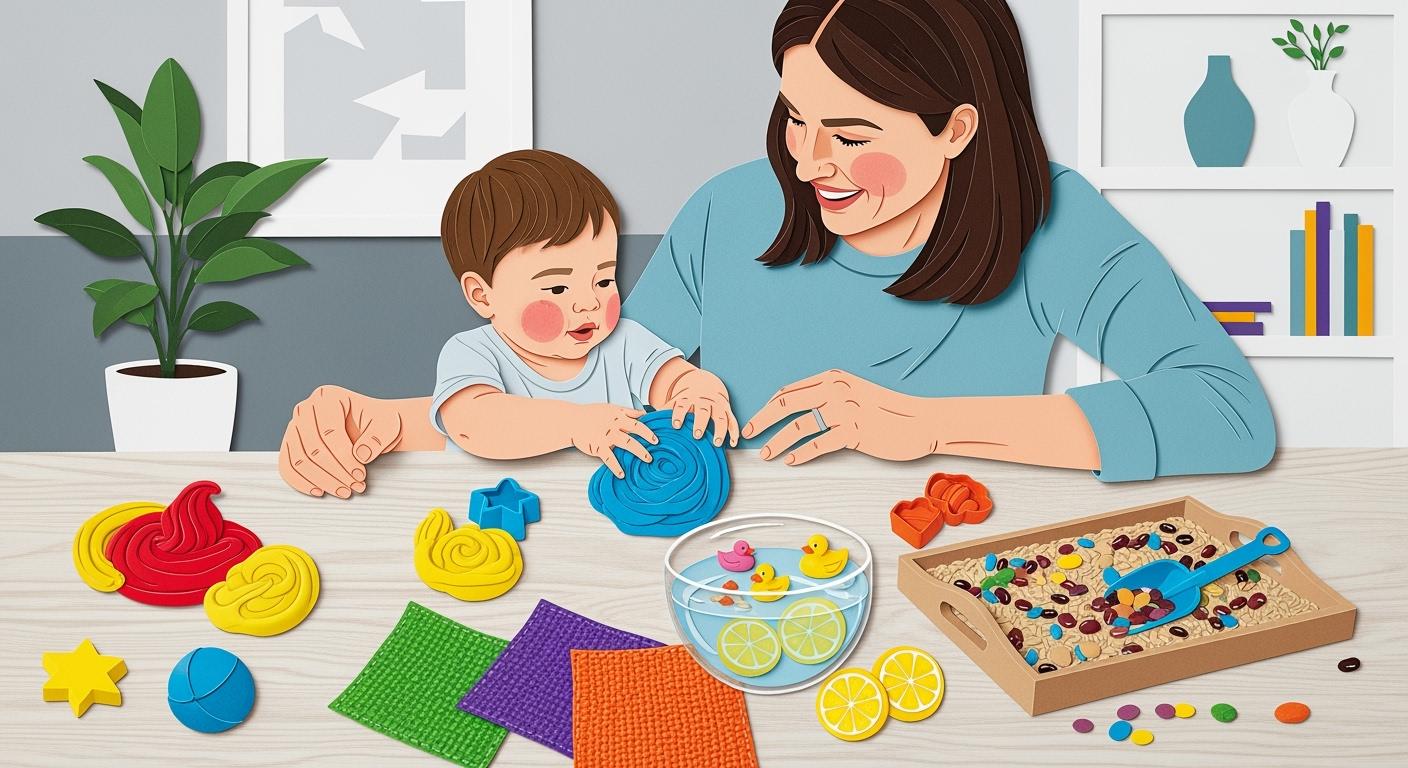
You do a lot each day, but incorporating fun sensory activities is easy to add. Sensory play makes you curious, helps your brain grow, and promotes a sense of calm. You can use clean, everyday items for touch activities or fun sensory activities. These activities include moving games, sorting colors, and looking at bright objects. Anyone can engage in these activities anywhere.
Sensory play helps you grow by making you feel calm, closer to others, and ready to explore. Try ideas for fun sensory activities and calming experiences to engage multiple senses. You can create a calm space or enjoy fun sensory activities outside. Touch activities, moving games, and helpful tips enhance your enjoyment of sensory play and its benefits for growth and learning.
Key Takeaways
Sensory play makes kids curious and helps them relax. You can use things from home to make fun activities. These activities use more than one sense.
You can do a sensory treasure hunt at home. Hide things and give clues to your child. This helps your child move and spend time with you.
Water play is a simple way to be creative. Use kitchen tools like measuring cups and funnels. This lets kids explore without making a mess.
Sensory Treasure Hunt
Description
You can turn any room into a fun adventure with a sensory treasure hunt. This activity lets you hide objects around your home and give clues to help your child find them. Sensory play becomes exciting when you use different textures, colors, and shapes. Your child touches, looks, and listens as they search. You spark curiosity and encourage movement. Sensory play helps your child focus and feel calm. You also get a chance to bond and laugh together.
Quick Setup Steps
You do not need fancy supplies for a sensory treasure hunt. You can use toys, kitchen tools, or even socks. Many parents use items they already own. You can grab cardboard boxes, toilet paper tubes, or small household objects. Here’s how you can set up quickly:
Pick five to ten objects with different textures or colors.
Hide each item in easy-to-reach spots.
Write simple clues or draw pictures for each object.
Give your child a basket to collect their treasures.
Cheer them on as they search.
Tip: Cheap indoor play options often cost nothing at all. You can use what you have and still create a fun sensory play experience.
Adaptation Tips
You can change the treasure hunt for any age. For younger kids, use big, soft objects and simple clues. For older children, add riddles or make the hiding spots trickier. You can play in one room or spread out in your home. If you want to try sensory activities outside, hide items in the yard or on a porch. Sensory play works in small spaces, too. You can always adjust the clues and objects to fit your child’s needs.
Water Play
Description
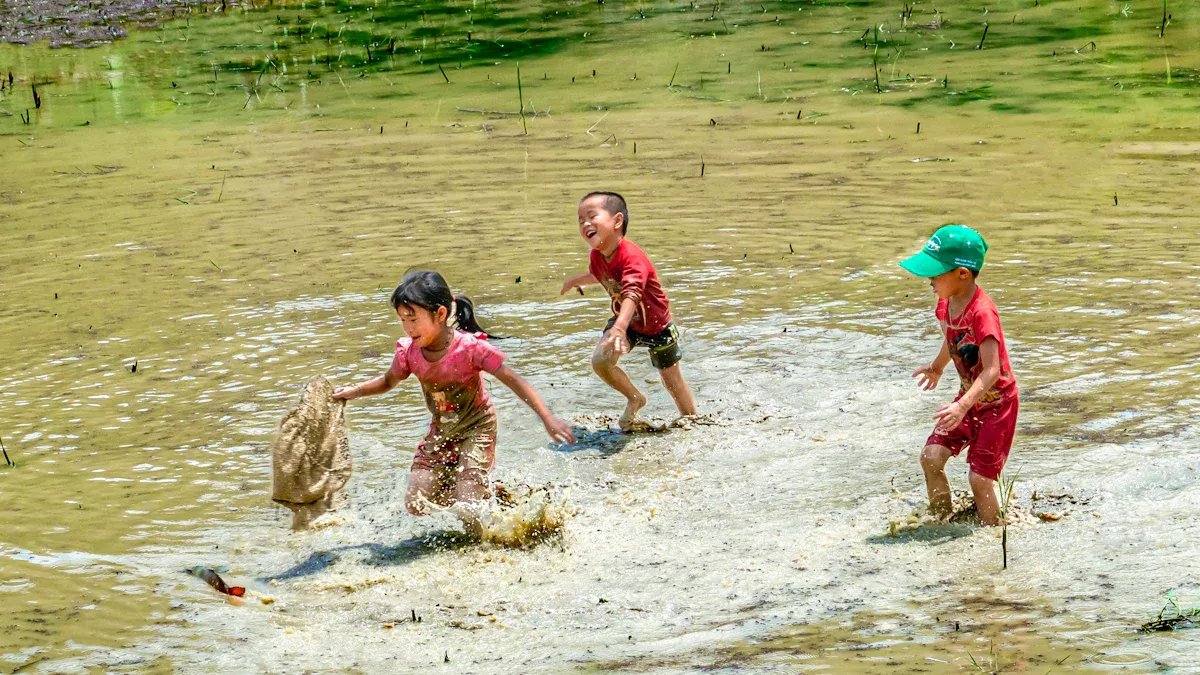
Water play brings instant excitement to your day. You can use water to spark curiosity and creativity. Kids love pouring, splashing, and watching water move. Sensory play with water helps children relax and focus. You can set up water play in the sink, bathtub, or outside. This activity works for all ages and fits into small spaces. You can use water to teach cause and effect, problem-solving, and even new words.
Fast Instructions
You do not need special supplies for water play. You can grab items from your kitchen or bathroom. Here are some favorites:
Funnels
Bath time toys
You can fill a bin or bucket with water. Add soap or sponges for extra fun. Give your child little cups or pitchers to pour and measure. Old toothbrushes work well for scrubbing toys or animals. You can use a water dispenser for self-serve play. Here’s a quick table to help you choose:
Household Item | Use in Water Play |
|---|---|
Soap | Cleaning toys or animals |
Sponges | Soaking and squeezing water |
Old toothbrush | Scrubbing and cleaning |
Little cups | Pouring and measuring water |
Pitchers | Transferring water |
Bins/Buckets | Containing water play activities |
Water dispenser | Self-serve water access |
Tip: You can set up sensory play in less than ten minutes. Cleanup is easy when you use a bin or keep water play in the tub.
Mess-Free Options
You might worry about spills or messes, especially in small apartments. Mess-free activities make water play simple. Try sealed sensory bags filled with hair gel and small objects. Discovery bottles with water and glitter keep everything contained. These options build hand muscles, expand vocabulary, and help kids calm down. You can enjoy sensory activities without worrying about cleanup or storage.
Texture Walk

Description
You can turn your hallway or living room into a mini adventure with a texture walk. This sensory play activity lets your child explore different surfaces using their bare feet or hands. You might notice how much kids love feeling soft, bumpy, or squishy things. Texture walks help children learn about the world through touch. You boost their curiosity and help them focus. Sensory play like this also encourages movement and balance. You can set up a texture walk in just a few minutes, and it works well in small spaces.
Simple Steps
Setting up a texture walk is quick and easy. You do not need special supplies. You can use items you already have at home. Try these steps:
Gather materials with different textures. Use towels, bubble wrap, pillows, or plastic lids.
Lay each item in a row on the floor. Make sure there is enough space for your child to walk or crawl.
Invite your child to step, hop, or crawl across each surface. Ask them how each texture feels.
Change the order or add new items to keep sensory play fresh and exciting.
Tip: You can make the walk more fun by adding a favorite song or turning it into a game.
Safety Tips
Safety matters when you set up sensory play at home. You want your child to explore without worry. Here are some important guidelines:
Remove sharp objects and hazards from the area. Add padded corners if needed.
Use battery-operated lights for extra fun. Cover outlets and secure cords to prevent accidents.
Choose non-toxic materials and hypoallergenic fabrics. Avoid small parts that could cause choking.
You can enjoy sensory play with peace of mind when you follow these simple tips.
Glitter Bottles
Description
You can make glitter bottles in just a few minutes. These bottles look magical and help your child relax. When you shake a glitter bottle, the swirling glitter grabs your attention. Watching the glitter settle feels calming. Many parents use glitter bottles for sensory play because they help children focus and feel peaceful. You can use them during quiet time or when your child feels anxious. Glitter bottles work as mindfulness tools. They show how your mind can slow down and become quiet. Sensory play with glitter bottles gives your child a way to manage big feelings.
Mindfulness techniques like breathing exercises and the glitter jar exercise teach children how to handle anxiety and improve social skills.
Easy Instructions
You can make a glitter bottle in five minutes. Follow these steps:
Find a clear plastic bottle. Make sure it is clean and dry.
Fill the bottle halfway with water.
Add glitter. You can use any color or type you like.
Put in a few drops of food coloring if you want a colorful effect.
Seal the bottle tightly with glue to prevent leaks.
Shake the bottle and watch the glitter swirl and settle.
Sensory play with glitter bottles works for all ages. You can use them at home, in the car, or even outside. Try making different bottles with various colors and glitter shapes for extra fun.
Quick Materials List
Here are the best materials for making glitter bottles, according to child development experts:
Clear plastic bottles (small or medium size)
Glitter (any color or type)
Water
Food coloring (optional)
Glue (for sealing the bottle)
You can find these items in your kitchen or craft drawer. Sensory play does not need fancy supplies. You can create a calming tool with things you already have.
Scented Dough
Description
You can make scented dough fast. It turns a regular day into a fun sensory activity. The dough feels soft and smells really good. You can use vanilla, lemon, or cinnamon for different smells. Kids like to squish, roll, and shape the dough. Scented dough lets your child feel and smell new things at the same time. You can talk about the colors and smells as you play together. This activity is good for all ages. It helps you and your child spend time together.
Tip: Use food extracts or spices you already have at home. You can make new scents each time you make dough.
Fast Recipe
You do not need special ingredients for scented dough. You can use things from your kitchen. Here is a quick recipe you can try:
Mix 1 cup flour, 1/2 cup salt, and 1 tablespoon oil in a bowl.
Add 1/2 cup water and a few drops of food coloring.
Put in a teaspoon of vanilla, lemon, or cinnamon for smell.
Knead the dough until it feels smooth and soft.
Keep the dough in a closed container after you play.
Your child can help mix and knead the dough. This makes sensory play even more fun.
Sensory Benefits
Scented dough helps your child learn and grow. Sensory play teaches how things work and how to solve problems. Scented dough helps build hand muscles and talking skills. It also helps kids play with others and learn to share. Here is a table that shows how scented dough helps your child:
Developmental Area | Benefit Description |
|---|---|
Fine Motor Skills | Playing with dough makes hands stronger and helps fingers move better. |
Cognitive Skills | Following steps and making shapes helps with planning and solving problems. |
Language Skills | Talking about textures, colors, and shapes helps kids learn new words. |
Social Skills | Playing with others teaches sharing and working together. |
Emotional Regulation | Squeezing and shaping dough can help kids feel calm and less stressed. |
Sensory Exploration | Feeling different textures and colors gives a rich sensory experience. |
You can use sensory play to teach new words and ask questions. This helps your child learn to talk about ideas. Playing with scented dough also helps kids share and work together.
Fun Sensory Activities with Sand
Dry Sand Play
You can create a mini beach at home with dry sand. Pour regular sand or kinetic sand into a shallow bin. Let your child dig, scoop, and build. Sensory play with dry sand feels soft and grainy. You can add spoons, cups, or small toys for extra fun. Kids love to bury treasures and make patterns. Dry sand encourages tactile exploration, which helps build fine motor skills and sparks imaginative play.
Sensory bins filled with sand invite your child to touch, squeeze, and shape.
You can use kinetic sand for less mess and easy cleanup.
Tip: Place a towel under the bin for quick cleanup.
Wet Sand Play
Wet sand brings a new texture to sensory play. Add a little water to your sand bin. Watch how the sand changes and sticks together. Your child can mold shapes, build castles, or make handprints. Wet sand feels cool and squishy. You can talk about how the sand moves and holds its shape. This activity helps your child learn about cause and effect.
Quick Fun Sensory Activities
You can set up sand activities in minutes. Try these ideas:
Hide small objects in the sand for a treasure hunt.
Draw pictures or letters with fingers or sticks.
Build simple sculptures or roads for toy cars.
Research shows that sensory play with sand boosts creativity and helps kids manage emotions. Here’s what studies found:
Study Year | Source | Findings |
|---|---|---|
2018 | Journal of Early Childhood Research | Sensory play, including sand play, enhances cognitive development by stimulating neural pathways associated with problem-solving and creativity. |
2021 | Child Development Perspectives | The calming texture of sand can soothe anxious children, acting as a natural stress-reliever. |
N/A | Precision Family Therapy | Engaging in play helps children manage their emotions and impulses, crucial for emotional self-regulation. |
You can use sensory play with sand to help your child relax, express themselves, and explore new ideas.
Sound Hunt
Description
You can make any time fun with a sound hunt. This activity helps your child listen to sounds around them. They might hear birds, a clock ticking, or water running. Sound hunts help kids use their ears and pay attention. When you play together, your child learns to listen better and gets curious. Sensory play with sounds also helps with language and feelings.
Ask, “What do you hear right now?” You might be amazed by how many sounds your child finds.
Quick Steps
A sound hunt is easy and fast to set up. You do not need any special things. Here is how to start:
Choose a place inside or outside.
Tell your child to close their eyes and listen for three sounds.
Write or draw each sound they notice.
Move to a new spot and look for more sounds.
Celebrate each new sound with a high five or silly dance.
You can make it a game to find more sounds. Try timing your child to see how many sounds they find in one minute.
Here is a table that shows how sound hunts help your child grow:
Study Title | Findings |
|---|---|
Auditory Discrimination | Special listening practice helps kids who have trouble reading. |
Language Comprehension and Auditory Discrimination in Kindergarten Children | Good listening skills help kids learn more words and understand sentences. |
Auditory Discrimination and Auditory Memory as Predictors of Academic Success | Listening and memory skills help with reading and math. |
A Longitudinal Study of Auditory Discrimination | Early listening skills help with language and reading later. |
The Importance of Auditory Discrimination in the Acquisition of Mental Lexicon | Better listening means bigger vocabularies and better reading. |
Auditory Discrimination and Socioeconomic Status as Correlates of Reading Achievement | Listening skills are important for reading well. |
Impact of Musical Training on Learning Strategies, Auditory Discrimination, and Working Memory in Adolescents | Music training helps listening and thinking skills. |
Indoor/Outdoor Variations
You can change sound hunts for any age or place. Sensory play works inside and outside. Here is a quick guide:
Age Group | Indoor Variations | Outdoor Variations |
|---|---|---|
Toddlers (2-4) | Use only picture clues, pick 4-5 easy spots | Stay in familiar places, hide treasures in easy spots |
School Age (5-8) | Add simple reading clues and easy puzzles | Add some physical challenges and mix easy and hard clues |
Tweens (9-12) | Use tricky riddles, math, or codes | Try nature hunts to practice looking and listening |
You can use sensory play to help your child find new sounds everywhere. Try a sound hunt in the kitchen, backyard, or on a walk. Every place gives your child new ways to learn and have fun.
Mess-Free Art
Description
You want art time without the mess. Mess-free art gives you a way to enjoy sensory play and creativity with little cleanup. You can use paint sticks, sticker sheets, or water-reveal pads. These activities let your child explore colors, shapes, and patterns. Sensory play with art helps your child express feelings and ideas. You see your child focus, relax, and share their creations. Mess-free art works for all ages and fits into small spaces.
You can use mess-free art to help your child calm down after a busy day. Sensory play with art lets kids show emotions and build confidence.
Fast Setup
You can set up mess-free art in minutes. Grab supplies from your craft drawer or kitchen. Try these quick ideas:
Use Kwik Stix paint sticks for bold colors without spills.
Peel and stick foam shapes to create pictures.
Try water-reveal coloring pads for magic effects.
Offer sticker sheets for easy collage making.
Here’s a table with a top pick from art therapists:
Product Name | Description |
|---|---|
Kwik Stix Mess Free Tempera Paint Sticks | Recommended for quick setup and ease of use in therapeutic settings. |
You can start sensory play right away. No need for water, brushes, or smocks.
Cleanup Tips
Cleanup is simple. You just put away the supplies and wipe the table. No paint stains or sticky glue. You can use a tray or placemat to catch scraps. Store art materials in a bin for next time. Sensory play with mess-free art means less stress for you and more fun for your child.
Here’s how mess-free art supports your child’s growth:
Evidence Type | Description |
|---|---|
Creating art engages multiple regions of the brain, supporting cognitive development and strengthening neural pathways for problem-solving and critical thinking. | |
Emotional Expression | Art provides a safe pathway for processing trauma, allowing children to express difficult experiences without needing words. |
Social Skills | In group settings, art therapy builds social skills as children share materials and collaborate on projects. |
Anxiety Management | Sensory-based art activities help children manage overwhelming feelings, providing tangible tools like worry dolls to externalize fears. |
You can use sensory play with art to help your child learn, relax, and connect with others.
Ice Cube Play
Description
Ice cube play brings a cool twist to sensory play. You can grab a handful of ice cubes from your freezer and turn them into a fun activity. Kids love the chilly feeling and slippery texture. When you let your child touch, stack, or slide ice cubes, you spark curiosity and laughter. Sensory play with ice cubes helps your child notice temperature changes and explore new sensations. You can watch your child experiment and learn while they play. This activity fits into any routine and works well in small spaces.
Try asking your child how the ice feels. You might hear words like cold, smooth, or wet.
Sensory play with ice cubes offers many benefits:
Children process new information through their senses, which helps them feel calm.
Experimenting with ice cubes encourages problem-solving and brain growth.
Pouring and stirring ice cubes improves hand-eye coordination and fine motor skills.
Simple Steps
You can set up ice cube play in minutes. Here’s how you do it:
Fill a bowl or tray with ice cubes.
Give your child spoons, cups, or tongs to move the ice around.
Let them stack, slide, or stir the cubes.
Ask questions about what happens as the ice melts.
Wipe up any water with a towel for easy cleanup.
Sensory play with ice cubes keeps your child busy and curious. You can use colored ice cubes for extra fun.
Add-On Ideas
Want to make ice cube play even more exciting? Try these creative ideas recommended by early childhood educators:
Ice cube painting lets your child use melting cubes to mix colors and watch them change.
Frozen sensory bins combine ice and snow textures with small toys for imaginative play.
Hide tiny treasures inside ice cubes and let your child discover them as the ice melts.
Sensory play with ice cubes can grow with your child. You can always add new tools or themes to keep things fresh.
Nature Tray
Description
You can bring nature inside with a nature tray. This activity lets your child look at leaves, twigs, rocks, and flowers at the table. Sensory play with a nature tray helps your child see colors, shapes, and textures. It makes them curious and teaches gentle touch. Kids like to sort, stack, and arrange natural things. You can talk together about what you see and feel. Nature trays are great for small spaces and make sensory play simple.
Nature trays help busy families enjoy sensory play. You can use things you find outside or collect items on a walk.
Here’s a table that shows why nature trays are good for small spaces:
Evidence Type | Description |
|---|---|
Versatility | Tuff trays can become many different sensory stations, so you can explore lots of things in a small space. |
Contained Space | They keep messy play in one spot, which is important for sensory activities. |
Encouragement of Creativity | Tuff trays help kids be creative and explore new ideas, making them great for sensory play. |
Quick Setup
It only takes a few minutes to set up a nature tray. Use a shallow tray, plate, or baking sheet. Gather natural things from your yard, park, or garden. Put them on the tray and let your child touch, smell, and arrange them. You can add spoons, magnifying glasses, or small cups for sorting. Sensory play with nature trays lets your child feel new textures and see patterns.
Collect leaves, pinecones, stones, and flower petals.
Group items or make patterns.
Ask your child what they notice.
Tip: Keep a small box by the door to collect nature treasures on walks.
Seasonal Adaptations
You can change your nature tray for each season. This keeps sensory play fun and new. Experts say to use different things during the year. Here’s a quick guide:
Season | Recommended Materials |
|---|---|
Spring | Fresh green leaves, flowers, and new growth |
Summer | Fresh flowers, grass, and green plants |
Autumn | Natural things for making nature people |
Winter | Evergreen pieces, bare twigs, and dried things |
You can talk about how each thing feels and smells. Sensory play with nature trays helps your child learn about the world and enjoy every season.
Even if you are busy, you can still do sensory play. Try fun sensory activities in the morning or at meals. You can also do them during bath time. Many parents like quick things such as kinetic sand or cloud dough. Musical shakers are also a favorite. These activities help you and your child be creative. You also get to spend more time together. Share your favorite fun sensory activities below!
Start your morning with sensory play
Explore new things at meal time
Go on outdoor sensory adventures
Make bath time extra fun
Create your own sensory bins
FAQ
How do you clean up after sensory play?
You can use a tray or towel to catch messes. Wipe surfaces with a damp cloth. Store materials in bins for next time.
Tip: Quick cleanup keeps play stress-free!
What if you don’t have special supplies?
You can use kitchen tools, socks, or old containers. Everyday items work great for sensory play.
🧦 Try socks for texture walks or spoons for sand play!
Can you do these activities with more than one child?
You can invite siblings or friends to join. Share materials and take turns. Sensory play helps kids learn teamwork and sharing.
Activity | Group Fun Idea |
|---|---|
Water Play | Race to fill cups |
Sand Play | Build together |
See Also
10 Clean Sensory Activities for Nurseries in 2025
10 Engaging Sensory Activities for Preschool Learning
Best Sensory Support Strategies: Heavy Work Activities for Kids
Creating Exciting Christmas Sensory Activities for School Kids
